Chapter 3 argued that the new covenant’s glory exceeds the old. Chapter 4 explains how that glory is actually carried — not in impressive vessels worthy of it, but in plain clay jars, cheap and disposable, so that whatever power shows through is unmistakably God’s own rather than the messenger’s. From that single image Paul builds one of his most quoted passages on suffering, mortality, and the eternal weight of glory that makes present affliction, however severe, look genuinely light by comparison.
A study in 2 Corinthians 4 · Arthur Baldwin · StandUp4Jesus.Org · 17 min read
The Light Of The Glorious Gospel Of Christ
“Therefore seeing we have this ministry, as we have received mercy, we faint not; But have renounced the hidden things of dishonesty, not walking in craftiness, nor handling the word of God deceitfully.”
2 Corinthians 4:1-2
“As we have received mercy” is Paul’s own answer to how he keeps from fainting under the weight of ministry — not personal stamina, but the constant memory of having been shown mercy himself. The same verse quietly rules out the manipulative tactics apparently used by rival teachers in Corinth: craftiness, dishonesty, deceitful handling of God’s word.
“But by manifestation of the truth commending ourselves to every man’s conscience in the sight of God. But if our gospel be hid, it is hid to them that are lost.”
2 Corinthians 4:2-3
Paul’s only strategy for commending himself is simply telling the truth plainly and letting it address the hearer’s own conscience directly — no rhetorical trick, no hidden agenda. If the message still fails to land with some hearers, verse 3 locates the reason elsewhere, not in any defect of the message itself.
“In whom the god of this world hath blinded the minds of them which believe not, lest the light of the glorious gospel of Christ, who is the image of God, should shine unto them.”
2 Corinthians 4:4
Paul names Satan directly as “the god of this world,” an active blinding agent rather than a passive absence of belief. Unbelief, on this reading, is not simply a neutral default state but a condition actively maintained against a light that would otherwise be plainly visible.
“For we preach not ourselves, but Christ Jesus the Lord; and ourselves your servants for Jesus’ sake. For God, who commanded the light to shine out of darkness, hath shined in our hearts, to give the light of the knowledge of the glory of God in the face of Jesus Christ.”
2 Corinthians 4:5-6
“‘We preach not ourselves,’ he declared in the later years of his experience, ‘but Christ Jesus the Lord; and ourselves your servants for Jesus’ sake. For God, who commanded the light to shine out of darkness, hath shined in our hearts, to give the light of the knowledge of the glory of God in the face of Jesus Christ.’”
Ellen G. White · The Acts of the Apostles, p. 208
Verse 6 deliberately echoes Genesis 1’s own first creative act — the same God who spoke physical light into existence out of primeval darkness is now credited with a second, inward creation, shining directly into the human heart. This study’s own source frames this as the settled testimony of Paul’s whole later ministry, not an isolated statement, tracing the same self-effacing preaching style all the way back through his years among the Galatians and beyond.
Treasure In Earthen Vessels
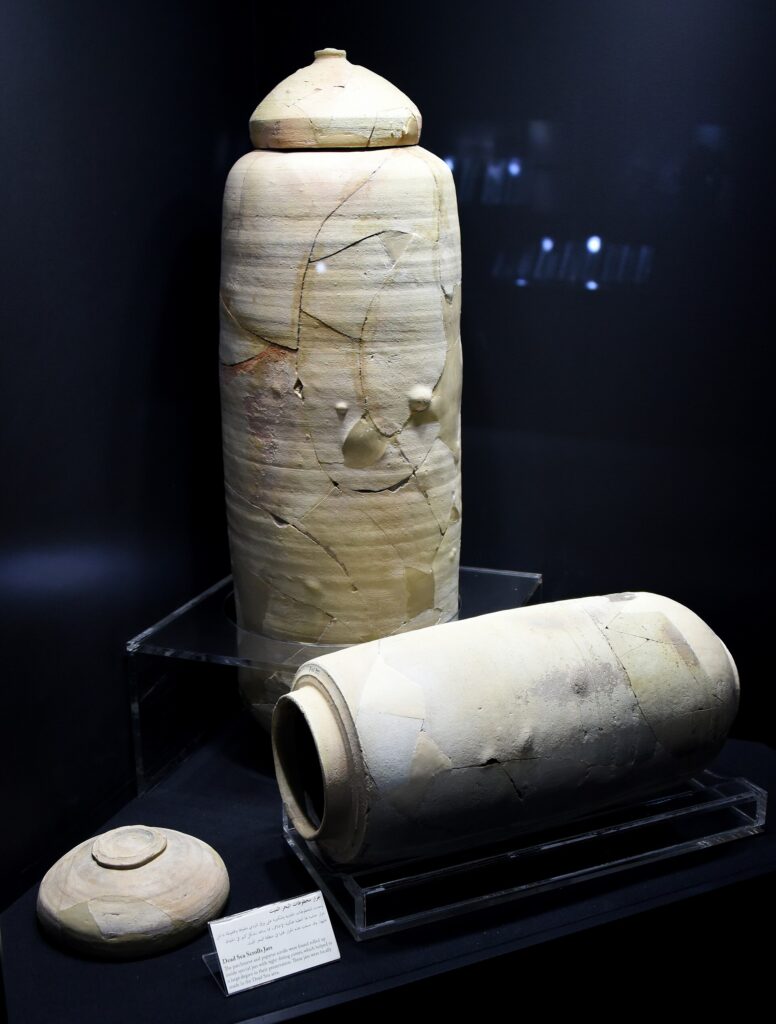
“But we have this treasure in earthen vessels, that the excellency of the power may be of God, and not of us.”
2 Corinthians 4:7
“‘We have this treasure in earthen vessels, that the exceeding greatness of the power may be of God, and not from ourselves.’ … This is why the preaching of the gospel was committed to erring men rather than to the angels. It is manifest that the power which works through the weakness of humanity is the power of God; and thus we are encouraged to believe that the power which can help others as weak as ourselves can help us.”
Ellen G. White · The Desire of Ages, p. 297
Common clay jars of Paul’s own day were cheap, easily broken, and utterly unremarkable — exactly the point of the comparison. This study’s own source draws out why God deliberately chose vessels this fragile for a treasure this valuable: an obviously ordinary, flawed messenger makes the power on display unmistakably God’s own, and it gives every struggling hearer a real, relatable reason to believe that the same power could work through them as well.
“We are troubled on every side, yet not distressed; we are perplexed, but not in despair; Persecuted, but not forsaken; cast down, but not destroyed.”
2 Corinthians 4:8-9
“Until his latest hour the life of Paul testified to the truth of his words to the Corinthians: … ‘We are troubled on every side, yet not distressed; we are perplexed, but not in despair; persecuted, but not forsaken; cast down, but not destroyed.’ … His sufficiency was not in himself, but in the presence and agency of the divine Spirit that filled his soul and brought every thought into subjection to the will of Christ.”
Ellen G. White · The Acts of the Apostles, p. 510
Four matched pairs, each one naming a real hardship and then a limit that hardship never crosses — troubled but not distressed, perplexed but not despairing, persecuted but not abandoned, struck down but not destroyed. This study’s own source treats these four lines as more than rhetoric, a description Paul’s actual life continued to prove true right up to his final hour, and traces the secret to the same source named throughout this chapter: a sufficiency located entirely outside himself.
“Always bearing about in the body the dying of the Lord Jesus, that the life also of Jesus might be made manifest in our body. For we which live are alway delivered unto death for Jesus’ sake, that the life also of Jesus might be made manifest in our mortal flesh.”
2 Corinthians 4:10-11
Paul describes his own repeated brushes with death as something almost sacramental — a visible re-enactment of Christ’s own dying, carried in his body specifically so that Christ’s own life can become equally visible alongside it. Suffering, on this reading, is not merely endured; it becomes the very stage on which resurrection life gets demonstrated.
“So then death worketh in us, but life in you.”
2 Corinthians 4:12
This single terse sentence summarizes the whole cost-benefit of Paul’s ministry from his own point of view — his own exposure to death is, quite literally, what has produced spiritual life in the very church he is writing to. He is not complaining about an unfair exchange; he is naming its actual mechanism.
The Inward Man Is Renewed Day By Day
“We having the same spirit of faith, according as it is written, I believed, and therefore have I spoken; we also believe, and therefore speak.”
2 Corinthians 4:13
Paul quotes a psalmist’s own confession of faith spoken in the middle of real distress, and claims it as the pattern for his own speech as well — not silence until circumstances improve, but belief that speaks precisely because it believes, regardless of present hardship.
“Knowing that he which raised up the Lord Jesus shall raise up us also by Jesus, and shall present us with you. For all things are for your sakes, that the abundant grace might through the thanksgiving of many redound to the glory of God.”
2 Corinthians 4:14-15
The resurrection, once again, is the anchor underneath Paul’s own endurance — the same power that raised Christ guarantees his own future resurrection, and every hardship endured along the way ultimately serves a purpose that reaches beyond Paul himself, multiplying thanksgiving and redounding “to the glory of God” through the many lives it touches.
“For which cause we faint not; but though our outward man perish, yet the inward man is renewed day by day.”
2 Corinthians 4:16
Paul openly admits physical decline — “our outward man perish” describes real, ongoing deterioration, not a temporary setback. But he pairs it with an inward renewal running on an entirely different timeline, refreshed “day by day” even as the body it inhabits continues wearing down.
A Far More Exceeding And Eternal Weight Of Glory
“For our light affliction, which is but for a moment, worketh for us a far more exceeding and eternal weight of glory.”
2 Corinthians 4:17
“Being convinced of their duty, they deliberately accept the cross, with the apostle Paul counting that ‘our light affliction, which is but for a moment, worketh for us a far more exceeding and eternal weight of glory;’ with one of old, ‘esteeming the reproach of Christ greater riches than the treasures in Egypt.’”
Ellen G. White · The Great Controversy, p. 460
Given everything chapter 4 has already catalogued — persecution, near-death experiences, physical decline — calling it “light” and “for a moment” is a genuinely bold reframing, possible only by comparison with something even larger on the other side of the scale. This study’s own source pairs Paul’s own perspective with Moses’s identical calculation in Hebrews, naming the same weighing of present cost against future reward as the true mark of anyone who “deliberately” accepts a costly cross rather than waiting for it to become convenient.
“While we look not at the things which are seen, but at the things which are not seen: for the things which are seen are temporal; but the things which are not seen are eternal.”
2 Corinthians 4:18
The chapter’s closing verse names the actual discipline behind everything Paul has just described — not a special immunity to suffering, but a deliberately trained focus, kept fixed on the unseen and eternal rather than the seen and temporary. The clay jar may crack, the outward man may perish, but the treasure it carries and the glory it is producing belong to a category time cannot touch.
