Hebrews 5 begins to explain what makes a true high priest, and shows that Jesus meets every qualification. He did not appoint Himself; God called Him, “a priest for ever after the order of Melchisedec.” And He was prepared for the work in the hardest school there is. In Gethsemane He prayed “with strong crying and tears,” and “though he were a Son, yet learned he obedience by the things which he suffered.” The chapter ends with a rebuke that still stings: believers who ought to be teachers still need milk.
A study in Hebrews 5 · Arthur Baldwin · StandUp4Jesus.Org · 14 min read
Taken From Among Men
“For every high priest taken from among men is ordained for men in things pertaining to God, that he may offer both gifts and sacrifices for sins: Who can have compassion on the ignorant, and on them that are out of the way; for that he himself also is compassed with infirmity. And by reason hereof he ought, as for the people, so also for himself, to offer for sins.”
Hebrews 5:1-3
Chapter 4 ended by inviting us to our great High Priest. Now the writer explains what a high priest is. He is “taken from among men”: a real human being who can represent other human beings. He is “ordained for men in things pertaining to God,” standing between the people and God. And he is there so “that he may offer both gifts and sacrifices for sins.”
A good high priest must also have “compassion on the ignorant, and on them that are out of the way.” The phrase means he can deal gently with those who sin through ignorance or who wander off the path. He can do this because “he himself also is compassed with infirmity.” He knows his own weakness.
That principle is still true for everyone who helps others toward God:
“And those who are themselves ‘compassed with infirmity’ should be able to ‘have compassion on the ignorant, and on them that are out of the way.’ Hebrews 5:2. Having been in peril themselves, they are acquainted with the dangers and difficulties of the way, and for this reason are called to reach out for others in like peril.”
Ellen G. White · The Desire of Ages, p. 297
But notice the difference between Aaron and Christ. Aaron had to offer sacrifices “for himself” as well as for the people, because he too was a sinner (Leviticus 16:6). Jesus shares our weakness but not our sin. He was “tempted like as we are, yet without sin” (4:15). He needs no sacrifice for Himself.
Called Of God, As Was Aaron
“And no man taketh this honour unto himself, but he that is called of God, as was Aaron. So also Christ glorified not himself to be made an high priest; but he that said unto him, Thou art my Son, to day have I begotten thee. As he saith also in another place, Thou art a priest for ever after the order of Melchisedec.”
Hebrews 5:4-6
The second qualification is a divine call. No one could make himself high priest. When Korah and his followers tried to seize the priesthood, the earth swallowed them (Numbers 16), and when King Uzziah forced his way into the temple to burn incense, he was struck with leprosy (2 Chronicles 26:16-21).
Jesus did not grasp at the office either. “Christ glorified not himself to be made an high priest.” He was appointed by the Father, who speaks to Him in two psalms. Psalm 2:7, “Thou art my Son,” establishes who He is. Psalm 110:4, “Thou art a priest for ever after the order of Melchisedec,” establishes what He does. The Son is also the eternal Priest.
Melchisedec was the king-priest of Salem who blessed Abraham (Genesis 14:18-20). He came before Aaron and belonged to a different order of priesthood altogether. The writer mentions him here, and then says there is much more to tell (verse 11). He will return to Melchisedec in chapter 7.
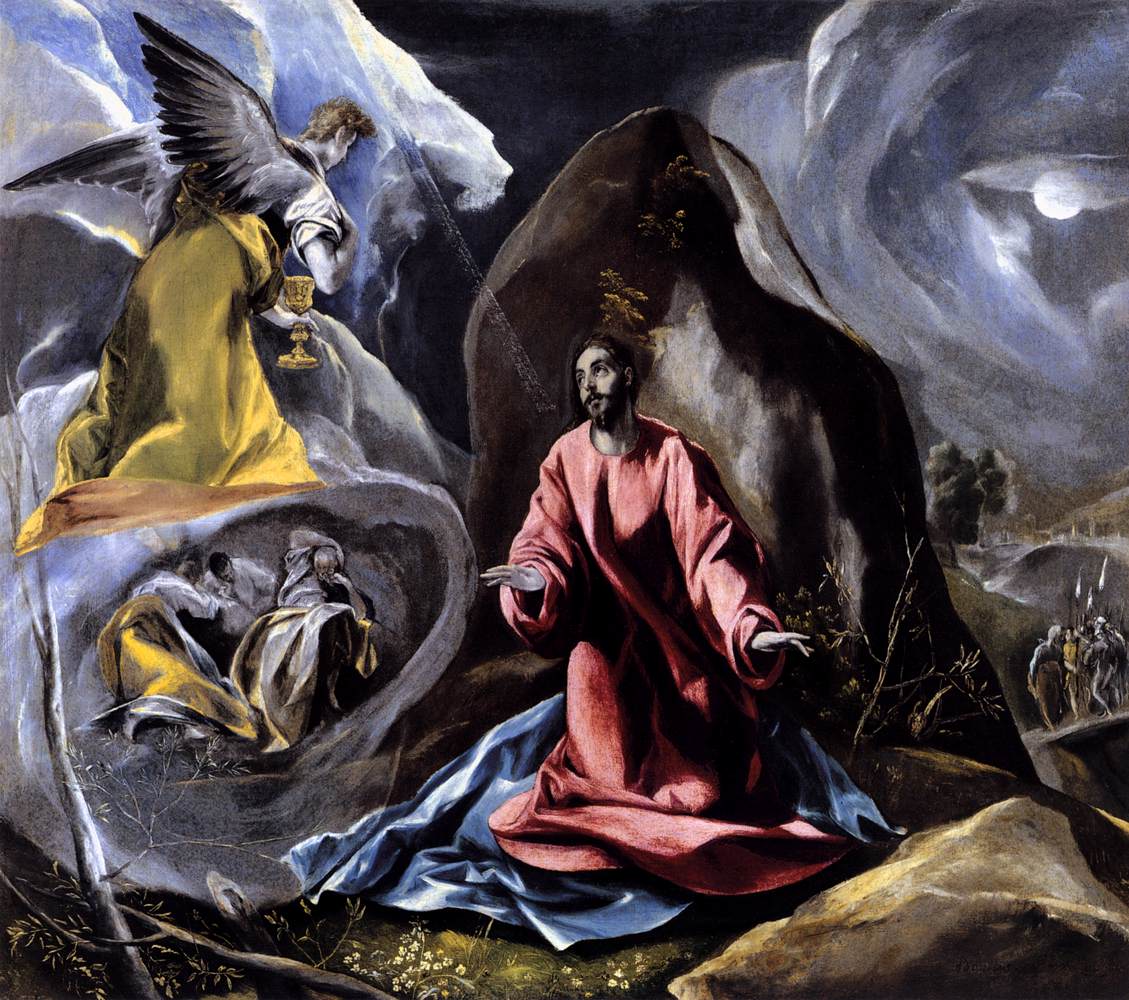
With Strong Crying And Tears
“Who in the days of his flesh, when he had offered up prayers and supplications with strong crying and tears unto him that was able to save him from death, and was heard in that he feared; Though he were a Son, yet learned he obedience by the things which he suffered;”
Hebrews 5:7-8
“In the days of his flesh” — during His life as a man on earth. The words point above all to Gethsemane. There Jesus fell on His face and prayed, “O my Father, if it be possible, let this cup pass from me: nevertheless not as I will, but as thou wilt” (Matthew 26:39). His sweat was “as it were great drops of blood” (Luke 22:44).
“The awful moment had come—that moment which was to decide the destiny of the world. The fate of humanity trembled in the balance. Christ might even now refuse to drink the cup apportioned to guilty man. It was not yet too late. He might wipe the bloody sweat from His brow, and leave man to perish in his iniquity.”
Ellen G. White · The Desire of Ages, p. 690
“And was heard in that he feared.” The word means godly reverence, a holy fear of God. The Father heard Him. Not by taking the cup away, but by strengthening Him to drink it (Luke 22:43), and ultimately by raising Him from death.
“Though he were a Son, yet learned he obedience by the things which he suffered.” This does not mean He was ever disobedient. It means He learned what obedience costs by experiencing it. As God, He had always commanded; as man, He learned by experience what it is to obey when obedience means pain. Gethsemane was not the only time He prayed like this. His whole life was one of earnest prayer:
“Through weary days He toiled, and through long nights He bent in prayer for grace and endurance that He might do a larger work. With strong crying and tears He sent His petitions to heaven, that His human nature might be strengthened, that He might be braced to meet the wily foe in all his deceptive workings, and fortified to fulfill His mission of uplifting humanity.”
Ellen G. White · The Ministry of Healing, p. 500
The Author Of Eternal Salvation
“And being made perfect, he became the author of eternal salvation unto all them that obey him; Called of God an high priest after the order of Melchisedec.”
Hebrews 5:9-10
“Being made perfect” means being made complete, fully qualified for His work, as in 2:10. Having gone through suffering to the end, Jesus “became the author of eternal salvation” — its source and cause. Aaron’s priesthood could offer only temporary cleansing, year after year. Christ’s gives “eternal salvation.”
And notice for whom: “unto all them that obey him.” Jesus learned obedience (verse 8); those He saves learn it too. Obedience does not earn salvation. But the people who truly trust Christ follow Him. Faith and obedience go together all through Hebrews, just as unbelief and disobedience went together in the wilderness (3:18-19).
Milk, And Not Strong Meat
“Of whom we have many things to say, and hard to be uttered, seeing ye are dull of hearing. For when for the time ye ought to be teachers, ye have need that one teach you again which be the first principles of the oracles of God; and are become such as have need of milk, and not of strong meat. For every one that useth milk is unskilful in the word of righteousness: for he is a babe. But strong meat belongeth to them that are of full age, even those who by reason of use have their senses exercised to discern both good and evil.”
Hebrews 5:11-14
The writer wants to explain Melchisedec’s priesthood, but he stops. The subject is not too hard in itself; the problem is the hearers. They have become “dull of hearing” — sluggish, lazy in listening.
They had been believers long enough to be teaching others. Instead, they needed someone to teach them the ABCs again. They were still on “milk,” the first simple truths, when they should have been eating “strong meat,” the deeper truths of Christ’s priesthood.
What makes the difference? Not age, not intelligence, but practice: “by reason of use have their senses exercised to discern both good and evil.” Spiritual maturity comes from using what we already know. The believer who puts God’s word into practice, day after day, grows able to tell right from wrong and truth from error. The one who only listens stays a baby.
That warning is aimed at us too. The subject Hebrews is about to explain — Christ’s ministry as our High Priest in the heavenly sanctuary — is “strong meat.” It is not for the curious or the careless. But it is for every believer who is willing to grow. And the One we will study is the same Jesus who prayed with strong crying and tears in Gethsemane, and who became, through His suffering, the author of eternal salvation.