Chapter 1 told Peter’s readers what God has done for them. Chapter 2 tells them who they are. They are “lively stones,” being built into a spiritual temple around Christ the living cornerstone. They are “a chosen generation, a royal priesthood, an holy nation, a peculiar people.” And because of who they are, they live differently: as strangers and pilgrims, honest among unbelievers, respectful to authorities, patient under injustice, following in the steps of Christ, who suffered for us, “leaving us an example.”
A study in 1 Peter 2 · Arthur Baldwin · StandUp4Jesus.Org · 19 min read
As Newborn Babes
“Wherefore laying aside all malice, and all guile, and hypocrisies, and envies, and all evil speakings, As newborn babes, desire the sincere milk of the word, that ye may grow thereby: If so be ye have tasted that the Lord is gracious.”
1 Peter 2:1-3
“Wherefore.” Chapter 1 ended with the new birth by the word of God. Newborns need two things: to stop what harms them and to take in what feeds them. So first, lay aside the sins that poison love — malice, deceit, hypocrisy, envy, slander. Then, “as newborn babes, desire the sincere milk of the word.” A healthy baby does not need to be persuaded to want milk. It cries for it. A healthy Christian hungers for God’s word the same way, and grows by it.
Lively Stones And A Chief Corner Stone
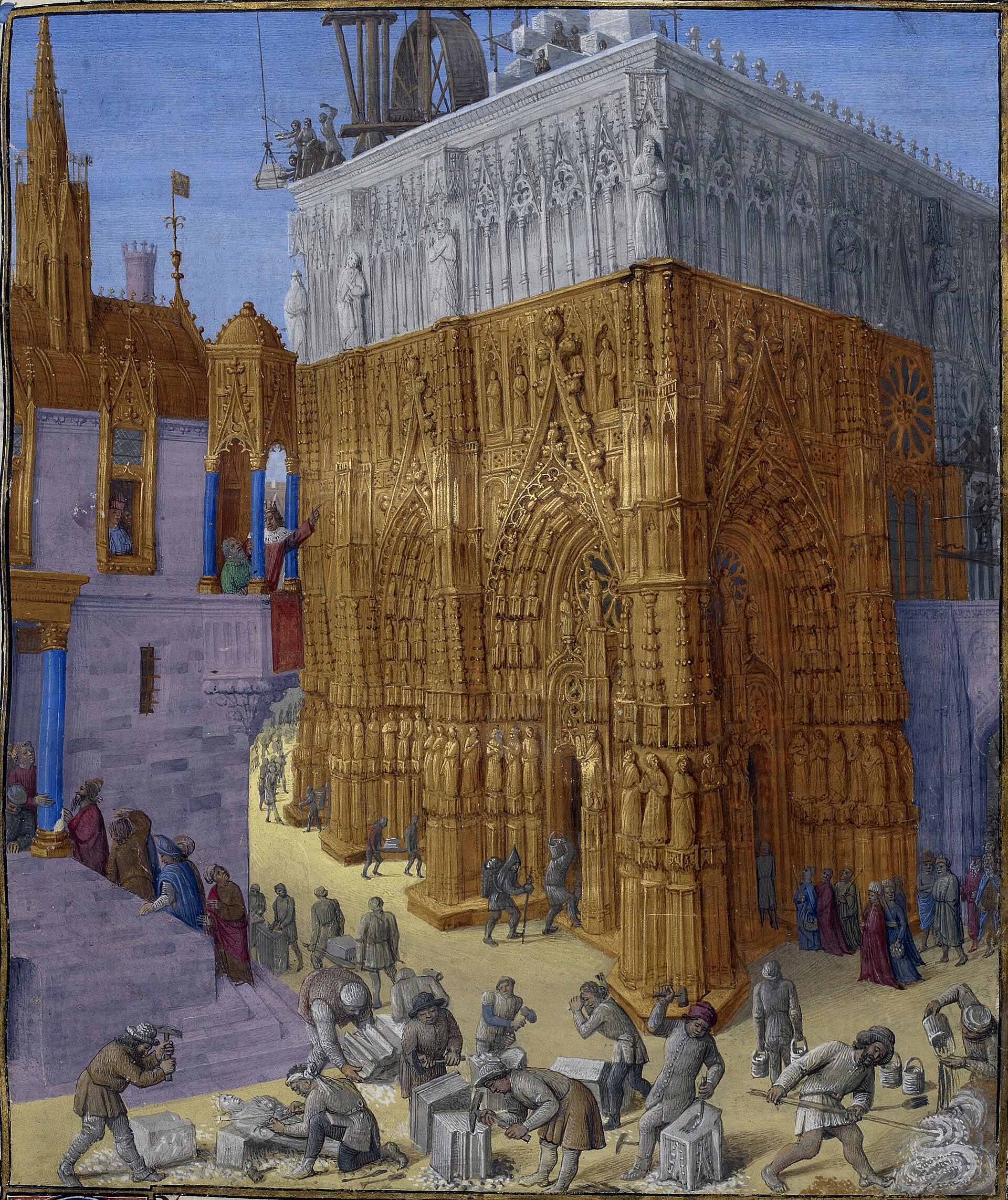
“To whom coming, as unto a living stone, disallowed indeed of men, but chosen of God, and precious, Ye also, as lively stones, are built up a spiritual house, an holy priesthood, to offer up spiritual sacrifices, acceptable to God by Jesus Christ. Wherefore also it is contained in the scripture, Behold, I lay in Sion a chief corner stone, elect, precious: and he that believeth on him shall not be confounded. Unto you therefore which believe he is precious: but unto them which be disobedient, the stone which the builders disallowed, the same is made the head of the corner, And a stone of stumbling, and a rock of offence, even to them which stumble at the word, being disobedient: whereunto also they were appointed.”
1 Peter 2:4-8
Peter, whose name means “rock,” does not claim to be the foundation of the church. He points to Christ: “a living stone.” Jesus was “disallowed indeed of men” — rejected by the religious builders of His day — “but chosen of God, and precious.” Peter quotes three Old Testament “stone” passages: Isaiah 28:16 (the chief cornerstone laid in Zion), Psalm 118:22 (the rejected stone made head of the corner), and Isaiah 8:14 (the stone of stumbling).
“Peter himself, writing by inspiration, applies this prophecy to Jesus. He says, ‘If ye have tasted that the Lord is gracious: unto whom coming, a living stone, rejected indeed of men, but with God elect, precious, ye also, as living stones, are built up a spiritual house.’ 1 Peter 2:3-5, R. V. ‘Other foundation can no man lay than that is laid, which is Jesus Christ.’ 1 Corinthians 3:11.”
Ellen G. White · The Desire of Ages, p. 413
And we “also, as lively stones, are built up a spiritual house.” Every believer is a living stone, shaped and fitted by the divine Builder into His temple. Solomon’s temple was built of stones cut and prepared at the quarry, so that “there was neither hammer nor axe nor any tool of iron heard in the house, while it was in building” (1 Kings 6:7). God does His shaping work in us now, through trial and grace, so that each of us fits perfectly into His finished temple.
The same stone produces two opposite results. To those who believe, He is “precious,” the sure foundation. To those who refuse Him, He becomes “a stone of stumbling, and a rock of offence.”
“To those who believe, Christ is the sure foundation. These are they who fall upon the Rock and are broken. Submission to Christ and faith in Him are here represented.”
Ellen G. White · The Desire of Ages, p. 599
A Royal Priesthood
“But ye are a chosen generation, a royal priesthood, an holy nation, a peculiar people; that ye should shew forth the praises of him who hath called you out of darkness into his marvellous light: Which in time past were not a people, but are now the people of God: which had not obtained mercy, but now have obtained mercy.”
1 Peter 2:9-10
These titles once belonged to Israel at Sinai: “ye shall be unto me a kingdom of priests, and an holy nation” (Exodus 19:6). Peter gives them to every believer in Christ, Jew and Gentile alike. “Which in time past were not a people, but are now the people of God” (Hosea 2:23).
Notice the words in verses 5 and 9: “an holy priesthood” and “a royal priesthood.” Under the law of Moses, priesthood and kingship were kept apart. Priests came from the tribe of Levi, kings from Judah, and when King Uzziah tried to burn incense in the temple, he was struck with leprosy (2 Chronicles 26:16-21). In the Old Testament only one figure was both king and priest: Melchisedec, “king of Salem, priest of the most high God” (Hebrews 7:1). And Jesus is “a priest for ever after the order of Melchisedec” (Hebrews 7:17).
So a “royal priesthood” — kings and priests together — is the Melchisedec order, not Aaron’s. Aaron’s priesthood was limited to one family of one tribe, and only its men could serve. This priesthood belongs to every believer. Every Christian, man or woman, young or old, of any nation, is called to be a member of the Melchisedec order with Jesus Christ, our great High Priest. John says it too: Christ “hath made us kings and priests unto God and his Father” (Revelation 1:6).
What do these priests do? They “offer up spiritual sacrifices, acceptable to God by Jesus Christ”: praise, thanksgiving, obedience, lives given in service (Hebrews 13:15-16; Romans 12:1). And they “shew forth the praises of him who hath called you out of darkness into his marvellous light.” A priest stands between God and people. Every believer represents God to the people around him, and brings those people to God in prayer.
That calling carries a responsibility. Israel’s priests were to be holy and clear-minded in everything, and the same is true for the royal priesthood.
“The same obligation rests upon every follower of Christ. The apostle Peter declares, ‘Ye are a chosen generation, a royal priesthood, an holy nation, a peculiar people.’ 1 Peter 2:9. We are required by God to preserve every power in the best possible condition, that we may render acceptable service to our Creator.”
Ellen G. White · Patriarchs and Prophets, p. 362
This passage is the heart of this site’s song Melchizedek Kings And Priests, which sets 1 Peter 2:1-10 to music. Its chorus puts the whole calling in four lines:
You’re a chosen generation,
The peculiar people of God,
Brought into His marvelous light,
To be Kings and Priests for your King!
For a fuller study of the Melchisedec order and why it matters to every believer, see this site’s Melchizedek Message.
As Strangers And Pilgrims
“Dearly beloved, I beseech you as strangers and pilgrims, abstain from fleshly lusts, which war against the soul; Having your conversation honest among the Gentiles: that, whereas they speak against you as evildoers, they may by your good works, which they shall behold, glorify God in the day of visitation. Submit yourselves to every ordinance of man for the Lord’s sake: whether it be to the king, as supreme; Or unto governors, as unto them that are sent by him for the punishment of evildoers, and for the praise of them that do well. For so is the will of God, that with well doing ye may put to silence the ignorance of foolish men: As free, and not using your liberty for a cloke of maliciousness, but as the servants of God. Honour all men. Love the brotherhood. Fear God. Honour the king.”
1 Peter 2:11-17
Royal priests are also “strangers and pilgrims.” This world is not our home, so we must not live by its desires, the “fleshly lusts, which war against the soul.” And since unbelievers were slandering the Christians “as evildoers,” the best answer was a blameless life. Good works silence false accusations better than arguments do.
That includes being good citizens. “Submit yourselves to every ordinance of man for the Lord’s sake.” Peter wrote this under Nero. Christians were to obey the law, pay taxes and respect rulers, not because rulers are always right, but “for the Lord’s sake.” Peter himself knew the limit, though: when the authorities forbade him to preach Christ, he answered, “We ought to obey God rather than men” (Acts 5:29).
Verse 17 sums up a Christian’s relationships in four short commands: “Honour all men. Love the brotherhood. Fear God. Honour the king.” Respect for everyone, love for fellow believers, reverence for God, and honour for those in authority.
Leaving Us An Example
“Servants, be subject to your masters with all fear; not only to the good and gentle, but also to the froward. For this is thankworthy, if a man for conscience toward God endure grief, suffering wrongfully. For what glory is it, if, when ye be buffeted for your faults, ye shall take it patiently? but if, when ye do well, and suffer for it, ye take it patiently, this is acceptable with God. For even hereunto were ye called: because Christ also suffered for us, leaving us an example, that ye should follow his steps: Who did no sin, neither was guile found in his mouth: Who, when he was reviled, reviled not again; when he suffered, he threatened not; but committed himself to him that judgeth righteously: Who his own self bare our sins in his own body on the tree, that we, being dead to sins, should live unto righteousness: by whose stripes ye were healed. For ye were as sheep going astray; but are now returned unto the Shepherd and Bishop of your souls.”
1 Peter 2:18-25
Many early Christians were household slaves, and some had harsh masters (“froward” means crooked, unjust). Peter’s counsel is hard: endure unjust suffering patiently, “for conscience toward God.” There is no credit in taking punishment you deserve. But suffering for doing right, and bearing it patiently, “is acceptable with God.”
Why? Because that is exactly what Jesus did. “Christ also suffered for us, leaving us an example.” The word means a pattern for copying, like the letters a teacher writes at the top of a page for a child to trace. And Peter had seen it with his own eyes. At the trial, “when he was reviled, reviled not again; when he suffered, he threatened not.” Jesus did not return insult for insult. He “committed himself to him that judgeth righteously.”
“‘He that saith he abideth in Him ought himself also so to walk even as He walked.’ 1 John 2:3-6. ‘Because Christ also suffered for us, leaving us an example, that ye should follow His steps.’ 1 Peter 2:21.”
Ellen G. White · Steps to Christ, p. 61
But Christ is more than our example. He is our Substitute: “Who his own self bare our sins in his own body on the tree.” And His purpose is transformation: “that we, being dead to sins, should live unto righteousness.” Peter quotes Isaiah 53, the great chapter of the suffering Servant: “by whose stripes ye were healed.”
“For ye were as sheep going astray; but are now returned unto the Shepherd and Bishop of your souls.” Peter had heard Jesus say, “Feed my sheep” (John 21:17). Now he points his readers to the true Shepherd, the “Bishop” — overseer — who watches over every soul. The living stones, the royal priests, the strangers and pilgrims are all, in the end, sheep brought home by the Shepherd who laid down His life for them.