In Ecclesiastes 4 Solomon turns from his own life to the lives around him. He sees “the tears of such as were oppressed,” and no one to comfort them. He sees work driven by envy, and the lonely man who toils without end and never asks, “For whom do I labour?” Against that loneliness he sets one of the Bible’s warmest pictures of companionship: “Two are better than one… and a threefold cord is not quickly broken.” And he ends with a sober lesson about power: “Better is a poor and a wise child than an old and foolish king, who will no more be admonished.”
A study in Ecclesiastes 4 · Arthur Baldwin · StandUp4Jesus.Org · 12 min read
They Had No Comforter
“So I returned, and considered all the oppressions that are done under the sun: and behold the tears of such as were oppressed, and they had no comforter; and on the side of their oppressors there was power; but they had no comforter. Wherefore I praised the dead which are already dead more than the living which are yet alive. Yea, better is he than both they, which hath not yet been, who hath not seen the evil work that is done under the sun.”
Ecclesiastes 4:1-3
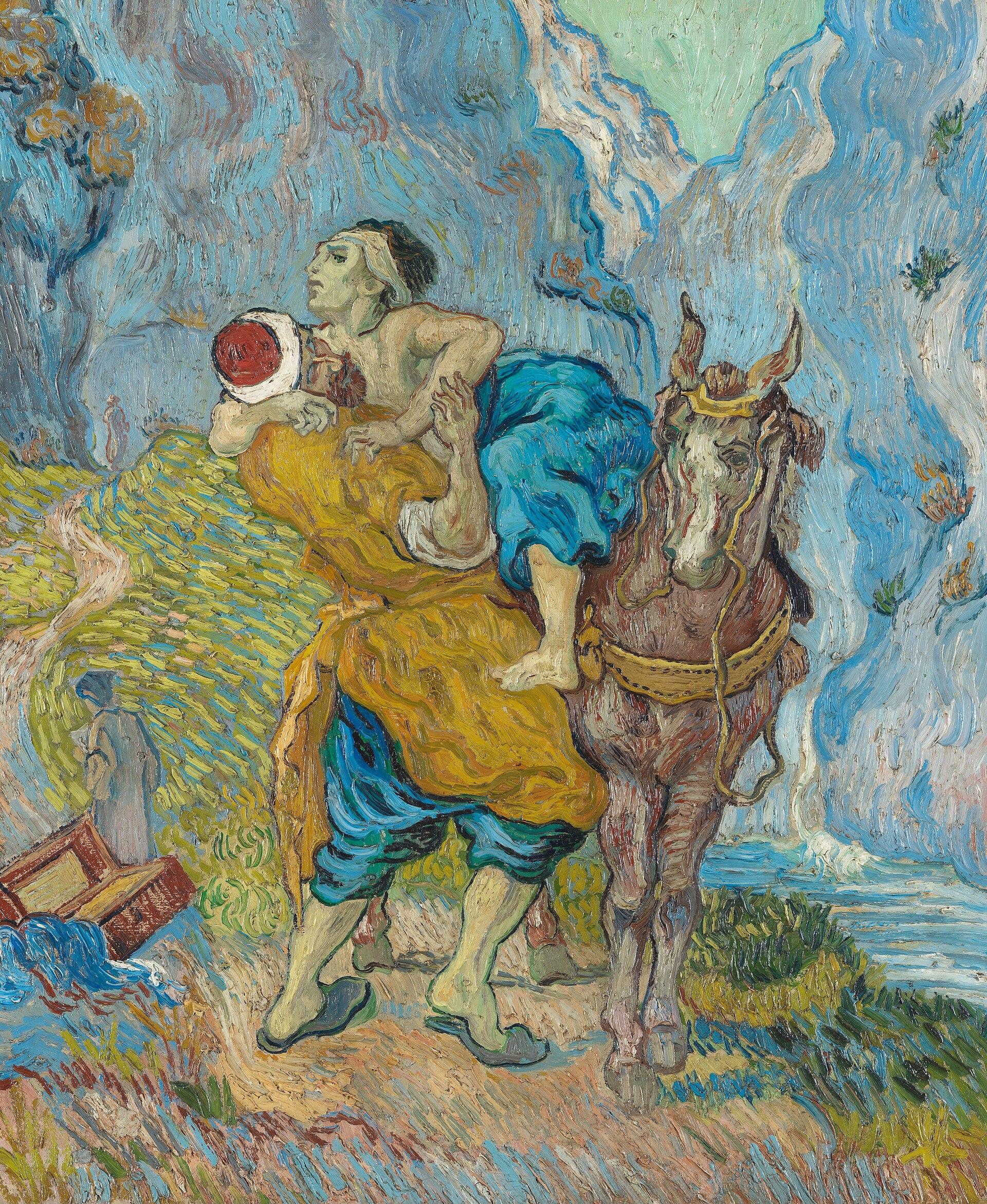
Solomon looked at the world and saw oppression everywhere: the powerful crushing the weak. Twice he says it: “they had no comforter.” The tears were real, and no one wiped them away. There is a painful honesty here. Solomon’s own heavy taxes and forced labour had helped create the very burden that his people would later beg his son to lighten (1 Kings 12:4).
So great was the suffering that Solomon “praised the dead,” and thought the unborn better off still. This is the voice of despair “under the sun,” and the Bible records it honestly. Job and Jeremiah spoke the same way in their darkest hours (Job 3:11; Jeremiah 20:14-18). God does not silence these cries. He answers them.
And His answer is a Person. The oppressed who “had no comforter” were promised One. “The Spirit of the Lord God is upon me,” Isaiah wrote of the Messiah, “to bind up the brokenhearted… to comfort all that mourn” (Isaiah 61:1-2). Jesus read those words in Nazareth and said, “This day is this scripture fulfilled in your ears” (Luke 4:21). And before He left, He promised His followers “another Comforter,” the Holy Spirit (John 14:16). One day God Himself “shall wipe away all tears from their eyes” (Revelation 21:4).
Better Is An Handful With Quietness
“Again, I considered all travail, and every right work, that for this a man is envied of his neighbour. This is also vanity and vexation of spirit. The fool foldeth his hands together, and eateth his own flesh. Better is an handful with quietness, than both the hands full with travail and vexation of spirit.”
Ecclesiastes 4:4-6
Solomon now looks at why people work so hard, and he finds an ugly answer: rivalry. “Every right work… for this a man is envied of his neighbour.” Much of human striving is driven by the wish to outdo others, or by resentment at being outdone. Envy keeps the whole world running on a treadmill.
“Envy is the offspring of pride, and if it is entertained in the heart, it will lead to hatred, and eventually to revenge and murder.”
Ellen G. White · Patriarchs and Prophets, p. 651
But the answer is not to quit working. “The fool foldeth his hands together, and eateth his own flesh.” Laziness destroys the lazy. Solomon’s proverbs say the same (Proverbs 6:10-11). Between the envious workaholic and the idle fool lies a better way: “Better is an handful with quietness, than both the hands full with travail and vexation of spirit.” One handful, enjoyed in peace, is worth more than two fistfuls grabbed in anxiety. That is contentment, the lesson Paul later learned: “godliness with contentment is great gain” (1 Timothy 6:6).
Two Are Better Than One
“Then I returned, and I saw vanity under the sun. There is one alone, and there is not a second; yea, he hath neither child nor brother: yet is there no end of all his labour; neither is his eye satisfied with riches; neither saith he, For whom do I labour, and bereave my soul of good? This is also vanity, yea, it is a sore travail. Two are better than one; because they have a good reward for their labour. For if they fall, the one will lift up his fellow: but woe to him that is alone when he falleth; for he hath not another to help him up. Again, if two lie together, then they have heat: but how can one be warm alone? And if one prevail against him, two shall withstand him; and a threefold cord is not quickly broken.”
Ecclesiastes 4:7-12
Here is a sad portrait: a man “alone,” with “neither child nor brother,” who never stops working and never has enough. He never pauses to ask the obvious question: “For whom do I labour, and bereave my soul of good?” He sacrifices every joy, every friendship, every rest for money he will never enjoy and has no one to leave to.
Against that, Solomon sets the blessing of companionship, in four pictures. Two working together get “a good reward.” When one falls, “the one will lift up his fellow”; the one who is alone has no one to help him up. Two on a cold night keep each other warm. And two can stand against an attacker who would overpower one.
God did not design us to live alone. “It is not good that the man should be alone,” He said in Eden (Genesis 2:18). And Jesus never sent His messengers out alone.
“Calling the twelve about Him, Jesus bade them go out two and two through the towns and villages. None were sent forth alone, but brother was associated with brother, friend with friend. Thus they could help and encourage each other, counseling and praying together, each one’s strength supplementing the other’s weakness.”
Ellen G. White · The Desire of Ages, p. 350
Then comes a surprising last line: “a threefold cord is not quickly broken.” Solomon has been talking about two, and suddenly there are three. A rope of three strands is far stronger than two. Christians have long seen in it a picture of a marriage or a friendship with God at its centre: two people bound together, and God as the third strand holding them both. A bond with Him woven through it is not easily broken.
An Old And Foolish King
“Better is a poor and a wise child than an old and foolish king, who will no more be admonished. For out of prison he cometh to reign; whereas also he that is born in his kingdom becometh poor. I considered all the living which walk under the sun, with the second child that shall stand up in his stead. There is no end of all the people, even of all that have been before them: they also that come after shall not rejoice in him. Surely this also is vanity and vexation of spirit.”
Ecclesiastes 4:13-16
“Better is a poor and a wise child than an old and foolish king, who will no more be admonished.” The tragedy of the old king is not his age but his closed ears. He will not be warned. A poor young man who is teachable is better off than a king who has stopped listening.
It is hard to read these words without thinking of Solomon himself. He began as a humble young king who asked God for “an understanding heart” (1 Kings 3:9). He ended as an old king who had stopped listening to God’s warnings and was led away by his wives (1 Kings 11:4). Here, looking back, he writes his own warning.
“When Solomon should have been in character as a sturdy oak, he fell from his steadfastness under the power of temptation. When his strength should have been the firmest, he was found to be the weakest. From such examples we should learn that in watchfulness and prayer is the only safety for both young and old.”
Ellen G. White · Prophets and Kings, p. 82
And popularity, Solomon adds, never lasts. The young man who rises “out of prison” to reign (as Joseph did in Egypt) is cheered by the crowds. But “they also that come after shall not rejoice in him.” Every hero is forgotten by the next generation. Fame under the sun is another breath of vapour.
Ecclesiastes 4 is a chapter about people: the oppressed, the envious, the lonely, the proud. Its answer points beyond itself: to a Comforter for the oppressed, contentment for the envious, companionship for the lonely, and a teachable heart for all of us. And the strongest cord is the one with God woven into it.
