Ecclesiastes 9 holds the Bible’s plainest statement on the condition of the dead: “the living know that they shall die: but the dead know not any thing.” Their love, hatred and envy “is now perished,” and “there is no work, nor device, nor knowledge, nor wisdom, in the grave, whither thou goest.” Because life is short and death is real, Solomon urges joy and diligence now: “Go thy way, eat thy bread with joy… Whatsoever thy hand findeth to do, do it with thy might.” And he closes with a parable of a poor wise man who saved a city and was forgotten: “Wisdom is better than weapons of war: but one sinner destroyeth much good.”
A study in Ecclesiastes 9 · Arthur Baldwin · StandUp4Jesus.Org · 15 min read
One Event To All
“For all this I considered in my heart even to declare all this, that the righteous, and the wise, and their works, are in the hand of God: no man knoweth either love or hatred by all that is before them. All things come alike to all: there is one event to the righteous, and to the wicked; to the good and to the clean, and to the unclean; to him that sacrificeth, and to him that sacrificeth not: as is the good, so is the sinner; and he that sweareth, as he that feareth an oath. This is an evil among all things that are done under the sun, that there is one event unto all: yea, also the heart of the sons of men is full of evil, and madness is in their heart while they live, and after that they go to the dead.”
Ecclesiastes 9:1-3
The chapter opens with a comfort and a problem. The comfort: “the righteous, and the wise, and their works, are in the hand of God.” Nothing that happens to God’s people is outside His care. The problem: “All things come alike to all.” Death comes to the righteous and the wicked, to the worshipper and the scoffer. Looking only at what happens “under the sun,” you cannot tell who is loved by God and who is not.
And Solomon adds a hard truth about human nature: “the heart of the sons of men is full of evil, and madness is in their heart while they live, and after that they go to the dead.” This is the verse Ellen White notes that Solomon “acknowledged” in his repentance (Prophets and Kings, p. 78). He no longer thought of himself as the wise exception. He saw his own heart in it.
The Dead Know Not Any Thing
“For to him that is joined to all the living there is hope: for a living dog is better than a dead lion. For the living know that they shall die: but the dead know not any thing, neither have they any more a reward; for the memory of them is forgotten. Also their love, and their hatred, and their envy, is now perished; neither have they any more a portion for ever in any thing that is done under the sun.”
Ecclesiastes 9:4-6
“A living dog is better than a dead lion.” In Israel the dog was despised and the lion was the king of beasts. Yet the humblest living creature has something the mightiest dead one does not: life, and with it, hope. While we live, we can still repent, still act, still choose.
Then comes the verse that settles what death is: “the living know that they shall die: but the dead know not any thing.” The dead are not conscious. They do not watch over the living. They do not suffer in torment or enjoy bliss. “Their love, and their hatred, and their envy, is now perished.” Every thought and feeling has stopped. The Bible’s usual word for this is sleep: “Our friend Lazarus sleepeth,” Jesus said (John 11:11), and “them also which sleep in Jesus will God bring with him” (1 Thessalonians 4:14).
This is not a gloomy teaching. It is a merciful one. It means our loved ones who have died in Christ are not watching our griefs and sins. They are at rest until the morning of the resurrection.
“Upon the fundamental error of natural immortality rests the doctrine of consciousness in death—a doctrine, like eternal torment, opposed to the teachings of the Scriptures, to the dictates of reason, and to our feelings of humanity. According to the popular belief, the redeemed in heaven are acquainted with all that takes place on the earth and especially with the lives of the friends whom they have left behind. But how could it be a source of happiness to the dead to know the troubles of the living, to witness the sins committed by their own loved ones, and to see them enduring all the sorrows, disappointments, and anguish of life?”
Ellen G. White · The Great Controversy, p. 545
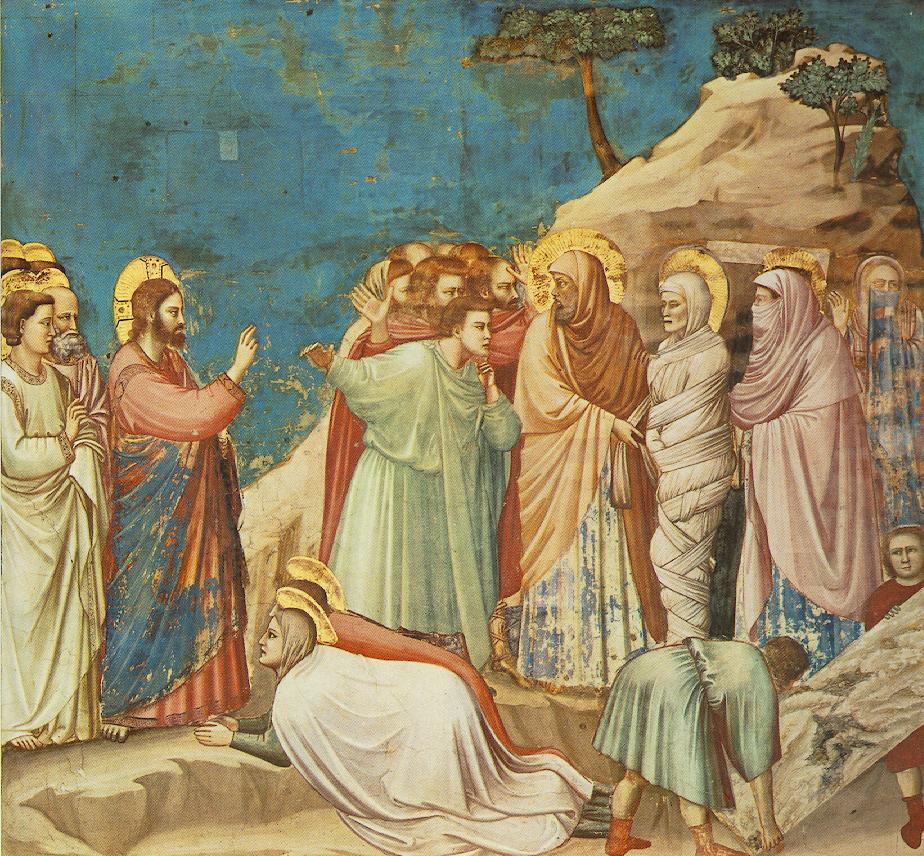
The Gospels give a living illustration. Lazarus was dead four days before Jesus called him out of the tomb (John 11:39, 43-44). If the dead were conscious, he would have had much to tell about where he had been. He had nothing to tell.
“Many expected to hear from Lazarus a wonderful account of scenes witnessed after death. They were surprised that he told them nothing. He had nothing of this kind to tell. Inspiration declares, ‘The dead know not anything…. Their love, and their hatred, and their envy, is now perished.’ Ecclesiastes 9:5, 6. But Lazarus did have a wonderful testimony to bear in regard to the work of Christ.”
Ellen G. White · The Desire of Ages, p. 557
This truth also protects us. If the dead know nothing, then any “spirit” that claims to be a departed loved one is not what it claims to be. God warned Israel never to seek the dead (Deuteronomy 18:10-12; Isaiah 8:19-20). The only hope for the dead is not a message from beyond, but the voice of Christ at the resurrection: “all that are in the graves shall hear his voice, and shall come forth” (John 5:28-29).
Whatsoever Thy Hand Findeth To Do
“Go thy way, eat thy bread with joy, and drink thy wine with a merry heart; for God now accepteth thy works. Let thy garments be always white; and let thy head lack no ointment. Live joyfully with the wife whom thou lovest all the days of the life of thy vanity, which he hath given thee under the sun, all the days of thy vanity: for that is thy portion in this life, and in thy labour which thou takest under the sun. Whatsoever thy hand findeth to do, do it with thy might; for there is no work, nor device, nor knowledge, nor wisdom, in the grave, whither thou goest.”
Ecclesiastes 9:7-10
Because death is real and final as far as this life is concerned, Solomon’s counsel is to live fully now, under God’s blessing. “Go thy way, eat thy bread with joy… for God now accepteth thy works.” The one who is right with God can enjoy his daily life without guilt. “Let thy garments be always white,” clean and festive, a sign of joy (and, in Scripture, of righteousness; Revelation 3:4-5; 19:8). “Live joyfully with the wife whom thou lovest.” Solomon, who had a thousand women and no true companion, now commends faithful love for one wife as one of life’s great gifts.
Scripture uses the word “wine” both for the fresh fruit of the vine, which it counts a blessing (“the new wine is found in the cluster,” Isaiah 65:8), and for the fermented drink it warns against (“Wine is a mocker,” Proverbs 20:1; 23:29-32). The point of verse 7 is gladness in God’s good gifts, not intoxication.
“Whatsoever thy hand findeth to do, do it with thy might.” Life is the time for work, service and choosing. “For there is no work, nor device, nor knowledge, nor wisdom, in the grave, whither thou goest.” There is no second chance after death, no opportunity to repent in the grave. Now is the time. Jesus said the same: “I must work the works of him that sent me, while it is day: the night cometh, when no man can work” (John 9:4).
The Poor Wise Man
“I returned, and saw under the sun, that the race is not to the swift, nor the battle to the strong, neither yet bread to the wise, nor yet riches to men of understanding, nor yet favour to men of skill; but time and chance happeneth to them all. For man also knoweth not his time: as the fishes that are taken in an evil net, and as the birds that are caught in the snare; so are the sons of men snared in an evil time, when it falleth suddenly upon them. This wisdom have I seen also under the sun, and it seemed great unto me: There was a little city, and few men within it; and there came a great king against it, and besieged it, and built great bulwarks against it: Now there was found in it a poor wise man, and he by his wisdom delivered the city; yet no man remembered that same poor man. Then said I, Wisdom is better than strength: nevertheless the poor man’s wisdom is despised, and his words are not heard. The words of wise men are heard in quiet more than the cry of him that ruleth among fools. Wisdom is better than weapons of war: but one sinner destroyeth much good.”
Ecclesiastes 9:11-18
“The race is not to the swift, nor the battle to the strong.” Life under the sun does not always reward talent. The fastest runner may stumble; the strongest army may lose. “Time and chance happeneth to them all,” and “man also knoweth not his time.” Death can come “suddenly,” like a net over fish or a snare over birds. Another reason to be ready now.
Then Solomon tells a parable. A great king besieged a little city. There was no army to save it, only “a poor wise man,” who “by his wisdom delivered the city.” And then “no man remembered that same poor man.” Wisdom saved them, and they forgot the man who had it.
It is hard not to see a picture of Christ in that story. He came poor, the carpenter of Nazareth. He delivered His people from the great enemy who besieged them. And “he is despised and rejected of men” (Isaiah 53:3). The world still forgets the One who saved it.
“Wisdom is better than weapons of war: but one sinner destroyeth much good.” One wise man can save a city. One sinner can ruin it. Solomon knew both sides. His early wisdom had blessed the nation; his later sins undid much of it. That warning leads directly into the next chapter.
