Ecclesiastes 10 is a string of proverbs about wisdom and folly in daily life. It opens with an unforgettable picture: “Dead flies cause the ointment of the apothecary to send forth a stinking savour: so doth a little folly him that is in reputation for wisdom and honour.” Solomon warns of foolish rulers, careless work, a runaway tongue, and princes who “eat in the morning” instead of “in due season, for strength, and not for drunkenness.” Each saying shows how much depends on small choices, and how a little folly can spoil a great deal of good.
A study in Ecclesiastes 10 · Arthur Baldwin · StandUp4Jesus.Org · 12 min read
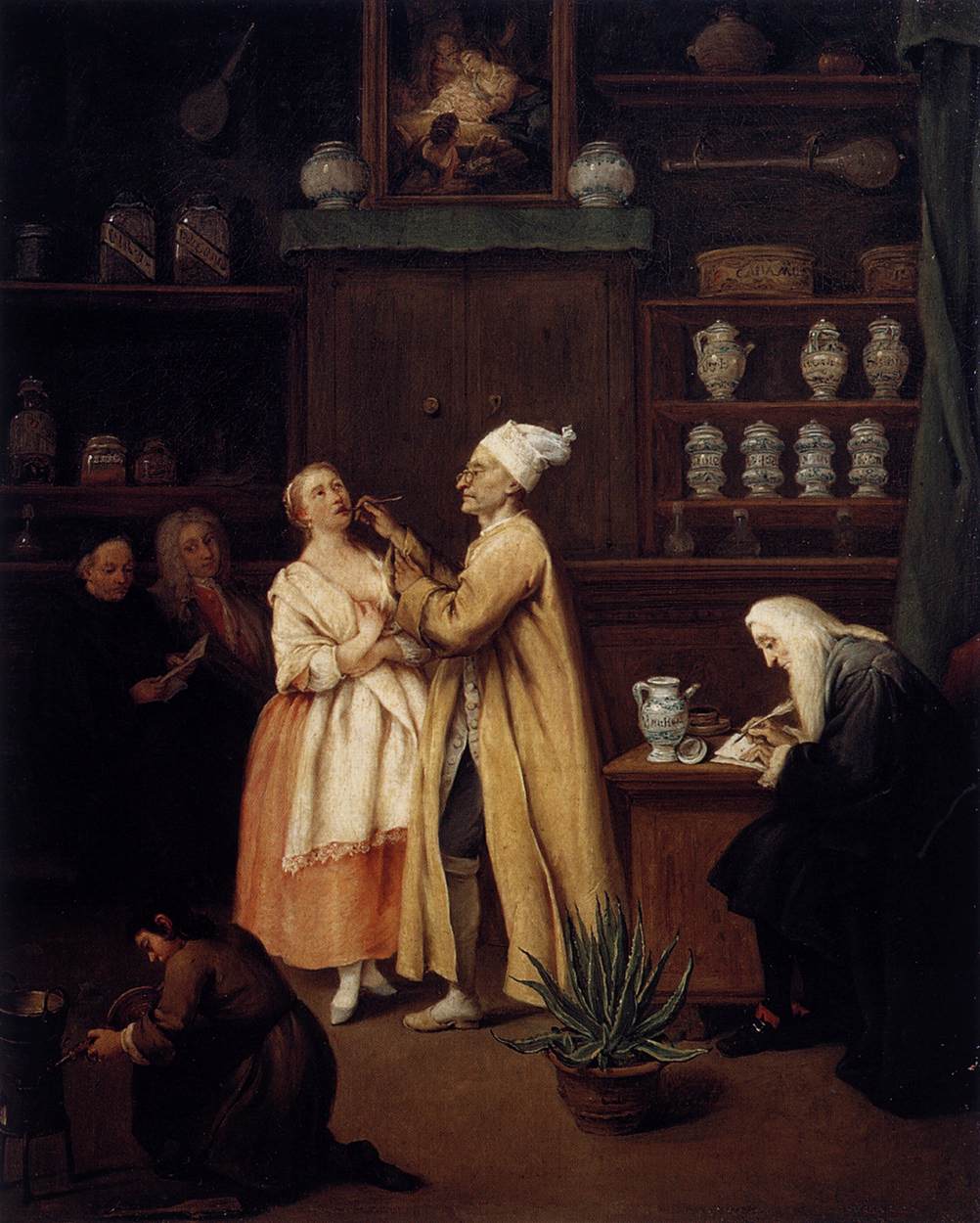
Dead Flies In The Ointment
“Dead flies cause the ointment of the apothecary to send forth a stinking savour: so doth a little folly him that is in reputation for wisdom and honour. A wise man’s heart is at his right hand; but a fool’s heart at his left. Yea also, when he that is a fool walketh by the way, his wisdom faileth him, and he saith to every one that he is a fool.”
Ecclesiastes 10:1-3
An apothecary spent days blending costly spices and oils into a precious ointment. A few flies landed in it, died, and began to rot, and the whole batch stank. The flies were tiny; the loss was total. “So doth a little folly him that is in reputation for wisdom and honour.”
A lifetime of good character can be spoiled by one foolish act. Solomon’s own reputation for wisdom was the greatest in the world (1 Kings 4:31), and his compromises with idolatry left a stain that the whole nation smelled for generations. It is the small things, a careless word, a secret habit, one compromise, that so often undo a good name.
“Among the many lessons taught by Solomon’s life, none is more strongly emphasized than the power of influence for good or for ill. However contracted may be our sphere, we still exert an influence for weal or woe. Beyond our knowledge or control, it tells upon others in blessing or cursing.”
Ellen G. White · Prophets and Kings, p. 85
“A wise man’s heart is at his right hand; but a fool’s heart at his left.” In Hebrew idiom the right hand is the side of strength and blessing. The wise person’s heart leads him toward what is right. And the fool cannot hide what he is for long: as soon as “he that is a fool walketh by the way,” his words and behaviour announce it “to every one.”
“And yet one rash act, one thoughtless word, on our part may exert so deep an influence on the life of another that it will prove the ruin of his soul. One blemish on the character may turn many away from Christ.”
Ellen G. White · Prophets and Kings, p. 86
Folly Is Set In Great Dignity
“If the spirit of the ruler rise up against thee, leave not thy place; for yielding pacifieth great offences. There is an evil which I have seen under the sun, as an error which proceedeth from the ruler: Folly is set in great dignity, and the rich sit in low place. I have seen servants upon horses, and princes walking as servants upon the earth.”
Ecclesiastes 10:4-7
“If the spirit of the ruler rise up against thee, leave not thy place; for yielding pacifieth great offences.” When a person in authority is angry with you, don’t storm out or answer back. Stay calm and gentle. “A soft answer turneth away wrath” (Proverbs 15:1).
But rulers make mistakes too. “Folly is set in great dignity,” foolish people are promoted, while capable people are passed over: “servants upon horses, and princes walking as servants.” Solomon had seen it happen, sometimes by his own decisions. The world’s rankings are not God’s. In His kingdom, “the last shall be first, and the first last” (Matthew 20:16).
If The Iron Be Blunt
“He that diggeth a pit shall fall into it; and whoso breaketh an hedge, a serpent shall bite him. Whoso removeth stones shall be hurt therewith; and he that cleaveth wood shall be endangered thereby. If the iron be blunt, and he do not whet the edge, then must he put to more strength: but wisdom is profitable to direct. Surely the serpent will bite without enchantment; and a babbler is no better. The words of a wise man’s mouth are gracious; but the lips of a fool will swallow up himself. The beginning of the words of his mouth is foolishness: and the end of his talk is mischievous madness. A fool also is full of words: a man cannot tell what shall be; and what shall be after him, who can tell him? The labour of the foolish wearieth every one of them, because he knoweth not how to go to the city.”
Ecclesiastes 10:8-15
Every kind of work has its risks. The man who digs a pit may fall in; the one who breaks down a wall may disturb a snake; the quarryman and the woodcutter can be hurt by their own tools. The one who digs a pit for others often falls into it himself (Psalm 7:15). Wisdom does not remove all danger, but it helps us work carefully.
“If the iron be blunt, and he do not whet the edge, then must he put to more strength: but wisdom is profitable to direct.” A woodcutter with a dull axe works twice as hard for half the result. Stopping to sharpen the blade is not wasted time. So it is in the Christian life. Time spent in prayer and the word sharpens us for the work of the day. The wise person works smarter, not just harder.
Then Solomon turns to the tongue. “The words of a wise man’s mouth are gracious; but the lips of a fool will swallow up himself.” A fool’s talk begins with “foolishness” and ends in “mischievous madness.” He is “full of words,” talking confidently about the future though “a man cannot tell what shall be.” And he wears himself out, “because he knoweth not how to go to the city”: he cannot even find his way down the main road. So much effort, so little direction.
For Strength, And Not For Drunkenness
“Woe to thee, O land, when thy king is a child, and thy princes eat in the morning! Blessed art thou, O land, when thy king is the son of nobles, and thy princes eat in due season, for strength, and not for drunkenness! By much slothfulness the building decayeth; and through idleness of the hands the house droppeth through. A feast is made for laughter, and wine maketh merry: but money answereth all things. Curse not the king, no not in thy thought; and curse not the rich in thy bedchamber: for a bird of the air shall carry the voice, and that which hath wings shall tell the matter.”
Ecclesiastes 10:16-20
“Woe to thee, O land, when thy king is a child, and thy princes eat in the morning!” A nation suffers when its rulers are immature and self-indulgent, feasting when they should be working. “Blessed art thou, O land… when thy princes eat in due season, for strength, and not for drunkenness!” Eating is meant to give strength for service. When appetite rules, judgment fails.
“It was customary for the Hebrews to eat but twice a day, their heartiest meal coming not far from the middle of the day. But the luxurious habits of the heathen had been engrafted into the nation, and the king and his princes were accustomed to extend their festivities far into the night. On the other hand, if the earlier part of the day was devoted to feasting and wine-drinking, the officers and rulers of the kingdom were totally unfitted for their grave duties.”
Ellen G. White · The SDA Bible Commentary, vol. 3, p. 1165
This is one of the Bible’s clearest links between diet and leadership. What leaders eat and drink, and when, affects how clearly they think. The principle applies to every Christian: we are to eat and drink “to the glory of God” (1 Corinthians 10:31), with regular meals, simple food, and no alcohol to cloud the mind.
“By much slothfulness the building decayeth.” A leaking roof, neglected, eventually brings the house down. So do neglected habits, neglected relationships, and a neglected soul. And “money answereth all things” is the motto of the feasters in the previous line: they think money can buy anything. Solomon has spent the whole book showing that it cannot buy what matters most.
Finally, “Curse not the king, no not in thy thought.” Words spoken in private have a way of getting out: “a bird of the air shall carry the voice.” Our English saying, “a little bird told me,” may come from this verse. But the deeper truth is that God hears even our thoughts. Better not to think the curse at all.
