Ecclesiastes 11 turns the Preacher’s hard-won realism into encouragement. We cannot control or foresee the future, so we should be generous and diligent anyway: “Cast thy bread upon the waters: for thou shalt find it after many days.” “In the morning sow thy seed, and in the evening withhold not thine hand.” Then Solomon speaks directly to the young: “Rejoice, O young man, in thy youth… but know thou, that for all these things God will bring thee into judgment.” It is joy with accountability, and freedom that remembers God.
A study in Ecclesiastes 11 · Arthur Baldwin · StandUp4Jesus.Org · 10 min read
Cast Thy Bread Upon The Waters
“Cast thy bread upon the waters: for thou shalt find it after many days. Give a portion to seven, and also to eight; for thou knowest not what evil shall be upon the earth. If the clouds be full of rain, they empty themselves upon the earth: and if the tree fall toward the south, or toward the north, in the place where the tree falleth, there it shall be.”
Ecclesiastes 11:1-3
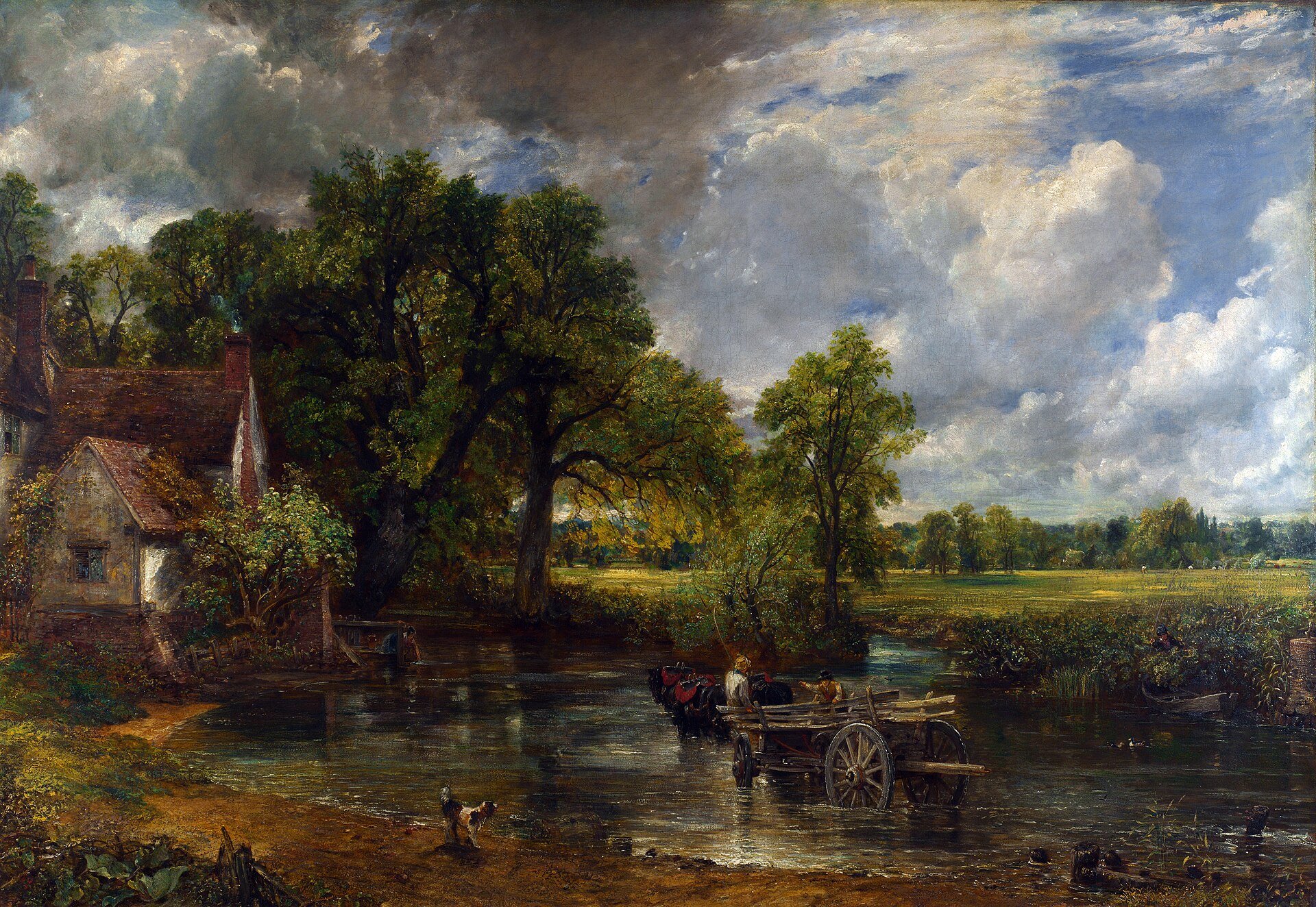
“Cast thy bread upon the waters: for thou shalt find it after many days.” The picture may be of grain shipped overseas by merchants, sent out on the water and returning later as profit. Or it may simply be generosity that looks like throwing something away. Either way, the lesson is the same: give freely, and trust God with the return. What we give in His name is never lost.
“The goods that we handle are not our own, and never can this fact safely be lost sight of. We are but stewards, and on the discharge of our obligation to God and man depend both the welfare of our fellow beings and our own destiny for this life and for the life to come.”
Ellen G. White · Education, p. 139
“Give a portion to seven, and also to eight.” Share widely, and then share a little more. “For thou knowest not what evil shall be upon the earth.” The natural instinct in uncertain times is to hoard. Solomon says the opposite: because the future is uncertain, be generous now, while you can. The friends you help today may be the ones who help you tomorrow, and God keeps account.
Some things we cannot change. When the clouds are full, the rain falls; where a tree falls, there it lies. We cannot control the weather or undo what has happened. We can only act wisely within God’s world.
In The Morning Sow Thy Seed
“He that observeth the wind shall not sow; and he that regardeth the clouds shall not reap. As thou knowest not what is the way of the spirit, nor how the bones do grow in the womb of her that is with child: even so thou knowest not the works of God who maketh all. In the morning sow thy seed, and in the evening withhold not thine hand: for thou knowest not whether shall prosper, either this or that, or whether they both shall be alike good.”
Ecclesiastes 11:4-6
“He that observeth the wind shall not sow; and he that regardeth the clouds shall not reap.” The farmer who waits for perfect conditions will never plant. There is always a reason to delay: the wind is wrong, the clouds look threatening. Perfectionism and fear can paralyse us. The wise person acts, trusting God with what he cannot control.
We do not understand how God works. We do not know “the way of the spirit,” the breath of life, or how a child is formed in the womb (Psalm 139:13-16). “Even so thou knowest not the works of God who maketh all.” But not knowing is no excuse for not doing. “In the morning sow thy seed, and in the evening withhold not thine hand.” Keep sowing, morning and evening, because you never know which seed will bear fruit.
“The good seed may for a time lie unnoticed in a cold, selfish, worldly heart, giving no evidence that it has taken root; but afterward, as the Spirit of God breathes on the soul, the hidden seed springs up, and at last bears fruit to the glory of God. In our lifework we know not which shall prosper, this or that. This is not a question for us to settle. We are to do our work, and leave the results with God.”
Ellen G. White · Christ’s Object Lessons, p. 65
This is true of every kind of Christian work: a word to a neighbour, a book given away, a child taught to pray. We may never see the harvest. But God’s promise stands: “my word… shall not return unto me void” (Isaiah 55:11).
Rejoice, O Young Man
“Truly the light is sweet, and a pleasant thing it is for the eyes to behold the sun: But if a man live many years, and rejoice in them all; yet let him remember the days of darkness; for they shall be many. All that cometh is vanity. Rejoice, O young man, in thy youth; and let thy heart cheer thee in the days of thy youth, and walk in the ways of thine heart, and in the sight of thine eyes: but know thou, that for all these things God will bring thee into judgment. Therefore remove sorrow from thy heart, and put away evil from thy flesh: for childhood and youth are vanity.”
Ecclesiastes 11:7-10
“Truly the light is sweet, and a pleasant thing it is for the eyes to behold the sun.” Life itself is a gift. Morning light, a clear sky, the simple joy of being alive: Solomon, after all his searching, finds them good. And he wants us to enjoy every year we are given, while remembering that “the days of darkness,” old age and death, will come.
Then the old king speaks to the young. “Rejoice, O young man, in thy youth.” God is not against youthful joy. He made it. Enjoy your strength, your energy, your dreams. “But know thou, that for all these things God will bring thee into judgment.” Freedom comes with accountability. Every choice matters to God, and every choice will be reviewed.
“Solomon’s later writings reveal that as he realized more and still more the wickedness of his course, he gave special attention to warning the youth against falling into the errors that had led him to squander for nought Heaven’s choicest gifts.”
Ellen G. White · Prophets and Kings, p. 80
“Therefore remove sorrow from thy heart, and put away evil from thy flesh.” Two instructions for the young: don’t let anxiety and grief steal your joy, and don’t let sin steal your future. Deal with both now, “for childhood and youth are vanity,” a breath, quickly gone. The years of youth are short, and what we do with them shapes the rest of life. That is the bridge to the book’s final chapter, which begins with the most important counsel Solomon could give the young: “Remember now thy Creator.”
