The last chapter of Ecclesiastes gathers everything the Preacher has learned into one appeal: “Remember now thy Creator in the days of thy youth, while the evil days come not.” In a moving poem he pictures old age, the trembling hands, failing eyes and whitening hair, and then death itself, when “the dust return to the earth as it was: and the spirit shall return unto God who gave it.” And after twelve chapters of searching he gives “the conclusion of the whole matter: Fear God, and keep his commandments: for this is the whole duty of man. For God shall bring every work into judgment.”
A study in Ecclesiastes 12 · Arthur Baldwin · StandUp4Jesus.Org · 17 min read
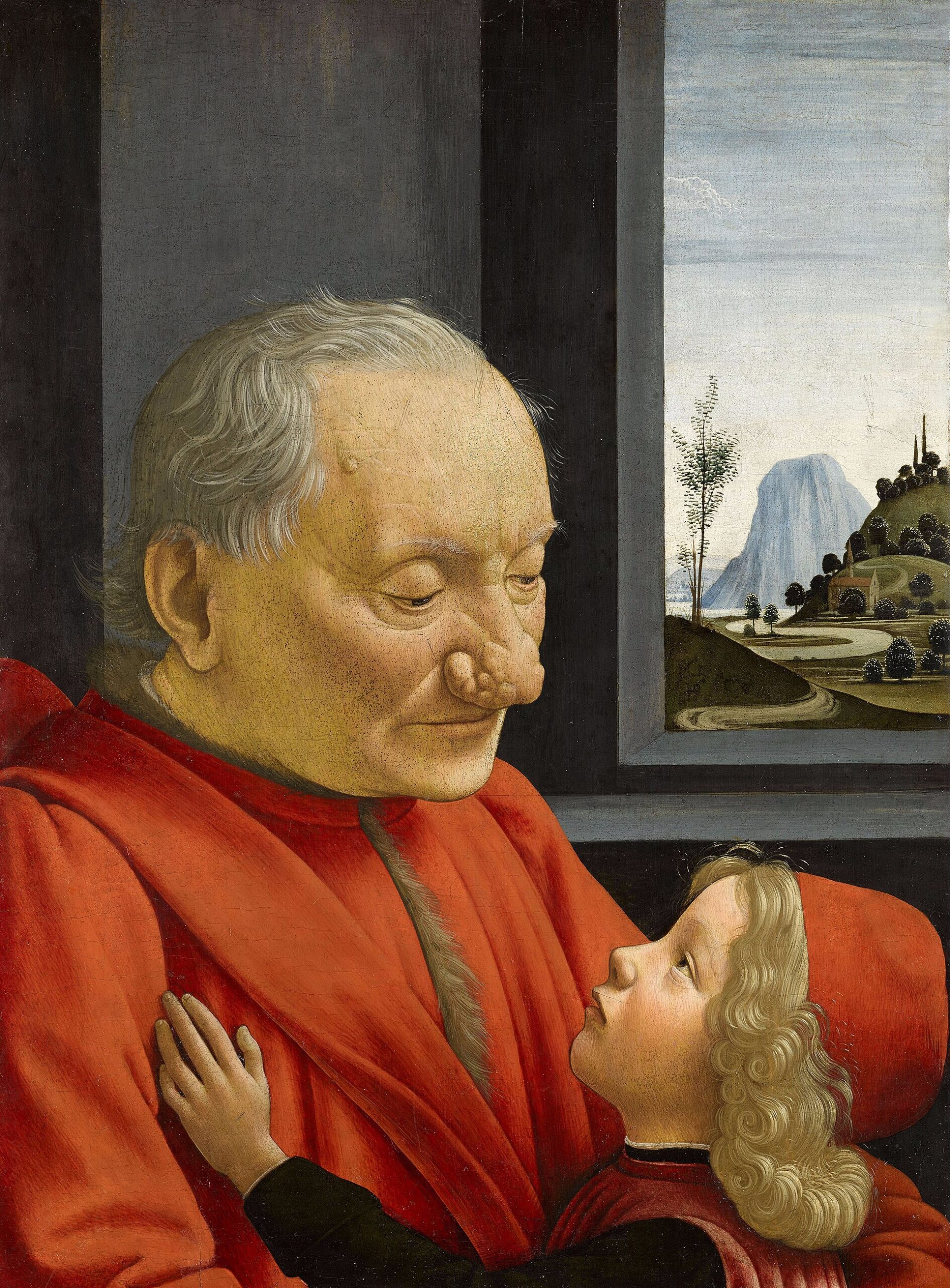
Remember Now Thy Creator
“Remember now thy Creator in the days of thy youth, while the evil days come not, nor the years draw nigh, when thou shalt say, I have no pleasure in them;”
Ecclesiastes 12:1
After eleven chapters of searching “under the sun,” Solomon lifts his eyes and speaks the word he has been leading up to: “Remember now thy Creator.” Not merely “think about God sometimes,” but remember Him as your Maker, the One to whom you belong and owe your life. “Now,” not later. “In the days of thy youth,” while your strength and your years are still ahead of you, before habits harden and the evil days come.
Solomon had not done this. He had remembered God as a young king, and forgotten Him in his prime. His whole book is the testimony of a man who wishes he had given all his years to God. And his counsel to the young is not gloomy.
“Says the wise man, ‘Remember now thy Creator in the days of thy youth.’ But do not for a moment suppose that religion will make you sad and gloomy and will block up the way to success. The religion of Christ does not obliterate or even weaken a single faculty.”
Ellen G. White · Messages to Young People, p. 38
How do we remember our Creator? God Himself gave a weekly reminder. The fourth commandment begins with the same word: “Remember the sabbath day, to keep it holy… for in six days the LORD made heaven and earth” (Exodus 20:8, 11). The Sabbath is the memorial of creation, a day set apart every week to remember who made us.
“It was to keep this truth ever before the minds of men, that God instituted the Sabbath in Eden; and so long as the fact that He is our Creator continues to be a reason why we should worship Him, so long the Sabbath will continue as its sign and memorial. Had the Sabbath been universally kept, man’s thoughts and affections would have been led to the Creator as the object of reverence and worship, and there would never have been an idolater, an atheist, or an infidel.”
Ellen G. White · The Great Controversy, p. 437
Before The Evil Days Come
“While the sun, or the light, or the moon, or the stars, be not darkened, nor the clouds return after the rain: In the day when the keepers of the house shall tremble, and the strong men shall bow themselves, and the grinders cease because they are few, and those that look out of the windows be darkened, And the doors shall be shut in the streets, when the sound of the grinding is low, and he shall rise up at the voice of the bird, and all the daughters of musick shall be brought low; Also when they shall be afraid of that which is high, and fears shall be in the way, and the almond tree shall flourish, and the grasshopper shall be a burden, and desire shall fail: because man goeth to his long home, and the mourners go about the streets:”
Ecclesiastes 12:2-5
Here is one of the most beautiful poems in Scripture: a picture of old age as a great house slowly shutting down. The light dims, and storm clouds keep returning after the rain; trouble follows trouble. “The keepers of the house shall tremble”: the hands and arms shake. “The strong men shall bow themselves”: the legs weaken. “The grinders cease because they are few”: the teeth are lost. “Those that look out of the windows be darkened”: the eyes grow dim.
“The doors shall be shut in the streets”: hearing fails, and the old man withdraws from the busy world. “He shall rise up at the voice of the bird”: sleep becomes light, and he wakes at dawn. “All the daughters of musick shall be brought low”: the voice weakens and music fades. “They shall be afraid of that which is high, and fears shall be in the way”: heights and stairs become frightening, and walking the street feels dangerous. “The almond tree shall flourish”: the hair turns white, like almond blossom. “The grasshopper shall be a burden”: even the lightest weight is too much. “And desire shall fail.”
“Because man goeth to his long home, and the mourners go about the streets.” The poem ends at the funeral. Solomon’s point is urgent: give your heart to God while you have the strength to serve Him. Yet his own life shows that it is never too late to return.
“Not only to the youth, but to those of mature years, and to those who are descending the hill of life and facing the western sun, the life of Solomon is full of warning.”
Ellen G. White · Prophets and Kings, p. 82
The Spirit Shall Return Unto God
“Or ever the silver cord be loosed, or the golden bowl be broken, or the pitcher be broken at the fountain, or the wheel broken at the cistern. Then shall the dust return to the earth as it was: and the spirit shall return unto God who gave it. Vanity of vanities, saith the preacher; all is vanity.”
Ecclesiastes 12:6-8
Four images of death: a silver cord snaps and a golden lamp falls and breaks; a pitcher shatters at the spring; the wheel that lifts water from the well breaks. Life, like a lamp or a water jar, is precious and fragile, and when it breaks it cannot be mended by human hands.
“Then shall the dust return to the earth as it was: and the spirit shall return unto God who gave it.” This verse is often read as teaching that a conscious soul flies to heaven at death. But look at it closely. It reverses creation: “the LORD God formed man of the dust of the ground, and breathed into his nostrils the breath of life; and man became a living soul” (Genesis 2:7). At death the process runs backward. The dust goes back to the ground, and the breath, the ruach, goes back to the God who gave it.
And the verse says the same of everyone, righteous and wicked alike. It cannot mean that every person goes to be with God in bliss. The “spirit” that returns is the same ruach that, in chapter 3, “they have all one breath” (3:19): the life-giving breath God lends and takes back. It is not a conscious person. That is why the same book says, “the dead know not any thing” (9:5). The life belongs to God, He holds it, and at the resurrection He will give it again.
“Vanity of vanities, saith the preacher; all is vanity.” The book ends where it began (1:2). Life under the sun, without God, is a breath. But now we know the way above it.
The Words Of The Wise
“And moreover, because the preacher was wise, he still taught the people knowledge; yea, he gave good heed, and sought out, and set in order many proverbs. The preacher sought to find out acceptable words: and that which was written was upright, even words of truth. The words of the wise are as goads, and as nails fastened by the masters of assemblies, which are given from one shepherd. And further, by these, my son, be admonished: of making many books there is no end; and much study is a weariness of the flesh.”
Ecclesiastes 12:9-12
Here the Preacher looks back on his own work. He “taught the people knowledge,” set in order “many proverbs,” and wrote “words of truth.” Ecclesiastes itself is the fruit of that work: the lessons of his wasted years, written down so others would not repeat them.
“By the spirit of inspiration the king recorded for after generations the history of his wasted years with their lessons of warning. And thus, although the seed of his sowing was reaped by his people in harvests of evil, his life-work was not wholly lost.”
Ellen G. White · Prophets and Kings, p. 79
“The words of the wise are as goads, and as nails.” A goad was a pointed stick used to drive oxen forward. The words of wisdom prod us out of complacency. And like nails firmly driven in, they hold fast in the memory. They are “given from one shepherd,” one source: God, the Shepherd of Israel, who inspired them (2 Timothy 3:16).
“Of making many books there is no end; and much study is a weariness of the flesh.” Solomon had read and written more than almost anyone. Endless study without God only tires us out. There is always another book, another theory. What we need is not more books, but the one Book, and the God it reveals.
The Conclusion Of The Whole Matter
“Let us hear the conclusion of the whole matter: Fear God, and keep his commandments: for this is the whole duty of man. For God shall bring every work into judgment, with every secret thing, whether it be good, or whether it be evil.”
Ecclesiastes 12:13-14
Here, at last, is the answer to the question the whole book has asked: what is life for? “Fear God, and keep his commandments: for this is the whole duty of man.” Solomon had tried pleasure, work, wealth, wisdom and power, and found them all a breath. What remains is a relationship with God, reverence expressed in obedience. That is not a burden laid on top of life. It is what human life was made for.
These words echo through to the end of the Bible. In Revelation, the first of the three angels calls the whole world in the last days: “Fear God, and give glory to him; for the hour of his judgment is come: and worship him that made heaven, and earth, and the sea, and the fountains of waters” (Revelation 14:7). Fear God; the judgment; the Creator: the same three themes that close Ecclesiastes.
“By the first angel, men are called upon to ‘fear God, and give glory to Him’ and to worship Him as the Creator of the heavens and the earth. In order to do this, they must obey His law. Says the wise man: ‘Fear God, and keep His commandments: for this is the whole duty of man.’ Ecclesiastes 12:13. Without obedience to His commandments no worship can be pleasing to God.”
Ellen G. White · The Great Controversy, p. 436
“For God shall bring every work into judgment, with every secret thing, whether it be good, or whether it be evil.” Nothing is hidden from Him, and nothing is forgotten. This is solemn, for the unrepentant. But for the believer it is also comforting: no act of faithfulness goes unnoticed.
“In the book of God’s remembrance every deed of righteousness is immortalized. There every temptation resisted, every evil overcome, every word of tender pity expressed, is faithfully chronicled. And every act of sacrifice, every suffering and sorrow endured for Christ’s sake, is recorded.”
Ellen G. White · The Great Controversy, p. 481
And the sinner who has wasted years need not despair. Solomon himself, who had fallen so far, turned back to God at the end, and his repentance gave us this book.
“But none who have fallen need give up to despair. Aged men, once honored of God, may have defiled their souls, sacrificing virtue on the altar of lust; but if they repent, forsake sin, and turn to God, there is still hope for them.”
Ellen G. White · Prophets and Kings, p. 84
That is the end of the Preacher’s search. Everything under the sun is a breath. But above the sun is the Creator, who made us, who judges us, and who in Christ has come to redeem us. To fear Him, keep His commandments and remember Him in the days of our youth is not vanity. It is the whole of life.
