In chapters 21 and 22 Jeremiah stands before the throne of David and speaks to the last kings of Judah, one by one. King Zedekiah sends to ask whether God will work a miracle against Babylon, and is told to surrender. Then come God’s verdicts on three of his predecessors: Shallum, carried off to Egypt and never seen again; Jehoiakim, who built himself a palace of cedar with unpaid labour and would be “buried with the burial of an ass”; and Coniah, the king God would pull off His hand like a signet ring. In the middle of it all is one of the Bible’s clearest definitions of what it means to know God.
A study in Jeremiah 21-22 · Arthur Baldwin · StandUp4Jesus.Org · 15 min read
The Way Of Life, And The Way Of Death
“The word which came unto Jeremiah from the LORD, when king Zedekiah sent unto him Pashur the son of Melchiah, and Zephaniah the son of Maaseiah the priest, saying, Enquire, I pray thee, of the LORD for us; for Nebuchadrezzar king of Babylon maketh war against us; if so be that the LORD will deal with us according to all his wondrous works, that he may go up from us.”
Jeremiah 21:1, 2
Chapter 21 jumps forward to the final siege, years after the events of chapter 20. The Babylonian army is at the walls. King Zedekiah sends two officials to Jeremiah with a hopeful question: will God do one of His “wondrous works,” the way He destroyed the Assyrian army outside these same walls in Hezekiah’s day?
Zedekiah wanted the miracle without the repentance. Hezekiah had prayed and humbled himself; Zedekiah simply wanted God to remove the problem. The answer is no. God Himself will fight against the city. But even now He offers a way out:
“And unto this people thou shalt say, Thus saith the LORD; Behold, I set before you the way of life, and the way of death. He that abideth in this city shall die by the sword, and by the famine, and by the pestilence: but he that goeth out, and falleth to the Chaldeans that besiege you, he shall live, and his life shall be unto him for a prey. For I have set my face against this city for evil, and not for good, saith the LORD: it shall be given into the hand of the king of Babylon, and he shall burn it with fire.”
Jeremiah 21:8-10
“I set before you the way of life, and the way of death.” These words echo Moses at the edge of the promised land: “I have set before you life and death, blessing and cursing: therefore choose life” (Deuteronomy 30:19). But now the way of life looks like defeat. It means walking out of the city and surrendering to the enemy. To many in Jerusalem this sounded like treason. To God it was the only road that led to survival. Sometimes the way of life is the way of humbling ourselves.
Execute Ye Judgment And Righteousness
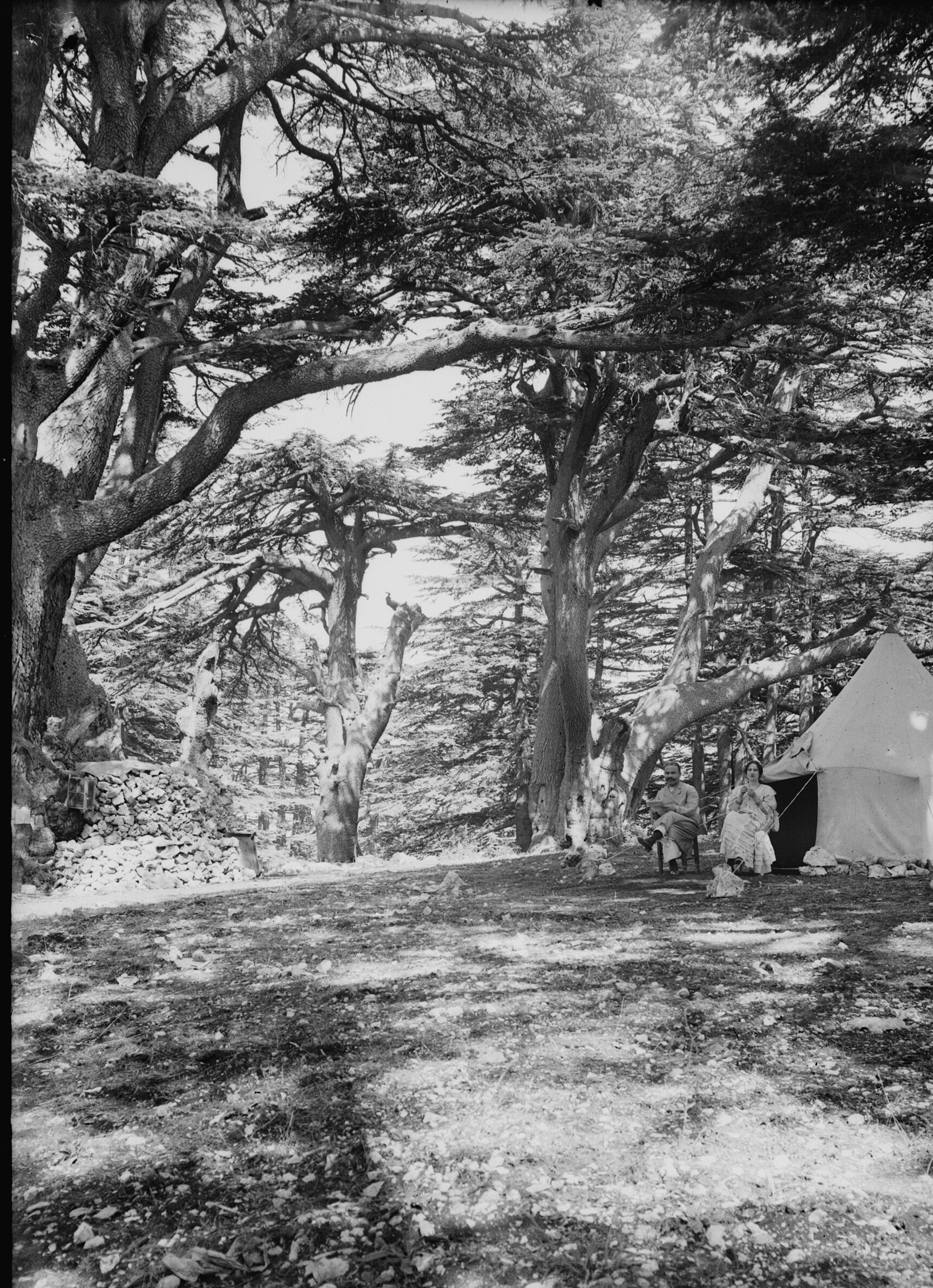
“Thus saith the LORD; Go down to the house of the king of Judah, and speak there this word, And say, Hear the word of the LORD, O king of Judah, that sittest upon the throne of David, thou, and thy servants, and thy people that enter in by these gates: Thus saith the LORD; Execute ye judgment and righteousness, and deliver the spoiled out of the hand of the oppressor: and do no wrong, do no violence to the stranger, the fatherless, nor the widow, neither shed innocent blood in this place.”
Jeremiah 22:1-3
Chapter 22 takes Jeremiah into the palace itself. The king of Judah sat “upon the throne of David,” and the throne came with a job description. He was to “execute judgment and righteousness,” rescue people from those who were robbing them, and protect the three groups with no one else to defend them: “the stranger, the fatherless,” and “the widow.”
In God’s eyes, the test of a ruler is how he treats the powerless. If the kings would do this, the throne of David would stand (22:4). If not, the palace would become “a desolation” (22:5). Micah had summed up the same requirement for everyone: “what doth the LORD require of thee, but to do justly, and to love mercy, and to walk humbly with thy God?” (Micah 6:8).
Weep Sore For Him That Goeth Away
“Weep ye not for the dead, neither bemoan him: but weep sore for him that goeth away: for he shall return no more, nor see his native country. For thus saith the LORD touching Shallum the son of Josiah king of Judah, which reigned instead of Josiah his father, which went forth out of this place; He shall not return thither any more: But he shall die in the place whither they have led him captive, and shall see this land no more.”
Jeremiah 22:10-12
“The dead” is good King Josiah, killed in battle at Megiddo and mourned by the whole nation. Jeremiah says not to weep for him. Josiah had died faithful, and was spared the disaster to come. Instead, “weep sore for him that goeth away”: Shallum, also called Jehoahaz, Josiah’s son, who reigned only three months before Pharaoh Necho deposed him and took him to Egypt in chains (2 Kings 23:31-34).
There is a sadder thing than death, Jeremiah says, and that is to be cut off from home forever. Shallum “shall return no more, nor see his native country.” He was the first of Judah’s last kings to be taken away, and a warning of what was coming for the whole nation.
Woe Unto Him That Buildeth His House By Unrighteousness
“Woe unto him that buildeth his house by unrighteousness, and his chambers by wrong; that useth his neighbour’s service without wages, and giveth him not for his work; That saith, I will build me a wide house and large chambers, and cutteth him out windows; and it is cieled with cedar, and painted with vermilion.”
Jeremiah 22:13, 14
Next came Jehoiakim, another son of Josiah, put on the throne by Egypt. While the nation was being warned of coming disaster, he was busy building himself a grand new palace, with wide rooms, big windows, cedar panelling and bright red paint. And he did it by forcing his own people to work without pay.
“At the very time messages of impending doom were urged upon princes and people, their ruler, Jehoiakim, who should have been a wise spiritual leader, foremost in confession of sin and in reformation and good works, was spending his time in selfish pleasure.”
Ellen G. White · Prophets and Kings, p. 429
God hears the cry of unpaid workers. James warned the rich of his day in almost the same words: “Behold, the hire of the labourers who have reaped down your fields, which is of you kept back by fraud, crieth: and the cries of them which have reaped are entered into the ears of the Lord of sabaoth” (James 5:4). A house built on stolen wages will not stand.
“Therefore thus saith the LORD concerning Jehoiakim the son of Josiah king of Judah; They shall not lament for him, saying, Ah my brother! or, Ah sister! they shall not lament for him, saying, Ah lord! or, Ah his glory! He shall be buried with the burial of an ass, drawn and cast forth beyond the gates of Jerusalem.”
Jeremiah 22:18, 19
The king who wanted a palace fit for a king would not even get a funeral. No one would mourn him. His body would be dragged out and dumped outside the city like a dead donkey. A man can spend his life building monuments to himself and end with nothing at all.
Was Not This To Know Me?
“Shalt thou reign, because thou closest thyself in cedar? did not thy father eat and drink, and do judgment and justice, and then it was well with him? He judged the cause of the poor and needy; then it was well with him: was not this to know me? saith the LORD. But thine eyes and thine heart are not but for thy covetousness, and for to shed innocent blood, and for oppression, and for violence, to do it.”
Jeremiah 22:15-17
In the middle of the woe comes a question that defines true religion. God reminds Jehoiakim of his father, Josiah. Josiah lived a normal life; he did “eat and drink.” But he also did “judgment and justice.” “He judged the cause of the poor and needy.” And God says: “was not this to know me?”
Knowing God is not only having the right ideas about Him or performing the right ceremonies. It is becoming like Him. A man who truly knows the God who defends the poor will defend the poor himself. Earlier in this book God said, “let him that glorieth glory in this, that he understandeth and knoweth me, that I am the LORD which exercise lovingkindness, judgment, and righteousness, in the earth” (9:24). Josiah knew God, and it showed in how he treated people. Jehoiakim lived in cedar and knew nothing.
God then gives the reason all this was happening: “I spake unto thee in thy prosperity; but thou saidst, I will not hear. This hath been thy manner from thy youth, that thou obeyedst not my voice” (22:21). God’s warnings came in good times, not just bad. The tragedy is that when life is going well, we often feel we do not need to listen.
The Signet Upon My Right Hand
“As I live, saith the LORD, though Coniah the son of Jehoiakim king of Judah were the signet upon my right hand, yet would I pluck thee thence;”
Jeremiah 22:24
The third king is Coniah, also called Jehoiachin or Jeconiah, Jehoiakim’s son. He reigned only three months before Nebuchadnezzar took him to Babylon. A signet ring was a king’s seal, worn on the right hand and pressed into wax to sign official documents. It was the most precious and personal thing a king owned. God says that even if Coniah were that close to Him, He would pull him off and throw him away.
“Is this man Coniah a despised broken idol? is he a vessel wherein is no pleasure? wherefore are they cast out, he and his seed, and are cast into a land which they know not? O earth, earth, earth, hear the word of the LORD. Thus saith the LORD, Write ye this man childless, a man that shall not prosper in his days: for no man of his seed shall prosper, sitting upon the throne of David, and ruling any more in Judah.”
Jeremiah 22:28-30
“O earth, earth, earth, hear the word of the LORD.” The triple call shows how solemn this sentence is. Coniah would be written “childless.” He did have sons (1 Chronicles 3:17), but the verse explains what it means: “no man of his seed shall prosper, sitting upon the throne of David.” None of his descendants would ever reign as king in Judah. And none ever did.
This raises a question, because Matthew’s genealogy of Jesus runs through this very man: “And after they were brought to Babylon, Jechonias begat Salathiel; and Salathiel begat Zorobabel” (Matthew 1:12). But Matthew traces the line of Joseph, and Jesus was not Joseph’s son by birth. He received the legal right to David’s throne through Joseph without being a physical descendant of Coniah. Luke gives a different line that goes back to David through his son Nathan (Luke 3:31), which many have understood as Mary’s family. The angel promised that “the Lord God shall give unto him the throne of his father David” (Luke 1:32). God kept both His curse and His promise.
And the story of the signet ring does not end here. About seventy-five years later, God spoke to Coniah’s grandson Zerubbabel, who led the exiles home: “In that day, saith the LORD of hosts, will I take thee, O Zerubbabel, my servant, the son of Shealtiel, saith the LORD, and will make thee as a signet: for I have chosen thee” (Haggai 2:23). The ring God pulled off His hand, He put back on. Judgment had the last word on a king who would not hear, but grace had the last word on the family.
