Chapters 24 and 25 belong to two different moments. In chapter 24, after the first great deportation to Babylon, God shows Jeremiah two baskets of figs outside the temple, one very good and one rotten. The surprise is which group is which. Chapter 25 steps back eight years to the day Nebuchadnezzar first came to power. Jeremiah looks back on twenty-three years of unanswered preaching and gives the nation a number: seventy years. It is the number Daniel would later find in this very book and pray over. Then God hands Jeremiah a cup of wine that every nation on earth must drink.
A study in Jeremiah 24-25 · Arthur Baldwin · StandUp4Jesus.Org · 20 min read
Two Baskets Before The Temple
“The LORD shewed me, and, behold, two baskets of figs were set before the temple of the LORD, after that Nebuchadrezzar king of Babylon had carried away captive Jeconiah the son of Jehoiakim king of Judah, and the princes of Judah, with the carpenters and smiths, from Jerusalem, and had brought them to Babylon. One basket had very good figs, even like the figs that are first ripe: and the other basket had very naughty figs, which could not be eaten, they were so bad.”
Jeremiah 24:1, 2
The vision is dated. Nebuchadnezzar had just taken King Jeconiah (Coniah, the “signet” of chapter 22) to Babylon, along with the princes and the skilled workers. Second Kings says he took “all the craftsmen and smiths: none remained, save the poorest sort of the people of the land” (2 Kings 24:14). The prophet Ezekiel was among those captives (Ezekiel 1:1, 2).
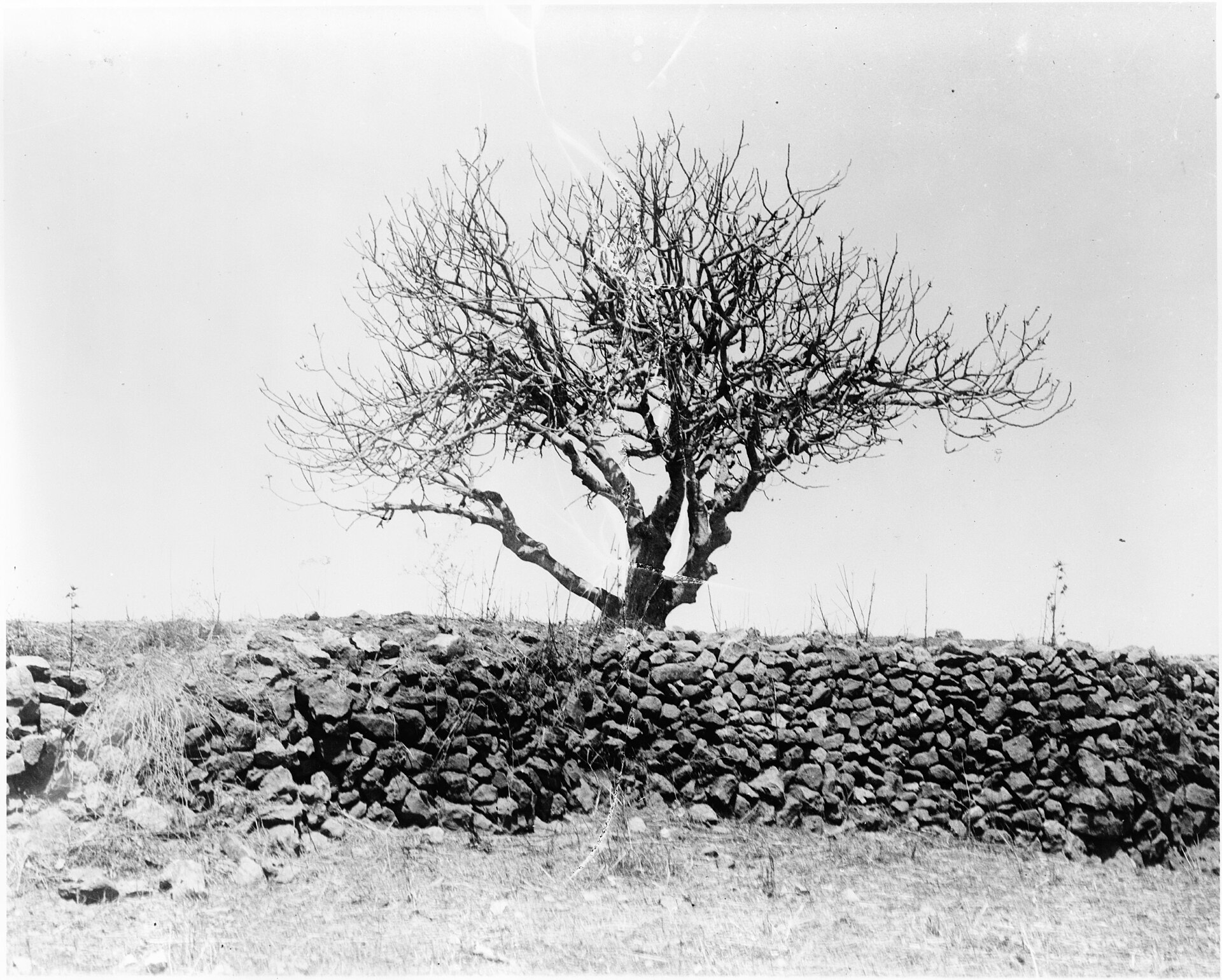
Two baskets sit in front of the temple, perhaps like offerings of firstfruits. One holds figs “like the figs that are first ripe,” the best fruit of the year. The other holds “very naughty figs,” an old English word for worthless. They are so rotten they “could not be eaten.” God asks Jeremiah the same question He asked at his call: “What seest thou, Jeremiah?” (24:3). And Jeremiah answers plainly: “the good figs, very good; and the evil, very evil.”
Sent Out For Their Good
“Thus saith the LORD, the God of Israel; Like these good figs, so will I acknowledge them that are carried away captive of Judah, whom I have sent out of this place into the land of the Chaldeans for their good. For I will set mine eyes upon them for good, and I will bring them again to this land: and I will build them, and not pull them down; and I will plant them, and not pluck them up.”
Jeremiah 24:5, 6
This was the opposite of what everyone in Jerusalem believed. The people left behind assumed they were the lucky ones, the faithful ones, the ones God had spared. The captives had obviously been punished. Ezekiel records that the people in Jerusalem said of the exiles, “Get you far from the LORD: unto us is this land given in possession” (Ezekiel 11:15).
God says the reverse. The exiles were the good figs, and He had sent them away “for their good.” Captivity was not the end of God’s care for them; it was the way He would care for them. The words “build” and “plant” go back to Jeremiah’s call in chapter 1, where God set him “to root out, and to pull down, and to destroy, and to throw down, to build, and to plant” (1:10). For the captives, the pulling down was over. Now came the building.
Among those good figs were Daniel and his three friends, carried off in an earlier deportation. Babylon thought it had captured them. God had planted them there.
“Among the children of Israel who were carried captive to Babylon at the beginning of the seventy years’ captivity were Christian patriots, men who were as true as steel to principle, who would not be corrupted by selfishness, but who would honor God at the loss of all things. In the land of their captivity these men were to carry out God’s purpose by giving to heathen nations the blessings that come through a knowledge of Jehovah.”
Ellen G. White · Prophets and Kings, p. 479
“And I will give them an heart to know me, that I am the LORD: and they shall be my people, and I will be their God: for they shall return unto me with their whole heart.”
Jeremiah 24:7
Here is what made the good figs good. It was not that they were better people by nature. God says, “I will give them an heart to know me.” The new heart was His gift. This is a preview of the new covenant in chapter 31, and of Ezekiel’s promise to the same captives: “I will take the stony heart out of their flesh, and will give them an heart of flesh” (Ezekiel 11:19). Hardship that drives us back to God “with” our “whole heart” is not wasted. “All things work together for good to them that love God” (Romans 8:28).
The Evil Figs
“And as the evil figs, which cannot be eaten, they are so evil; surely thus saith the LORD, So will I give Zedekiah the king of Judah, and his princes, and the residue of Jerusalem, that remain in this land, and them that dwell in the land of Egypt:”
Jeremiah 24:8
The rotten basket was the group that stayed: King Zedekiah, his princes, the people left in Jerusalem, and those who ran to Egypt for safety. They had kept their homes and their city, and they took it as proof that God was pleased with them. But they learned nothing from what had happened to their brothers. Within about eleven years, they would bring the final destruction on Jerusalem.
The lesson is a sobering one. We cannot judge God’s favour by our circumstances. The comfortable ones were the rotten figs. The ones who had lost everything were the good fruit. Jesus said, “by their fruits ye shall know them” (Matthew 7:20), and the fruit God was looking for was a heart that would turn to Him.
Rising Early And Speaking
“The word that came to Jeremiah concerning all the people of Judah in the fourth year of Jehoiakim the son of Josiah king of Judah, that was the first year of Nebuchadrezzar king of Babylon; The which Jeremiah the prophet spake unto all the people of Judah, and to all the inhabitants of Jerusalem, saying, From the thirteenth year of Josiah the son of Amon king of Judah, even unto this day, that is the three and twentieth year, the word of the LORD hath come unto me, and I have spoken unto you, rising early and speaking; but ye have not hearkened.”
Jeremiah 25:1-3
Chapter 25 is one of the turning points of the whole book, and it carries a precise date: “the first year of Nebuchadrezzar.” The new king of Babylon had just come to the throne. The world was about to change, and Jeremiah knew it.
He begins with his own record. For twenty-three years he had preached, “rising early and speaking.” The phrase pictures someone getting up at dawn to do an urgent job. God had sent other prophets too, “rising early and sending them” (25:4). Their message was always the same: “Turn ye again now every one from his evil way” (25:5). And the response was always the same: “ye have not hearkened.”
Twenty-three years is a long time to preach without seeing results. Jeremiah did not stop because people did not listen. Faithfulness, not success, was what God asked of him.
Seventy Years
“Moreover I will take from them the voice of mirth, and the voice of gladness, the voice of the bridegroom, and the voice of the bride, the sound of the millstones, and the light of the candle. And this whole land shall be a desolation, and an astonishment; and these nations shall serve the king of Babylon seventy years. And it shall come to pass, when seventy years are accomplished, that I will punish the king of Babylon, and that nation, saith the LORD, for their iniquity, and the land of the Chaldeans, and will make it perpetual desolations.”
Jeremiah 25:10-12
Look at what God says He will take away. Not palaces or armies, but the ordinary sounds of a living town: wedding songs, the grinding of grain for the day’s bread, a lamp in the window at night. Everyday life itself would stop.
Then comes the number: “seventy years.” Judah and the nations around it would serve Babylon for seventy years, and then Babylon itself would be judged. This is one of the most exact time prophecies in the Bible, and the Bible itself records its fulfillment. Chronicles says the land lay desolate “to fulfil the word of the LORD by the mouth of Jeremiah, until the land had enjoyed her sabbaths: for as long as she lay desolate she kept sabbath, to fulfil threescore and ten years” (2 Chronicles 36:21). And Ezra opens with Cyrus, “that the word of the LORD by the mouth of Jeremiah might be fulfilled” (Ezra 1:1).
“In the first year of his reign I Daniel understood by books the number of the years, whereof the word of the LORD came to Jeremiah the prophet, that he would accomplish seventy years in the desolations of Jerusalem.”
Daniel 9:2
Daniel had been taken to Babylon at the start of those seventy years. Near the end of them, as an old man, he sat reading Jeremiah’s scroll and counted. The years were almost up. So he did not sit back and wait; he began to pray and confess the sins of his people (Daniel 9:3-19). A prophecy about to be fulfilled was not a reason to relax. It was a reason to pray.
“Still burdened in behalf of Israel, Daniel studied anew the prophecies of Jeremiah. They were very plain—so plain that he understood by these testimonies recorded in books ‘the number of the years, whereof the word of the Lord came to Jeremiah the prophet, that He would accomplish seventy years in the desolations of Jerusalem.’”
Ellen G. White · Prophets and Kings, p. 554
It was in answer to that prayer that the angel Gabriel brought Daniel the prophecy of the seventy weeks, which pointed to the coming of the Messiah (Daniel 9:24-27). Jeremiah’s seventy years opened the door to an even greater prophecy. That is how God’s word works: one fulfilled promise becomes the ground for trusting the next.
The Wine Cup Of This Fury
“For thus saith the LORD God of Israel unto me; Take the wine cup of this fury at my hand, and cause all the nations, to whom I send thee, to drink it. And they shall drink, and be moved, and be mad, because of the sword that I will send among them. Then took I the cup at the LORD’s hand, and made all the nations to drink, unto whom the LORD had sent me: To wit, Jerusalem, and the cities of Judah, and the kings thereof, and the princes thereof, to make them a desolation, an astonishment, an hissing, and a curse; as it is this day;”
Jeremiah 25:15-18
Now God gives Jeremiah a picture to carry the message: a cup filled with the wine of His wrath. Every nation would drink it, and it would leave them staggering like drunken men. And notice who drinks first: “Jerusalem, and the cities of Judah.” God’s own people head the list.
“Although the sentence of doom had been clearly pronounced, its awful import could scarcely be understood by the multitudes who heard. That deeper impressions might be made, the Lord sought to illustrate the meaning of the words spoken. He bade Jeremiah liken the fate of the nation to the draining of a cup filled with the wine of divine wrath.”
Ellen G. White · Prophets and Kings, p. 431
After Judah, the list runs right around the known world: Egypt, the Philistine cities, Edom, Moab, Ammon, Tyre and Sidon, the desert tribes, Elam, the Medes, “and all the kingdoms of the world” (25:19-26). Last of all: “the king of Sheshach shall drink after them” (25:26). Sheshach is a coded name for Babylon. Jeremiah uses it again in a verse that puts the two names side by side: “How is Sheshach taken!” and in the same breath, “how is Babylon become an astonishment among the nations!” (51:41). The nation God was using to pour out the cup would drink from it last.
“And it shall be, if they refuse to take the cup at thine hand to drink, then shalt thou say unto them, Thus saith the LORD of hosts; Ye shall certainly drink. For, lo, I begin to bring evil on the city which is called by my name, and should ye be utterly unpunished? Ye shall not be unpunished: for I will call for a sword upon all the inhabitants of the earth, saith the LORD of hosts.”
Jeremiah 25:28, 29
“I begin to bring evil on the city which is called by my name.” Judgment begins with the people who know God best, because they have had the most light. Peter says the same thing: “the time is come that judgment must begin at the house of God: and if it first begin at us, what shall the end be of them that obey not the gospel of God?” (1 Peter 4:17).
Revelation takes up this same cup. Whoever worships the beast “shall drink of the wine of the wrath of God, which is poured out without mixture into the cup of his indignation” (Revelation 14:10). And at the end, “great Babylon came in remembrance before God, to give unto her the cup of the wine of the fierceness of his wrath” (Revelation 16:19). Even the sounds Jeremiah said would fall silent come back in Revelation’s lament over end-time Babylon: “the sound of a millstone shall be heard no more at all in thee; And the light of a candle shall shine no more at all in thee; and the voice of the bridegroom and of the bride shall be heard no more at all in thee” (Revelation 18:22, 23). Jeremiah’s cup reaches all the way to the end of the world.
A Controversy With The Nations
“A noise shall come even to the ends of the earth; for the LORD hath a controversy with the nations, he will plead with all flesh; he will give them that are wicked to the sword, saith the LORD. Thus saith the LORD of hosts, Behold, evil shall go forth from nation to nation, and a great whirlwind shall be raised up from the coasts of the earth. And the slain of the LORD shall be at that day from one end of the earth even unto the other end of the earth: they shall not be lamented, neither gathered, nor buried; they shall be dung upon the ground.”
Jeremiah 25:31-33
The language now grows far larger than Babylon’s wars. “From one end of the earth even unto the other end of the earth.” “All flesh.” This is the judgment of the whole world. Ellen White applies these very verses to the close of time, when the long conflict between Christ and Satan ends.
“For six thousand years the great controversy has been in progress; the Son of God and His heavenly messengers have been in conflict with the power of the evil one, to warn, enlighten, and save the children of men. Now all have made their decisions; the wicked have fully united with Satan in his warfare against God.”
Ellen G. White · The Great Controversy, p. 656
The word “controversy” is a courtroom word. God “will plead with all flesh.” He does not destroy without a hearing. For twenty-three years Jeremiah had pleaded with Judah. For thousands of years God has pleaded with the world. Judgment comes only after “all have made their decisions.”
“Howl, ye shepherds, and cry; and wallow yourselves in the ashes, ye principal of the flock: for the days of your slaughter and of your dispersions are accomplished; and ye shall fall like a pleasant vessel. And the shepherds shall have no way to flee, nor the principal of the flock to escape.”
Jeremiah 25:34, 35
The chapter ends where chapter 23 began: with the shepherds. The leaders who scattered the flock would have “no way to flee.” But the two halves of this study belong together. The same God who poured out the cup also set His eyes on the good figs “for good.” Revelation’s call to the last generation is the same choice Jeremiah set before Judah: “Come out of her, my people, that ye be not partakers of her sins, and that ye receive not of her plagues” (Revelation 18:4). The cup is real. So is the basket of good figs, and God still gives “an heart to know” Him to everyone who will return to Him with their whole heart.
