Jeremiah 36 tells how the book of Jeremiah first came to be written down, and how a king tried to destroy it. Jeremiah, barred from the temple, dictates twenty-three years of God’s messages to his secretary Baruch. Baruch reads the scroll to the crowds on a fast day, then to the royal officials, and finally it is read to King Jehoiakim as he sits by the fire in his winter palace. Every few columns, the king cuts off the part just read with a scribe’s knife and drops it into the flames. God’s reply is simple: write it again. And this time, add more.
A study in Jeremiah 36 · Arthur Baldwin · StandUp4Jesus.Org · 13 min read
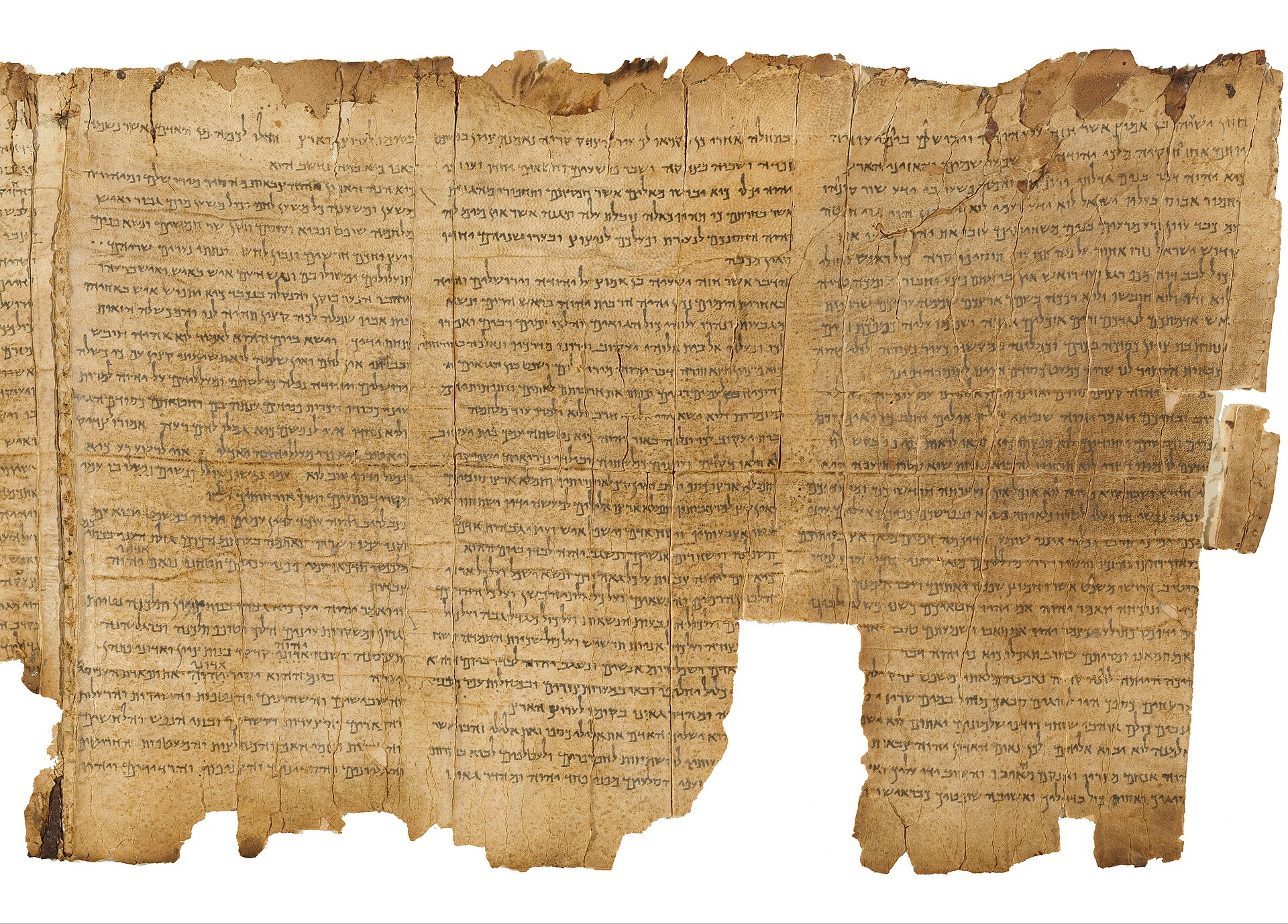
Take Thee A Roll Of A Book
“And it came to pass in the fourth year of Jehoiakim the son of Josiah king of Judah, that this word came unto Jeremiah from the LORD, saying, Take thee a roll of a book, and write therein all the words that I have spoken unto thee against Israel, and against Judah, and against all the nations, from the day I spake unto thee, from the days of Josiah, even unto this day. It may be that the house of Judah will hear all the evil which I purpose to do unto them; that they may return every man from his evil way; that I may forgive their iniquity and their sin.”
Jeremiah 36:1-3
This is the same year as chapter 25, the year Nebuchadnezzar came to power. For twenty-three years Jeremiah had preached. Now God told him to gather all of it into one scroll. The written word would reach people the spoken word had not, and it would last after the prophet was gone.
But look at God’s purpose: “It may be that the house of Judah will hear,” He says, and turn, “that I may forgive their iniquity and their sin.” The scroll was full of warnings, but its goal was forgiveness. God wrote down the bad news so that it would never have to happen.
“God’s plan is not to send messengers who will please and flatter sinners; He delivers no messages of peace to lull the unsanctified into carnal security. Instead, He lays heavy burdens upon the conscience of the wrongdoer and pierces his soul with sharp arrows of conviction.”
Ellen G. White · Prophets and Kings, p. 435
Read In The Ears Of The People
“Then Jeremiah called Baruch the son of Neriah: and Baruch wrote from the mouth of Jeremiah all the words of the LORD, which he had spoken unto him, upon a roll of a book. And Jeremiah commanded Baruch, saying, I am shut up; I cannot go into the house of the LORD: Therefore go thou, and read in the roll, which thou hast written from my mouth, the words of the LORD in the ears of the people in the LORD’s house upon the fasting day:”
Jeremiah 36:4-6
Jeremiah was “shut up,” barred from the temple, probably because of the uproar after his temple sermon. He could not go, but God’s word could. Baruch, a trained scribe from a respected family, wrote as Jeremiah spoke. Then Baruch took the risk of reading it in public.
He waited for the right moment. A year later, “in the ninth month,” a national fast was called, perhaps because Babylon’s army was on the march (36:9). Crowds came to Jerusalem from all over Judah. Baruch read the scroll aloud from a room overlooking the temple court that belonged to “Gemariah the son of Shaphan the scribe” (36:10). That family of Shaphan appears again and again on Jeremiah’s side: Ahikam saved his life, Elasah carried his letter, and now Gemariah lent his room. Archaeologists in Jerusalem have even found a small clay seal impression bearing the name “Gemaryahu son of Shaphan.”
They Were Afraid
“Now it came to pass, when they had heard all the words, they were afraid both one and other, and said unto Baruch, We will surely tell the king of all these words. And they asked Baruch, saying, Tell us now, How didst thou write all these words at his mouth? Then Baruch answered them, He pronounced all these words unto me with his mouth, and I wrote them with ink in the book. Then said the princes unto Baruch, Go, hide thee, thou and Jeremiah; and let no man know where ye be.”
Jeremiah 36:16-19
Gemariah’s son Michaiah heard the reading and ran to tell the royal officials, who were meeting in the palace. They sent for Baruch and had him read it again. And these hardened men of government “were afraid.” They knew this was serious.
Their question is interesting: “How didst thou write all these words at his mouth?” They wanted to know whether this was really Jeremiah’s message or something Baruch had made up. Baruch’s answer is the plainest account of how a book of the Bible was written: “He pronounced all these words unto me with his mouth, and I wrote them with ink in the book.” God gave the words to the prophet; the prophet spoke them; a faithful scribe wrote them down. The officials knew what the king was like. Their advice to Baruch was to hide, along with Jeremiah.
A Fire On The Hearth
“Now the king sat in the winterhouse in the ninth month: and there was a fire on the hearth burning before him. And it came to pass, that when Jehudi had read three or four leaves, he cut it with the penknife, and cast it into the fire that was on the hearth, until all the roll was consumed in the fire that was on the hearth. Yet they were not afraid, nor rent their garments, neither the king, nor any of his servants that heard all these words.”
Jeremiah 36:22-24
It was the ninth month, around December, and the king was warming himself by a brazier of coals in his winter apartment. An official named Jehudi read the scroll aloud. After every “three or four leaves,” three or four columns, the king reached over with his “penknife,” a small blade scribes used to trim their pens, sliced off what had been read, and dropped it into the fire. He did this calmly, column after column, until the whole scroll was gone.
The contrast with his father could not be sharper. When the book of the law was read to King Josiah, “it came to pass, when the king had heard the words of the book of the law, that he rent his clothes” (2 Kings 22:11). God answered Josiah: “Because thine heart was tender, and thou hast humbled thyself before the LORD,” “I also have heard thee” (2 Kings 22:19). Jehoiakim heard words from the same God, and “they were not afraid, nor rent their garments.” The father tore his clothes. The son tore the scroll.
“But King Jehoiakim and his lords, in their arrogance and pride, refused the invitation of God. They would not heed the warning, and repent. The gracious opportunity proffered them at the time of the burning of the sacred roll, was their last.”
Ellen G. White · Prophets and Kings, p. 435
Not everyone in the room agreed. “Elnathan and Delaiah and Gemariah had made intercession to the king that he would not burn the roll: but he would not hear them” (36:25). There are always some who speak up, even in the worst company. But the king could burn a scroll; he could not burn the truth it contained.
People still take a knife to God’s word, though usually not a literal one. We cut out the parts we do not like: a commandment that is inconvenient, a warning that is uncomfortable, a teaching that goes against the culture. Revelation warns against both adding to and taking away from “the words of the book of this prophecy” (Revelation 22:19). The question for every reader is not whether we like what is written, but whether we will tremble at it as Josiah did.
But The LORD Hid Them
“But the king commanded Jerahmeel the son of Hammelech, and Seraiah the son of Azriel, and Shelemiah the son of Abdeel, to take Baruch the scribe and Jeremiah the prophet: but the LORD hid them.”
Jeremiah 36:26
Burning the scroll was not enough for Jehoiakim. He wanted the men who wrote it. This was the king who had already hunted down the prophet Urijah in Egypt and killed him (26:23). But four words end the search: “but the LORD hid them.” The princes had told them to hide; God made sure they could not be found. When God has more work for His servants, no king can reach them.
Many Like Words
“Then the word of the LORD came to Jeremiah, after that the king had burned the roll, and the words which Baruch wrote at the mouth of Jeremiah, saying, Take thee again another roll, and write in it all the former words that were in the first roll, which Jehoiakim the king of Judah hath burned.”
Jeremiah 36:27, 28
God’s response to the burning is almost humorous in its calm. Write it again. The king had destroyed a piece of leather. He had not touched the word of God. Paul said the same thing from prison centuries later: “I suffer trouble, as an evil doer, even unto bonds; but the word of God is not bound” (2 Timothy 2:9).
“The record of the prophecies concerning Judah and Jerusalem had been reduced to ashes; but the words were still living in the heart of Jeremiah, ‘as a burning fire,’ and the prophet was permitted to reproduce that which the wrath of man would fain have destroyed.”
Ellen G. White · Prophets and Kings, p. 436
“Therefore thus saith the LORD of Jehoiakim king of Judah; He shall have none to sit upon the throne of David: and his dead body shall be cast out in the day to the heat, and in the night to the frost.”
Jeremiah 36:30
The king who threw God’s word into the fire to keep warm would lie unburied in the heat and the frost. It is the same sentence chapter 22 gave him: “buried with the burial of an ass” (22:19). His son Jehoiachin reigned only three months before being taken to Babylon. No son of Jehoiakim ever established a lasting reign.
“Then took Jeremiah another roll, and gave it to Baruch the scribe, the son of Neriah; who wrote therein from the mouth of Jeremiah all the words of the book which Jehoiakim king of Judah had burned in the fire: and there were added besides unto them many like words.”
Jeremiah 36:32
“And there were added besides unto them many like words.” The king’s knife did not shorten the book. It made it longer. That second scroll is the ancestor of the book of Jeremiah we read today, often counted as the longest book in the Bible by number of words. Every attempt to destroy God’s word has ended the same way. “The grass withereth, the flower fadeth: but the word of our God shall stand for ever” (Isaiah 40:8). And Jesus said, “Heaven and earth shall pass away, but my words shall not pass away” (Matthew 24:35).
