Ecclesiastes 7 changes style. After six chapters of searching, Solomon gives a series of “better” sayings: “A good name is better than precious ointment”; “It is better to go to the house of mourning, than to go to the house of feasting”; “the patient in spirit is better than the proud in spirit.” He warns against anger, against longing for “the former days,” and against a proud, self-made righteousness, reminding us that “there is not a just man upon earth, that doeth good, and sinneth not.” And he ends with a confession: “God hath made man upright; but they have sought out many inventions.”
A study in Ecclesiastes 7 · Arthur Baldwin · StandUp4Jesus.Org · 15 min read
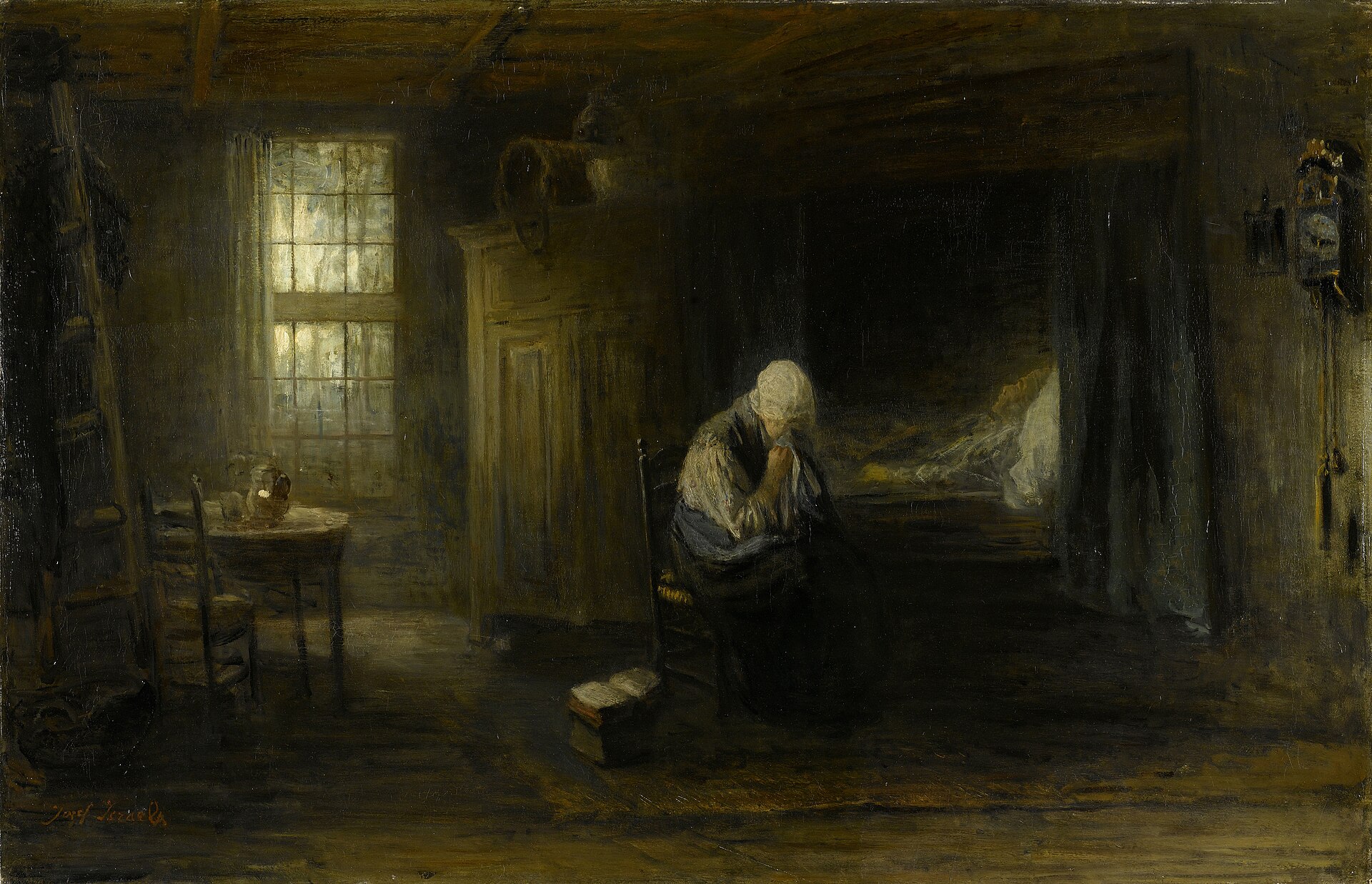
The House Of Mourning
“A good name is better than precious ointment; and the day of death than the day of one’s birth. It is better to go to the house of mourning, than to go to the house of feasting: for that is the end of all men; and the living will lay it to his heart. Sorrow is better than laughter: for by the sadness of the countenance the heart is made better. The heart of the wise is in the house of mourning; but the heart of fools is in the house of mirth. It is better to hear the rebuke of the wise, than for a man to hear the song of fools. For as the crackling of thorns under a pot, so is the laughter of the fool: this also is vanity.”
Ecclesiastes 7:1-6
“A good name is better than precious ointment.” In Hebrew there is a play on words: shem (name) and shemen (ointment). Perfume was costly and prized, and its fragrance filled a room. But a good name, a reputation for integrity built over a lifetime, is worth more, and its fragrance lasts longer.
“The storm of temptation will sweep over the building, and unless it is firmly and faithfully constructed it will not stand the test. A good name is more precious than gold.”
Ellen G. White · Testimonies for the Church, vol. 4, p. 588
Then come some of the most surprising sayings in Scripture. “The day of death than the day of one’s birth.” “It is better to go to the house of mourning, than to go to the house of feasting.” “Sorrow is better than laughter.” Solomon is not praising gloom. He is saying that funerals teach what parties cannot. At a feast, we forget. In the house of mourning, “the living will lay it to his heart.” We remember that life is short, that “that is the end of all men,” and we think about what really matters.
“By the sadness of the countenance the heart is made better.” Grief, rightly received, deepens and softens us. The fool’s laughter, by contrast, is “as the crackling of thorns under a pot”: loud, bright, and quickly burned out, with no lasting heat. Jesus pronounced a blessing on those who mourn (Matthew 5:4), because God meets them there.
The Patient In Spirit
“Surely oppression maketh a wise man mad; and a gift destroyeth the heart. Better is the end of a thing than the beginning thereof: and the patient in spirit is better than the proud in spirit. Be not hasty in thy spirit to be angry: for anger resteth in the bosom of fools. Say not thou, What is the cause that the former days were better than these? for thou dost not enquire wisely concerning this. Wisdom is good with an inheritance: and by it there is profit to them that see the sun. For wisdom is a defence, and money is a defence: but the excellency of knowledge is, that wisdom giveth life to them that have it. Consider the work of God: for who can make that straight, which he hath made crooked? In the day of prosperity be joyful, but in the day of adversity consider: God also hath set the one over against the other, to the end that man should find nothing after him.”
Ecclesiastes 7:7-14
These verses are a small handbook of character. Even a wise man can be driven “mad” by oppression, or corrupted by a bribe: “a gift destroyeth the heart.” “Better is the end of a thing than the beginning thereof”: things are judged by how they finish, not how they start. Solomon, who began so well and ended so badly, knew this painfully. “The patient in spirit is better than the proud in spirit.” And “be not hasty in thy spirit to be angry: for anger resteth in the bosom of fools.” Quick anger is a sign of a foolish heart; patience is a sign of a humble one.
“Say not thou, What is the cause that the former days were better than these?” Nostalgia can be a quiet form of complaint against God’s providence. Every age has had its trials. Instead of longing for the past, the wise man asks what God wants of him today.
And in every season: “In the day of prosperity be joyful, but in the day of adversity consider.” Enjoy the good days with thanksgiving. When hard days come, stop and think; they have lessons too. God “hath set the one over against the other.” Both good and hard days come from the same wise hand.
Be Not Righteous Over Much
“All things have I seen in the days of my vanity: there is a just man that perisheth in his righteousness, and there is a wicked man that prolongeth his life in his wickedness. Be not righteous over much; neither make thyself over wise: why shouldest thou destroy thyself? Be not over much wicked, neither be thou foolish: why shouldest thou die before thy time? It is good that thou shouldest take hold of this; yea, also from this withdraw not thine hand: for he that feareth God shall come forth of them all. Wisdom strengtheneth the wise more than ten mighty men which are in the city. For there is not a just man upon earth, that doeth good, and sinneth not. Also take no heed unto all words that are spoken; lest thou hear thy servant curse thee: For oftentimes also thine own heart knoweth that thou thyself likewise hast cursed others.”
Ecclesiastes 7:15-22
“Be not righteous over much.” Some have read this as permission to be only moderately good. But the rest of Scripture forbids that reading: “Be ye holy; for I am holy” (1 Peter 1:16). Solomon is warning against something else: a self-made, showy righteousness that is really pride. It is the righteousness of the Pharisee who “trusted in themselves that they were righteous, and despised others” (Luke 18:9), a righteousness that sets itself up as wiser than God and ends by destroying itself.
Nor does he recommend a little wickedness. “Be not over much wicked, neither be thou foolish.” The safe path is not a middle road between pride and sin. It is the fear of God: “he that feareth God shall come forth of them all.”
And the reason no one should boast of his own righteousness: “there is not a just man upon earth, that doeth good, and sinneth not.” Paul quotes the same truth: “There is none righteous, no, not one” (Romans 3:10). That is why the only righteousness that saves is Christ’s, not ours. And it is why we should not be too sensitive to what others say about us. If we overhear someone speaking ill of us, “thine own heart knoweth that thou thyself likewise hast cursed others.”
God Hath Made Man Upright
“All this have I proved by wisdom: I said, I will be wise; but it was far from me. That which is far off, and exceeding deep, who can find it out? I applied mine heart to know, and to search, and to seek out wisdom, and the reason of things, and to know the wickedness of folly, even of foolishness and madness: And I find more bitter than death the woman, whose heart is snares and nets, and her hands as bands: whoso pleaseth God shall escape from her; but the sinner shall be taken by her. Behold, this have I found, saith the preacher, counting one by one, to find out the account: Which yet my soul seeketh, but I find not: one man among a thousand have I found; but a woman among all those have I not found. Lo, this only have I found, that God hath made man upright; but they have sought out many inventions.”
Ecclesiastes 7:23-29
These verses need to be read carefully, because they are sometimes misused. “I find more bitter than death the woman, whose heart is snares and nets.” Solomon is not describing women in general. He is describing a particular kind of woman, the seductress his own book of Proverbs warns against again and again (Proverbs 5-7), and he is describing his own experience with her. “Whoso pleaseth God shall escape from her; but the sinner shall be taken by her.” Solomon had been taken.
Then comes the verse most often misread: “one man among a thousand have I found; but a woman among all those have I not found.” Remember who is speaking. Solomon “had seven hundred wives, princesses, and three hundred concubines: and his wives turned away his heart” (1 Kings 11:3). Among the thousand women he had gathered for himself, he found not one true companion. That is not a verdict on womanhood. It is a confession of what he had chosen. He had filled his palace with women chosen for beauty and political alliance, not for faith.
“Beautiful and attractive women were brought from Egypt, Phoenicia, Edom, and Moab, and from many other places. These women were numbered by hundreds. Their religion was idol worship, and they had been taught to practice cruel and degrading rites. Infatuated with their beauty, the king neglected his duties to God and to his kingdom.”
Ellen G. White · Prophets and Kings, p. 56
Scripture itself gives the other side. The same book of Proverbs closes with a portrait of “a virtuous woman,” whose “price is far above rubies,” who “feareth the LORD” and whose husband and children call her blessed (Proverbs 31:10-31). And Solomon found only “one man among a thousand” worth trusting too. His real conclusion is about all of humanity, men and women alike.
“Lo, this only have I found, that God hath made man upright; but they have sought out many inventions.” The word “man” here is adam, humanity. God created us good and upright. Everything wrong with us came from our own choices, our “many inventions,” our schemes to find life apart from Him. Solomon had invented plenty of them.
“God made man upright, perfectly holy and happy; but he lost the divine favor and destroyed his own happiness by disobedience to the Father’s law. The sin of Adam plunged the race in hopeless misery and despair. But God, in His wonderful, pitying love, did not leave men to perish in their hopeless, fallen condition. He gave His well-beloved Son for their salvation.”
Ellen G. White · Testimonies for the Church, vol. 4, p. 293
