1 Peter 5 closes the letter with a word to the church’s leaders and then to everyone. Elders are to “feed the flock of God” willingly, not for money and not as lords, but as examples, looking for the day “when the chief Shepherd shall appear.” Everyone else is to be clothed with humility and cast every care on God. Then Peter warns of the adversary who walks about “as a roaring lion,” and ends with a prayer that the God of all grace will “make you perfect, stablish, strengthen, settle you.”
A study in 1 Peter 5 · Arthur Baldwin · StandUp4Jesus.Org · 13 min read
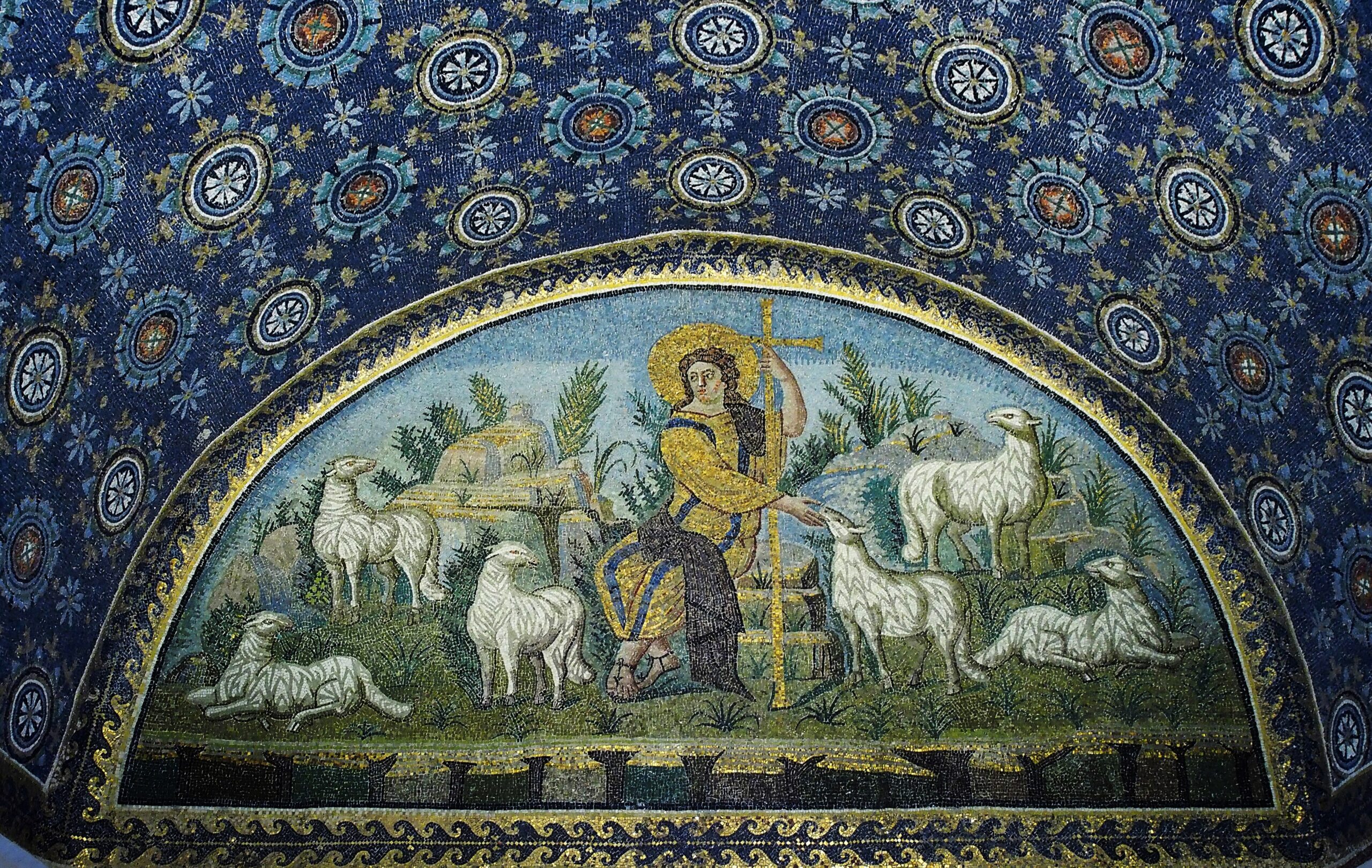
Feed The Flock Of God
“The elders which are among you I exhort, who am also an elder, and a witness of the sufferings of Christ, and also a partaker of the glory that shall be revealed: Feed the flock of God which is among you, taking the oversight thereof, not by constraint, but willingly; not for filthy lucre, but of a ready mind; Neither as being lords over God’s heritage, but being ensamples to the flock. And when the chief Shepherd shall appear, ye shall receive a crown of glory that fadeth not away.”
1 Peter 5:1-4
Peter could have written with the full weight of his apostleship. Instead he writes as “also an elder,” a fellow worker beside the elders of the churches. He had been “a witness of the sufferings of Christ,” and he expected to be “a partaker of the glory that shall be revealed.” But he does not set himself above them.
“Feed the flock of God” echoes the words Jesus spoke to him by the Sea of Galilee after the resurrection: “Feed my lambs… Feed my sheep” (John 21:15-17). The man who had denied his Lord three times was restored three times, and given the care of Christ’s flock. He never forgot the lesson, and he never claimed that it made him ruler over the other apostles.
“Peter had been restored to his apostleship, but the honor and authority he received from Christ had not given him supremacy over his brethren.”
Ellen G. White · The Desire of Ages, p. 817
The flock belongs to God, not to the elder. It is “the flock of God,” and the believers are “God’s heritage.” The shepherd is a steward, and Peter names three ways a steward can go wrong. He can serve “by constraint,” as a burden he resents, instead of “willingly.” He can serve “for filthy lucre,” for what he gets out of it, instead of “of a ready mind.” And he can serve as a lord, driving the flock by authority, instead of leading it by example.
“Those who occupy the position of undershepherds are to exercise a watchful diligence over the Lord’s flock. This is not to be a dictatorial vigilance, but one that tends to encourage and strengthen and uplift.”
Ellen G. White · The Acts of the Apostles, p. 526
Every elder is an under-shepherd. There is only one “chief Shepherd,” and He will return. When He does, faithful shepherds will receive “a crown of glory that fadeth not away.” Earthly honours wither like the victor’s wreath of leaves at the ancient games. This crown does not.
Be Clothed With Humility
“Likewise, ye younger, submit yourselves unto the elder. Yea, all of you be subject one to another, and be clothed with humility: for God resisteth the proud, and giveth grace to the humble. Humble yourselves therefore under the mighty hand of God, that he may exalt you in due time: Casting all your care upon him; for he careth for you.”
1 Peter 5:5-7
The younger members are to respect the leadership of the elders. But Peter immediately widens the command: “all of you be subject one to another.” Humility is not only for those at the bottom. It is for everyone, leaders included.
“Be clothed with humility.” The word Peter uses refers to a slave’s apron, tied on for work. Peter may have been remembering the night Jesus “took a towel, and girded himself” and washed the disciples’ feet, including his own (John 13:4-5). Christian humility is not thinking poorly of yourself. It is putting on the apron and serving.
“To be clothed with humility does not mean that we are to be dwarfs in intellect, deficient in aspiration, and cowardly in our lives, shunning burdens lest we fail to carry them successfully. Real humility fulfills God’s purposes by depending upon His strength.”
Ellen G. White · Christ’s Object Lessons, p. 363
“God resisteth the proud, and giveth grace to the humble” (quoting Proverbs 3:34, as James 4:6 does). The proud try to lift themselves up. The humble put themselves “under the mighty hand of God” and let Him lift them up “in due time,” His time, not theirs.
And humility includes trusting Him with our worries. “Casting all your care upon him; for he careth for you.” Pride insists on carrying its own burdens. Humility admits that we cannot, and hands them to the One who can. The reason is simple and personal: “he careth for you.”
As A Roaring Lion
“Be sober, be vigilant; because your adversary the devil, as a roaring lion, walketh about, seeking whom he may devour: Whom resist stedfast in the faith, knowing that the same afflictions are accomplished in your brethren that are in the world.”
1 Peter 5:8-9
Casting our care on God does not mean becoming careless. “Be sober, be vigilant.” Peter knew what it was to fall asleep when he should have watched. In Gethsemane Jesus had said to him, “Simon, sleepest thou? couldest not thou watch one hour?” (Mark 14:37). A few hours later he denied his Lord.
The devil is real, and he is an “adversary,” an opponent in a lawsuit, the accuser of the brethren (Revelation 12:10). He “walketh about, seeking whom he may devour.” A lion roars to terrify its prey, and it looks for the straggler, the one who has wandered from the flock. The persecution Peter’s readers faced was one of the ways the lion roared.
“The more nearly the Christian imitates the divine Pattern, the more surely will he make himself a mark for the attacks of Satan.”
Ellen G. White · The Great Controversy, p. 510
But the lion can be resisted. “Whom resist stedfast in the faith.” Not in our own strength, but standing firm in trust in God, as Jesus did in the wilderness with “It is written.” Daniel was thrown to real lions, and God “shut the lions’ mouths” (Daniel 6:22). And the believer is not alone: “the same afflictions are accomplished in your brethren that are in the world.” Suffering Christians everywhere belong to one family.
The God Of All Grace
“But the God of all grace, who hath called us unto his eternal glory by Christ Jesus, after that ye have suffered a while, make you perfect, stablish, strengthen, settle you. To him be glory and dominion for ever and ever. Amen. By Silvanus, a faithful brother unto you, as I suppose, I have written briefly, exhorting, and testifying that this is the true grace of God wherein ye stand. The church that is at Babylon, elected together with you, saluteth you; and so doth Marcus my son. Greet ye one another with a kiss of charity. Peace be with you all that are in Christ Jesus. Amen.”
1 Peter 5:10-14
The letter ends as it began, with grace (1:2). Suffering is real, but it lasts only “a while.” God’s calling is “unto his eternal glory.” And Peter prays that God Himself will “make you perfect, stablish, strengthen, settle you”: complete what is lacking, set you on a firm footing, give you strength, and ground you like a house on a foundation.
“Many had already become partakers of Christ’s sufferings, and soon the church was to undergo a period of terrible persecution. Within a few brief years many of those who had stood as teachers and leaders in the church were to lay down their lives for the gospel. Soon grievous wolves were to enter in, not sparing the flock. But none of these things were to bring discouragement to those whose hopes were centered in Christ.”
Ellen G. White · The Acts of the Apostles, p. 528
Peter wrote “by Silvanus,” the Silas who travelled with Paul (Acts 15:40), probably as the secretary who helped put the letter into polished Greek. He sums up his whole purpose in one line: “testifying that this is the true grace of God wherein ye stand.”
“The church that is at Babylon” is most likely a veiled name for Rome, the city where Peter closed his ministry. Revelation uses the same name for the power that persecutes God’s people (Revelation 17:5-6; 18:24). “Marcus my son” is John Mark, who once turned back from missionary work (Acts 13:13) and was later restored to usefulness (2 Timothy 4:11). Early tradition says his Gospel preserves Peter’s preaching. Peter, who had failed and been restored, had become a spiritual father to another who had failed and been restored.
Not long after, Peter faced his own fiery trial. Jesus had told him by the lake that when he was old another would “carry thee whither thou wouldest not” (John 21:18). In Rome, under Nero, it came true.
“Once so unready to acknowledge the cross, he now counted it a joy to yield up his life for the gospel, feeling only that, for him who had denied his Lord, to die in the same manner as his Master died was too great an honor.”
Ellen G. White · The Acts of the Apostles, p. 537
The man who wrote “think it not strange concerning the fiery trial” had learned it himself. And his last word to the church echoes the greeting of the risen Christ in the upper room, “Peace be unto you” (John 20:19): “Peace be with you all that are in Christ Jesus. Amen.”