1 John 1 opens with an eyewitness. John had heard Jesus, seen Him, looked upon Him, and touched Him with his own hands, and he writes so that his readers may share the fellowship he has “with the Father, and with his Son Jesus Christ.” Then comes the message at the heart of the chapter: “God is light, and in him is no darkness at all.” Walking in that light means neither pretending we have no sin nor staying in it, but confessing it to the One who is “faithful and just to forgive us our sins, and to cleanse us from all unrighteousness.”
A study in 1 John 1 · Arthur Baldwin · StandUp4Jesus.Org · 11 min read
That Which We Have Seen And Heard
“That which was from the beginning, which we have heard, which we have seen with our eyes, which we have looked upon, and our hands have handled, of the Word of life; (For the life was manifested, and we have seen it, and bear witness, and shew unto you that eternal life, which was with the Father, and was manifested unto us;) That which we have seen and heard declare we unto you, that ye also may have fellowship with us: and truly our fellowship is with the Father, and with his Son Jesus Christ. And these things write we unto you, that your joy may be full.”
1 John 1:1-4
John’s Gospel begins, “In the beginning was the Word.” His letter begins almost the same way: “That which was from the beginning… of the Word of life.” The One John writes about did not begin at Bethlehem. He “was with the Father” from eternity. And yet this eternal One “was manifested.” He became a man whom John could hear, see, study, and touch.
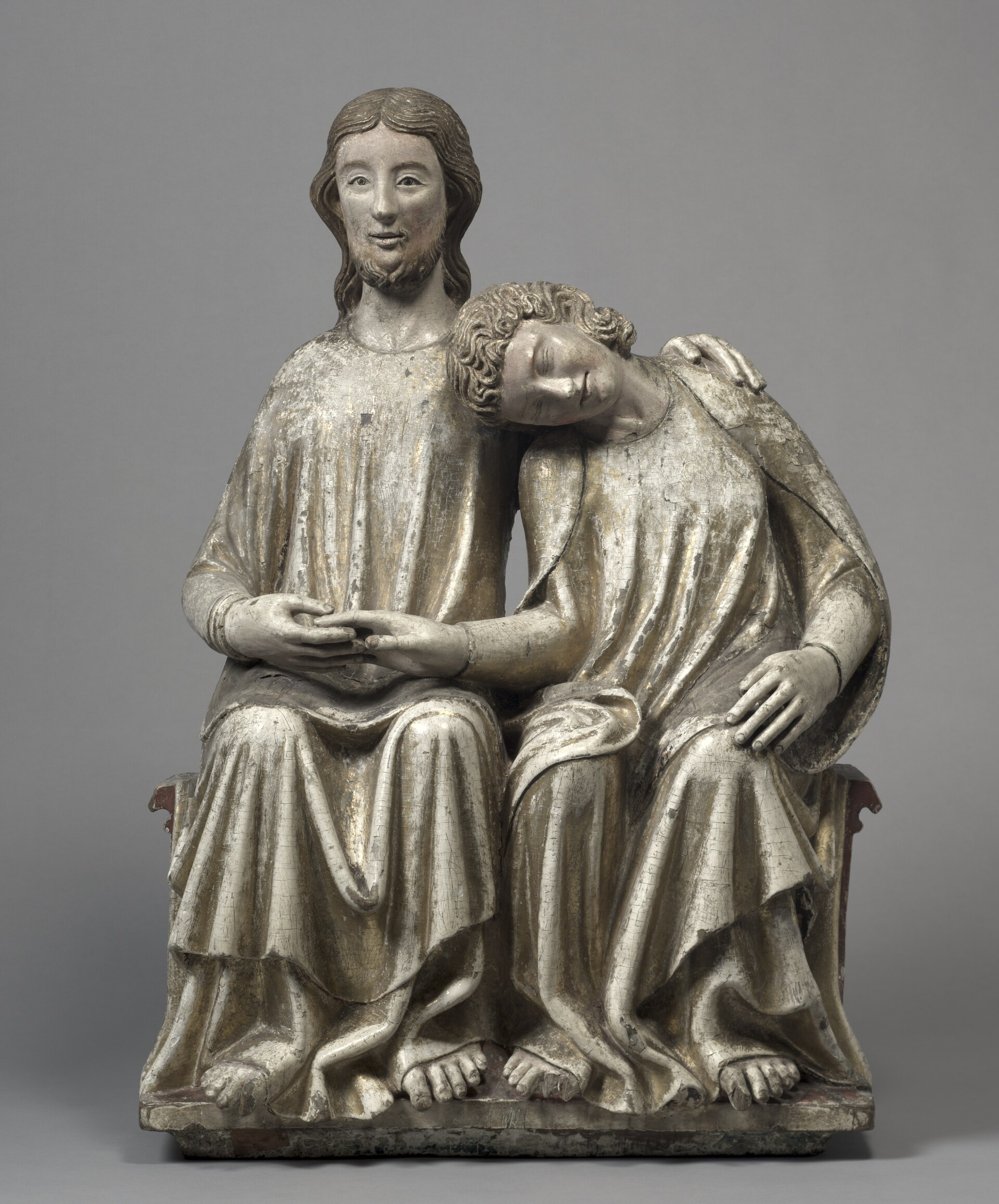
John piles up the senses on purpose: “heard,” “seen with our eyes,” “looked upon,” “our hands have handled.” Some teachers in his day were saying that Christ only seemed to have a body, that God could never truly take human flesh. John answers as a witness. He had leaned on that breast at the Last Supper (John 13:23). He had touched the risen Lord. The Son of God had come in real flesh.
“As a witness for Christ, John entered into no controversy, no wearisome contention. He declared what he knew, what he had seen and heard. He had been intimately associated with Christ, had listened to His teachings, had witnessed His mighty miracles. Few could see the beauties of Christ’s character as John saw them.”
Ellen G. White · The Acts of the Apostles, p. 555
Why does John tell it? “That ye also may have fellowship with us: and truly our fellowship is with the Father, and with his Son Jesus Christ.” The word means sharing, a common life. The believers who never saw Jesus can share the same life with God that the apostles had. And the result is joy: “that your joy may be full.”
God Is Light
“This then is the message which we have heard of him, and declare unto you, that God is light, and in him is no darkness at all. If we say that we have fellowship with him, and walk in darkness, we lie, and do not the truth: But if we walk in the light, as he is in the light, we have fellowship one with another, and the blood of Jesus Christ his Son cleanseth us from all sin.”
1 John 1:5-7
“God is light, and in him is no darkness at all.” Light in Scripture stands for truth, purity and holiness. There is nothing hidden in God, nothing false, nothing impure. And light exposes. Whatever is brought near it is seen for what it is.
So a claim to fellowship with God means nothing if a person keeps walking in darkness. “If we say that we have fellowship with him, and walk in darkness, we lie, and do not the truth.” Notice that John says we “do not the truth.” Truth is something to be done, not only believed. Walking in the light means living by all the light God has given, and following it as it grows.
“It is the first and highest duty of every rational being to learn from the Scriptures what is truth, and then to walk in the light and encourage others to follow his example.”
Ellen G. White · The Great Controversy, p. 598
Walking in the light does not mean we have already reached perfection. It means we are moving toward God, not hiding from Him. And for those who walk that way, John gives two promises. “We have fellowship one with another,” and “the blood of Jesus Christ his Son cleanseth us from all sin.” The same light that shows us our sin shows us the cleansing too.
Centuries later, in the dark days before the Reformation, the Waldensian missionaries carried hand-copied portions of Scripture into homes where people knew God only as a stern judge. One verse more than any other the listeners asked to hear again and again.
“It was often the case that some portion of Scripture was read again and again, the hearer desiring it to be repeated, as if he would assure himself that he had heard aright. Especially was the repetition of these words eagerly desired: ‘The blood of Jesus Christ His Son cleanseth us from all sin.’ 1 John 1:7.”
Ellen G. White · The Great Controversy, p. 73
If We Confess Our Sins
“If we say that we have no sin, we deceive ourselves, and the truth is not in us. If we confess our sins, he is faithful and just to forgive us our sins, and to cleanse us from all unrighteousness. If we say that we have not sinned, we make him a liar, and his word is not in us.”
1 John 1:8-10
John now names two opposite errors. The first is to say “we have no sin,” to claim that we have reached a state where sin no longer touches us. The second is to say “we have not sinned,” to deny that we were ever sinners at all. Both are self-deception. The first deceives ourselves. The second does worse: it makes God “a liar,” because His word says all have sinned.
Notice that John says “we.” The aged apostle, the disciple whom Jesus loved, does not place himself above his readers. The closer a believer comes to Christ, the more clearly he sees his own need.
“Let those who feel inclined to make a high profession of holiness look into the mirror of God’s law. As they see its far-reaching claims, and understand its work as a discerner of the thoughts and intents of the heart, they will not boast of sinlessness.”
Ellen G. White · The Acts of the Apostles, p. 562
Between the two errors stands one of the most comforting promises in the Bible: “If we confess our sins, he is faithful and just to forgive us our sins, and to cleanse us from all unrighteousness.” Confession means agreeing with God about our sin, calling it what He calls it. And the promise is double. He will “forgive,” removing the guilt, and He will “cleanse,” removing the stain.
God is “faithful,” because He keeps His promise. And He is “just,” because the penalty has already been paid. When a repentant sinner confesses, forgiveness is not a favour God grants reluctantly. It is what justice requires, because the blood of Christ has covered the debt. The confession is made to God Himself, through Christ, with no human go-between required.
“The conditions of obtaining mercy from God are simple and reasonable. The Lord does not require us to do some grievous thing in order to gain forgiveness. We need not make long and wearisome pilgrimages, or perform painful penances, to commend our souls to the God of heaven or to expiate our transgression.”
Ellen G. White · The Acts of the Apostles, p. 552
God is light. That light exposes our sin, and it also shows us the way home. The one who walks in it will never be able to say “I have no sin.” But he will always be able to say, “The blood of Jesus Christ his Son cleanseth us from all sin.”