Hebrews ends, like most of Paul’s letters, with practical counsel for daily life: brotherly love, hospitality, care for prisoners, faithfulness in marriage, contentment instead of greed. At its centre stands one unchanging truth: “Jesus Christ the same yesterday, and to day, and for ever.” Because He suffered “without the gate,” we are called to go out to Him, bearing His reproach, seeking the city to come. And the letter closes with one of the richest benedictions in Scripture, to “the God of peace, that brought again from the dead our Lord Jesus, that great shepherd of the sheep.”
A study in Hebrews 13 · Arthur Baldwin · StandUp4Jesus.Org · 18 min read
Let Brotherly Love Continue
“Let brotherly love continue. Be not forgetful to entertain strangers: for thereby some have entertained angels unawares. Remember them that are in bonds, as bound with them; and them which suffer adversity, as being yourselves also in the body. Marriage is honourable in all, and the bed undefiled: but whoremongers and adulterers God will judge.”
Hebrews 13:1-4
The chapter begins simply: “Let brotherly love continue.” These believers had shown love before (6:10; 10:33-34). Under pressure, love can grow cold. Keep it going.
Love reaches outward in hospitality. “Be not forgetful to entertain strangers: for thereby some have entertained angels unawares.” Abraham did exactly that when three travellers appeared at his tent (Genesis 18), and so did Lot at Sodom’s gate (Genesis 19).
“These acts of courtesy God thought of sufficient importance to record in His word; and more than a thousand years later they were referred to by an inspired apostle: ‘Be not forgetful to entertain strangers: for thereby some have entertained angels unawares.’ Hebrews 13:2. The privilege granted Abraham and Lot is not denied to us. By showing hospitality to God’s children we, too, may receive His angels into our dwellings.”
Ellen G. White · Testimonies for the Church, vol. 6, p. 342
Love reaches into prisons: “Remember them that are in bonds, as bound with them.” Many early Christians were imprisoned for their faith. Remember them as if you were in the cell beside them. And love guards the home: “Marriage is honourable in all, and the bed undefiled.” Marriage is God’s gift, given in Eden before sin entered the world, and sexual faithfulness within it is sacred.
“‘Marriage is honorable’ (Hebrews 13:4); it was one of the first gifts of God to man, and it is one of the two institutions that, after the Fall, Adam brought with him beyond the gates of Paradise.”
Ellen G. White · Patriarchs and Prophets, p. 46
Marriage has a companion from Eden: the Sabbath (Genesis 2:1-3). Both were given at creation, before sin, for all humanity.
“The Sabbath and the family were alike instituted in Eden, and in God’s purpose they are indissolubly linked together.”
Ellen G. White · Education, p. 250
I Will Never Leave Thee
“Let your conversation be without covetousness; and be content with such things as ye have: for he hath said, I will never leave thee, nor forsake thee. So that we may boldly say, The Lord is my helper, and I will not fear what man shall do unto me.”
Hebrews 13:5-6
“Conversation” in the King James Version means one’s whole way of life. Let it be free from the love of money. Why can we be content with what we have? Because we have Him: “I will never leave thee, nor forsake thee.” These believers had already lost property for their faith (10:34). The writer does not promise them it will be restored. He promises something better: God’s presence, which no one can take away. And so “we may boldly say, The Lord is my helper, and I will not fear what man shall do unto me” (Psalm 118:6).
The Same Yesterday, And To Day, And For Ever
“Remember them which have the rule over you, who have spoken unto you the word of God: whose faith follow, considering the end of their conversation. Jesus Christ the same yesterday, and to day, and for ever. Be not carried about with divers and strange doctrines. For it is a good thing that the heart be established with grace; not with meats, which have not profited them that have been occupied therein.”
Hebrews 13:7-9
“Remember them which have the rule over you, who have spoken unto you the word of God.” These were the church’s first leaders, probably now dead, who had brought them the gospel. “Considering the end of their conversation” — look at how their lives ended, faithful to the last — and follow their faith.
Leaders come and go. But “Jesus Christ the same yesterday, and to day, and for ever.” The Jesus of their first leaders is the Jesus of today. The Jesus of the Gospels is the Jesus who ministers now in the heavenly sanctuary, and the Jesus who will come again. He does not change, and neither does His truth. That is why the warning follows: “Be not carried about with divers and strange doctrines.” Believers are not to be blown around by every new idea.
“Man may change his relation to God by complying with the conditions upon which he may be brought into the divine favor, or he may, by his own action, place himself outside the favoring condition; but the Lord is the same ‘yesterday, and today, and forever.’ Hebrews 13:8.”
Ellen G. White · Patriarchs and Prophets, p. 630
The “meats” of verse 9 are the sacrificial meals and ritual food regulations of the old system, which some were urging on the church as a means of grace. The heart is strengthened by grace, not by ceremonial eating. (This is not about the clean and unclean foods of Leviticus 11, which concern health and holiness, not ritual.)
Without The Camp
“We have an altar, whereof they have no right to eat which serve the tabernacle. For the bodies of those beasts, whose blood is brought into the sanctuary by the high priest for sin, are burned without the camp. Wherefore Jesus also, that he might sanctify the people with his own blood, suffered without the gate. Let us go forth therefore unto him without the camp, bearing his reproach. For here have we no continuing city, but we seek one to come. By him therefore let us offer the sacrifice of praise to God continually, that is, the fruit of our lips giving thanks to his name. But to do good and to communicate forget not: for with such sacrifices God is well pleased.”
Hebrews 13:10-16
“We have an altar.” In context, this altar is not a table in a church building. It is the cross, where Christ offered Himself. Those who cling to the earthly tabernacle have no share in it.
On the Day of Atonement, the bodies of the animals whose blood was carried into the most holy place were burned “without the camp” (Leviticus 16:27). In the same way, Jesus “suffered without the gate,” outside Jerusalem’s walls.
“‘That He might sanctify the people with His own blood,’ Christ ‘suffered without the gate.’ Hebrews 13:12. For transgression of the law of God, Adam and Eve were banished from Eden. Christ, our substitute, was to suffer without the boundaries of Jerusalem. He died outside the gate, where felons and murderers were executed.”
Ellen G. White · The Desire of Ages, p. 741
“Let us go forth therefore unto him without the camp, bearing his reproach.” For these Jewish believers, following Jesus meant leaving behind the respectability of the temple and the approval of their community. It meant sharing His rejection. And it still does. But “here have we no continuing city, but we seek one to come” — the same city Abraham looked for (11:10).
The animal sacrifices are finished. But believers still offer sacrifices: “the sacrifice of praise to God continually,” and the sacrifices of doing good and sharing with others. “With such sacrifices God is well pleased.”
That Great Shepherd Of The Sheep
“Obey them that have the rule over you, and submit yourselves: for they watch for your souls, as they that must give account, that they may do it with joy, and not with grief: for that is unprofitable for you. Pray for us: for we trust we have a good conscience, in all things willing to live honestly. But I beseech you the rather to do this, that I may be restored to you the sooner.”
Hebrews 13:17-19
Verse 7 spoke of past leaders; verse 17 speaks of present ones. Faithful church leaders “watch for your souls, as they that must give account.” Cooperating with them makes their work a joy rather than a grief. And the writer asks for prayer for himself.
“Now the God of peace, that brought again from the dead our Lord Jesus, that great shepherd of the sheep, through the blood of the everlasting covenant, Make you perfect in every good work to do his will, working in you that which is wellpleasing in his sight, through Jesus Christ; to whom be glory for ever and ever. Amen.”
Hebrews 13:20-21
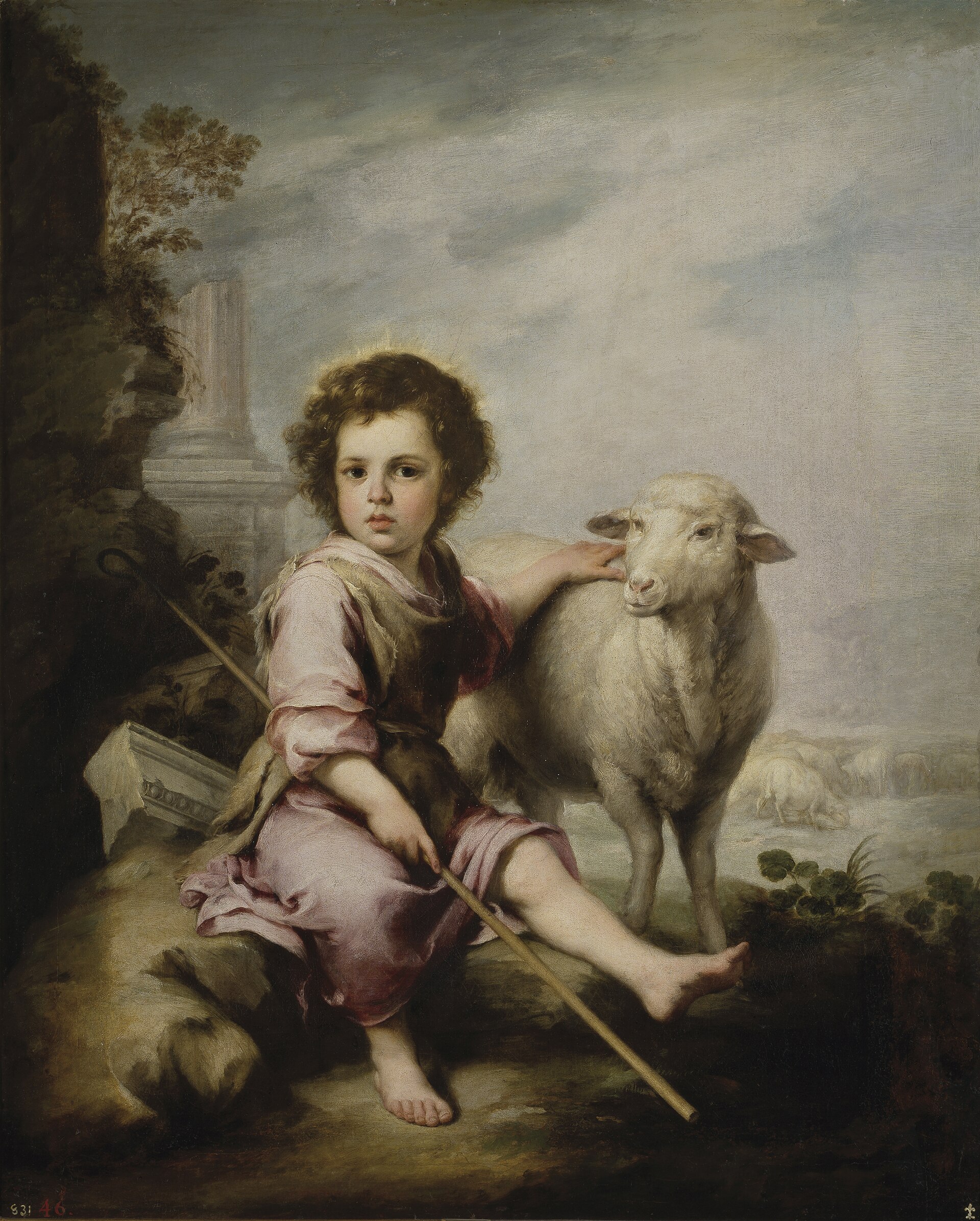
This benediction gathers up the whole letter. God is “the God of peace.” He “brought again from the dead our Lord Jesus,” the only explicit mention of Christ’s resurrection in Hebrews, though the whole letter depends on it. Jesus is “that great shepherd of the sheep,” the One who leads, feeds and protects His flock. And it is all “through the blood of the everlasting covenant.”
And notice who does the work: God will “make you perfect in every good work to do his will, working in you that which is wellpleasing in his sight.” This is the new covenant in action. We do His will, but He is the One working in us.
“He wrote to them as men and women who were striving against temptation and who were in danger of falling. He pointed them to ‘the God of peace, that brought again from the dead our Lord Jesus, that Great Shepherd of the sheep.’ He assured them that ‘through the blood of the everlasting covenant’ He will ‘make you perfect in every good work to do His will, working in you that which is well pleasing in His sight, through Jesus Christ.’ Hebrews 13:20, 21.”
Ellen G. White · The Ministry of Healing, p. 167
“And I beseech you, brethren, suffer the word of exhortation: for I have written a letter unto you in few words. Know ye that our brother Timothy is set at liberty; with whom, if he come shortly, I will see you. Salute all them that have the rule over you, and all the saints. They of Italy salute you. Grace be with you all. Amen.”
Hebrews 13:22-25
The writer calls his letter “the word of exhortation” and says, perhaps with a smile, that he has written “in few words.” Timothy, Paul’s companion, has been released from prison. Greetings come from “they of Italy.” And the letter ends as all of Paul’s do: “Grace be with you all.”
So Hebrews closes where it began: with Jesus. God spoke in these last days by His Son (1:2). That Son made purification for sins and sat down at God’s right hand (1:3). He is our merciful High Priest, ministering in the true tabernacle. He offered Himself once for all. He will appear the second time without sin unto salvation. And He is the same yesterday, and to day, and for ever. “Looking unto Jesus,” we can run the race to the end.
