Ecclesiastes 5 turns from the marketplace to the house of God. “Keep thy foot when thou goest to the house of God, and be more ready to hear, than to give the sacrifice of fools.” Solomon counsels reverence, few words before God, and faithfulness in keeping vows. Then he returns to riches: “He that loveth silver shall not be satisfied with silver,” and the rich man leaves the world as naked as he came. The chapter ends where the Preacher keeps ending: the power to enjoy what we have “is the gift of God.”
A study in Ecclesiastes 5 · Arthur Baldwin · StandUp4Jesus.Org · 13 min read
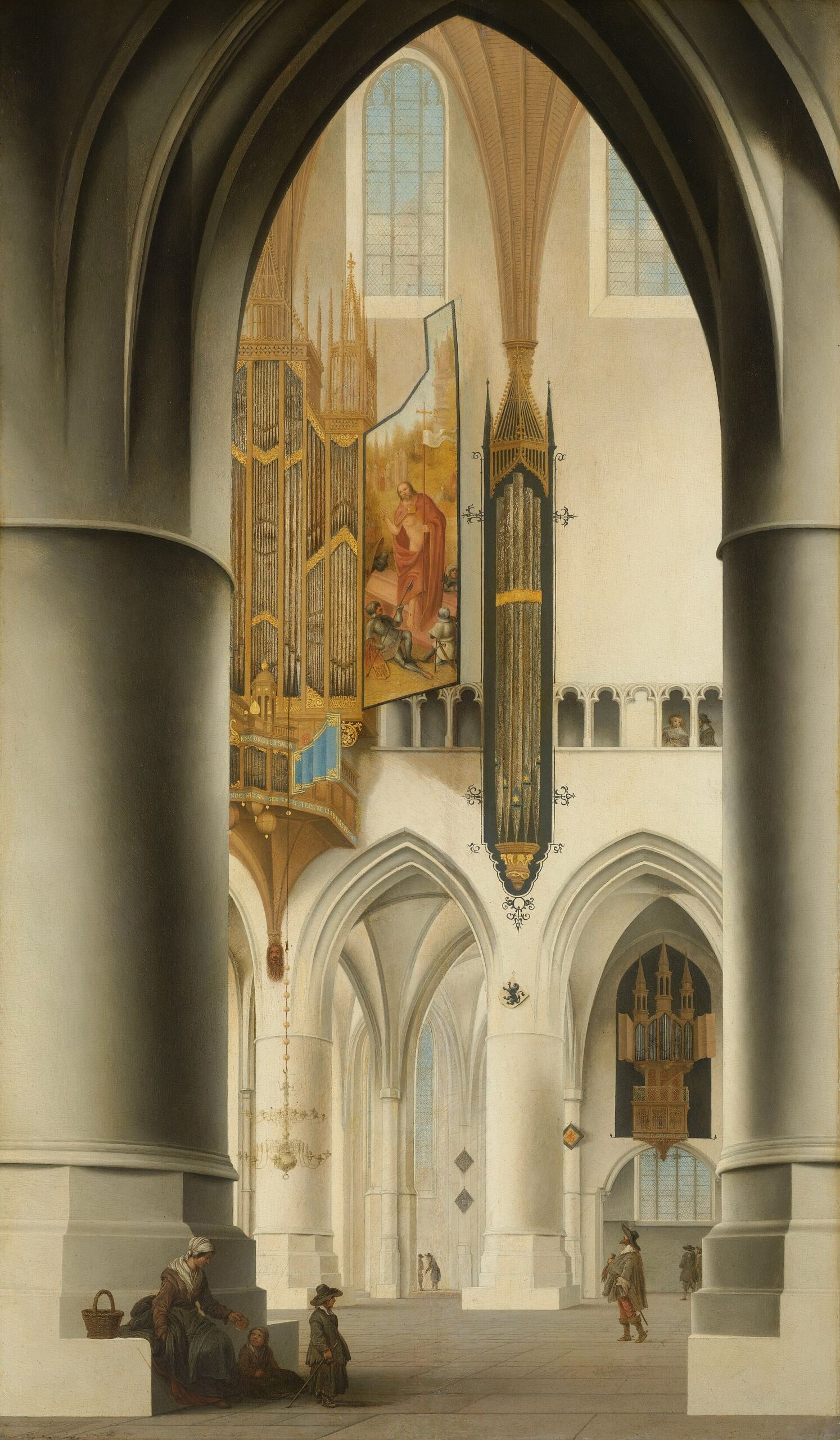
When Thou Goest To The House Of God
“Keep thy foot when thou goest to the house of God, and be more ready to hear, than to give the sacrifice of fools: for they consider not that they do evil. Be not rash with thy mouth, and let not thine heart be hasty to utter any thing before God: for God is in heaven, and thou upon earth: therefore let thy words be few. For a dream cometh through the multitude of business; and a fool’s voice is known by multitude of words.”
Ecclesiastes 5:1-3
So far the Preacher has been describing life “under the sun.” Now, for the first time, he walks into the house of God, and his tone changes. “Keep thy foot”: watch your step. Come carefully, thoughtfully, knowing where you are.
“Be more ready to hear, than to give the sacrifice of fools.” In Solomon’s day people could bring an offering and go through the motions of worship while their hearts were far away. That is “the sacrifice of fools.” God wants listening hearts more than ritual. “To obey is better than sacrifice, and to hearken than the fat of rams” (1 Samuel 15:22). The first act of worship is to listen to what God says.
“If when the people come into the house of worship, they have genuine reverence for the Lord and bear in mind that they are in His presence, there will be a sweet eloquence in silence. The whispering and laughing and talking which might be without sin in a common business place should find no sanction in the house where God is worshiped.”
Ellen G. White · Testimonies for the Church, vol. 5, p. 492
“Be not rash with thy mouth… for God is in heaven, and thou upon earth: therefore let thy words be few.” This is not a rule against long prayers. Jesus prayed all night (Luke 6:12). It is a warning against careless, thoughtless words, and against the idea that God is impressed by quantity. Jesus said the same: “when ye pray, use not vain repetitions, as the heathen do: for they think that they shall be heard for their much speaking” (Matthew 6:7). Remembering who God is and who we are makes our words fewer and more sincere.
When Thou Vowest A Vow
“When thou vowest a vow unto God, defer not to pay it; for he hath no pleasure in fools: pay that which thou hast vowed. Better is it that thou shouldest not vow, than that thou shouldest vow and not pay. Suffer not thy mouth to cause thy flesh to sin; neither say thou before the angel, that it was an error: wherefore should God be angry at thy voice, and destroy the work of thine hands? For in the multitude of dreams and many words there are also divers vanities: but fear thou God.”
Ecclesiastes 5:4-7
A vow is a promise made to God. It might be a promise of a gift, of service, or of a changed life. Scripture never forces anyone to make a vow. “Better is it that thou shouldest not vow, than that thou shouldest vow and not pay.” But once it is made, it must be kept, and promptly: “defer not to pay it.”
It is easy, in a moment of deep feeling, to promise God much. It is harder to keep the promise when the feeling fades. And there is a temptation to excuse ourselves “before the angel,” perhaps the priest or messenger of God, by saying it was a mistake. Solomon says not to treat a promise to God more lightly than a promise to a neighbour.
“The pledge is not made to man, but to God, and is as a written note given to a neighbor. No legal bond is more binding upon the Christian for the payment of money than a pledge made to God.”
Ellen G. White · Testimonies for the Church, vol. 4, p. 470
“But fear thou God.” In the midst of all the words and dreams, one thing is solid: reverence for God. It is the thread that will tie the whole book together at its end (12:13).
Higher Than The Highest
“If thou seest the oppression of the poor, and violent perverting of judgment and justice in a province, marvel not at the matter: for he that is higher than the highest regardeth; and there be higher than they. Moreover the profit of the earth is for all: the king himself is served by the field.”
Ecclesiastes 5:8-9
Solomon returns to the injustice he saw in chapters 3 and 4. When the poor are oppressed and justice is twisted, “marvel not.” Do not be surprised; human government is layered with officials, each watching out for himself. But there is a greater truth: “he that is higher than the highest regardeth.” Above every official, above every king, stands God, and He sees.
It was this God, “higher than the highest,” to whom Solomon himself finally turned in his old age.
“In gratitude Solomon acknowledged the power and the loving-kindness of the One who is ‘higher than the highest’ (Ecclesiastes 5:8); in penitence he began to retrace his steps toward the exalted plane of purity and holiness from whence he had fallen so far.”
Ellen G. White · Prophets and Kings, p. 78
“The king himself is served by the field.” Even the most powerful ruler depends on the farmer. Every person, however high, eats from the same earth that God makes fruitful. No one is above dependence on God.
He That Loveth Silver
“He that loveth silver shall not be satisfied with silver; nor he that loveth abundance with increase: this is also vanity. When goods increase, they are increased that eat them: and what good is there to the owners thereof, saving the beholding of them with their eyes? The sleep of a labouring man is sweet, whether he eat little or much: but the abundance of the rich will not suffer him to sleep. There is a sore evil which I have seen under the sun, namely, riches kept for the owners thereof to their hurt. But those riches perish by evil travail: and he begetteth a son, and there is nothing in his hand. As he came forth of his mother’s womb, naked shall he return to go as he came, and shall take nothing of his labour, which he may carry away in his hand. And this also is a sore evil, that in all points as he came, so shall he go: and what profit hath he that hath laboured for the wind? All his days also he eateth in darkness, and he hath much sorrow and wrath with his sickness.”
Ecclesiastes 5:10-17
“He that loveth silver shall not be satisfied with silver.” Money promises satisfaction and never delivers it. The more we have, the more we want. And more money brings more mouths to feed: “when goods increase, they are increased that eat them.” The owner gets little more than the pleasure of looking at it.
“Riches and worldly honor cannot satisfy the soul. Many among the rich are longing for some divine assurance, some spiritual hope.”
Ellen G. White · The Ministry of Healing, p. 210
Then a gentle observation: “The sleep of a labouring man is sweet, whether he eat little or much: but the abundance of the rich will not suffer him to sleep.” The working man with little lies down tired and sleeps well. The rich man lies awake worrying about what he might lose. And sometimes he does lose it: “those riches perish by evil travail,” a bad investment, a disaster, and his son inherits nothing.
Even if the money survives, the owner does not. “As he came forth of his mother’s womb, naked shall he return.” Job said the same (Job 1:21), and Paul echoed it: “we brought nothing into this world, and it is certain we can carry nothing out” (1 Timothy 6:7). There are no pockets in a shroud.
“Behold that which I have seen: it is good and comely for one to eat and to drink, and to enjoy the good of all his labour that he taketh under the sun all the days of his life, which God giveth him: for it is his portion. Every man also to whom God hath given riches and wealth, and hath given him power to eat thereof, and to take his portion, and to rejoice in his labour; this is the gift of God. For he shall not much remember the days of his life; because God answereth him in the joy of his heart.”
Ecclesiastes 5:18-20
Once again the chapter ends with light. Wealth itself is not evil. “Every man also to whom God hath given riches and wealth, and hath given him power to eat thereof… this is the gift of God.” The difference is between loving money and receiving it from God’s hand. The one who receives his daily bread with gratitude finds that “God answereth him in the joy of his heart.” He is too busy enjoying God’s gifts to brood over the brevity of life.
