Table of Contents
Nahum
Nahum prophesied roughly a century and a half after Jonah, to the same city Jonah once warned. Nineveh’s repentance under Jonah had not lasted — the empire that once humbled itself before God had returned to conquest, idolatry, and the systematic cruelty for which Assyria was feared across the ancient world. Nahum’s entire book is a single sustained oracle: the same God who is slow to anger is also the God who will by no means acquit the wicked, and Nineveh’s second chance had run out.
Where Jonah’s book ends in an open question, Nahum’s book ends in a closed case — three short chapters describing, in some of the most vivid battle poetry in the Old Testament, a city’s fall so total that within a generation people would ask, as verse 7 of the last chapter puts it, “who will bemoan her?” This series reads Nahum chapter by chapter.
List Of Articles
The LORD Hath His Way In The Whirlwind
a century and a half after Jonah spared it, Nineveh gets no second invitation to repent — only a description of a God who is slow to anger and will not acquit the wicked, with Ellen White carrying the same language forward to the second advent and the final end of sin itself
Nahum 1Where Is The Dwelling Of The Lions
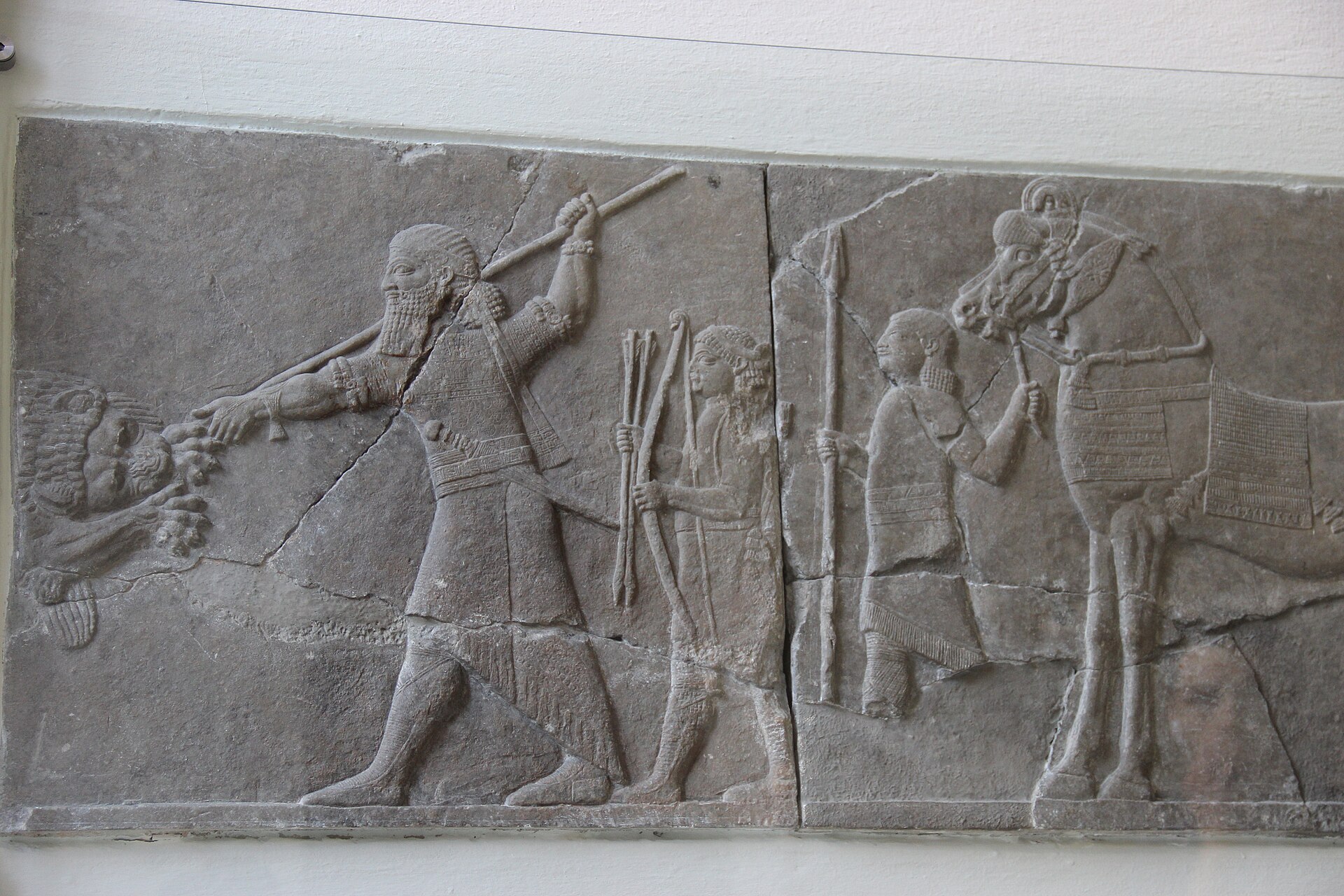
cinematic battle poetry describing the actual siege of 612 B.C. — rivers diverted to breach the walls, a captive queen, and Assyria's own chosen emblem of the lion turned into the taunt that condemns it, with Ellen White pairing Nahum's own words here with Zephaniah's independent oracle against the same city
Nahum 2Woe To The Bloody City
the full indictment — lies, robbery, and a hundred years of cruelty proven by Nineveh's own conquest of Thebes — closing on the very verse Ellen White uses to introduce Nineveh at the start of Jonah's own story: mercy delayed the account, but never erased it
Nahum 3