3 John is a personal letter from “the elder unto the wellbeloved Gaius.” John prays that Gaius may “prosper and be in health, even as thy soul prospereth,” rejoices that he walks in the truth, and thanks him for opening his home to the travelling preachers who went out “for his name’s sake.” Then he names the opposite spirit: Diotrephes, “who loveth to have the preeminence,” who refused John’s messengers and put out of the church those who welcomed them. The letter ends with a simple rule: “follow not that which is evil, but that which is good.”
A study in 3 John · Arthur Baldwin · StandUp4Jesus.Org · 12 min read
Prosper And Be In Health
“The elder unto the wellbeloved Gaius, whom I love in the truth. Beloved, I wish above all things that thou mayest prosper and be in health, even as thy soul prospereth. For I rejoiced greatly, when the brethren came and testified of the truth that is in thee, even as thou walkest in the truth. I have no greater joy than to hear that my children walk in truth.”
3 John 1:1-4
Gaius was a common name, and we cannot be sure which Gaius this was. What we know is what John tells us: he was “wellbeloved,” he walked in the truth, and his home was open to God’s travelling workers.
John’s greeting holds one of the most practical prayers in the New Testament: “Beloved, I wish above all things that thou mayest prosper and be in health, even as thy soul prospereth.” God cares for the whole person. He is not interested only in our souls while ignoring our bodies. He wants His children well in body, mind and spirit, and He links them together: “even as thy soul prospereth.”
“Sickness, suffering, and death are work of an antagonistic power. Satan is the destroyer; God is the restorer.”
Ellen G. White · The Ministry of Healing, p. 113
This is why Seventh-day Adventists have always taught that caring for the body is part of the Christian life. The body is “the temple of the Holy Ghost” (1 Corinthians 6:19). Wholesome food, pure water, exercise, rest, sunlight, fresh air, temperance and trust in God are not a way of earning salvation. They are ways of cooperating with the God who wants us to “be in health.”
“They need to be taught that every practice which destroys the physical, mental, or spiritual energies is sin, and that health is to be secured through obedience to the laws that God has established for the good of all mankind.”
Ellen G. White · The Ministry of Healing, p. 113
Then John shares the joy of his old age: “I have no greater joy than to hear that my children walk in truth.” The “children” here are his spiritual children, those he had led to Christ and cared for. Any pastor, parent or teacher knows that joy. Nothing money can buy compares with seeing someone you love walking faithfully with God.
Fellowhelpers To The Truth
“Beloved, thou doest faithfully whatsoever thou doest to the brethren, and to strangers; Which have borne witness of thy charity before the church: whom if thou bring forward on their journey after a godly sort, thou shalt do well: Because that for his name’s sake they went forth, taking nothing of the Gentiles. We therefore ought to receive such, that we might be fellowhelpers to the truth.”
3 John 1:5-8
In the early church, the gospel spread by travelling preachers. They “went forth” “for his name’s sake,” and they refused to take money from the pagans they were trying to reach, “taking nothing of the Gentiles,” so that no one could say they preached for profit. That meant they depended on believers like Gaius for food, lodging, and help for the next stage of the journey.
Gaius had welcomed them, even though they were “strangers” to him, and they had spoken of his love “before the church.” John asks him to keep it up: “bring forward on their journey after a godly sort,” sending them on their way with what they need, in a manner worthy of God. And then John states a principle for every believer: “We therefore ought to receive such, that we might be fellowhelpers to the truth.” Not everyone goes out to preach. But everyone who supports those who go shares in their work.
“Those who travel from place to place as evangelists or missionaries in any line should receive hospitality from the members of the churches among whom they may labor. Brethren and sisters, make a home for these workers, even if it be at considerable personal sacrifice. Christ keeps an account of every expense incurred in entertaining for His sake.”
Ellen G. White · Testimonies for the Church, vol. 6, p. 344
Notice how 2 John and 3 John fit together. In 2 John the elder warned the elect lady not to receive teachers who denied Christ. In 3 John he urges Gaius to receive teachers who serve Christ. The question is not whether to be hospitable, but whom we are helping, and what they are carrying from our door.
Diotrephes, Who Loveth To Have The Preeminence
“I wrote unto the church: but Diotrephes, who loveth to have the preeminence among them, receiveth us not. Wherefore, if I come, I will remember his deeds which he doeth, prating against us with malicious words: and not content therewith, neither doth he himself receive the brethren, and forbiddeth them that would, and casteth them out of the church.”
3 John 1:9-10
Then the letter turns. There was another man in that church, Diotrephes, and John describes him in one phrase: he “loveth to have the preeminence among them.” He wanted to be first. And that one desire explains everything else he did. He would not accept John’s authority. He spread “malicious words” about the apostle. He refused hospitality to the travelling brethren. He stopped others from welcoming them. And he threw out of the church those who did.
We do not know that Diotrephes taught any false doctrine. His sin was pride. He could not bear a rival, not even the beloved disciple. The love of preeminence has done as much damage in the church as any heresy, and it can hide behind sound doctrine. It was the sin of Lucifer, who wanted to be “like the most High” (Isaiah 14:14). It was the argument among the disciples at the Last Supper about “which of them should be accounted the greatest” (Luke 22:24).
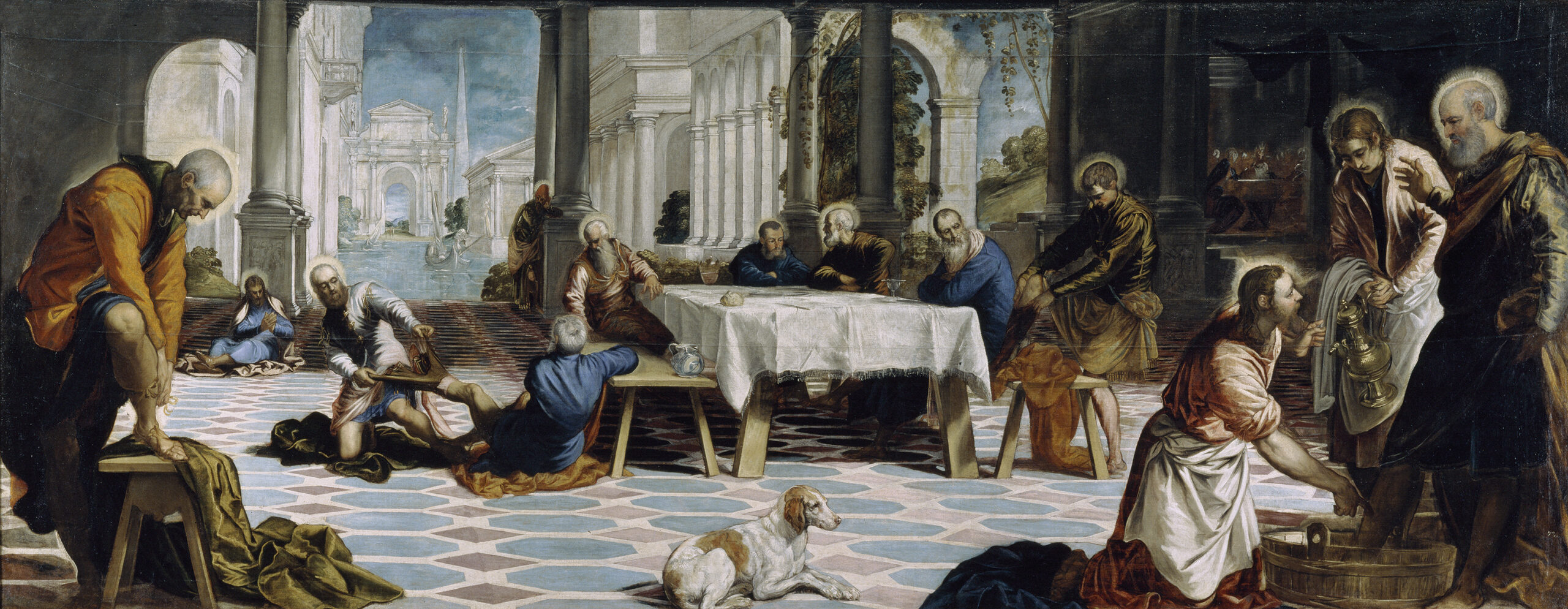
That same evening Jesus answered it, not with a lecture but with a towel and a basin. The Lord of glory knelt and washed their feet (John 13:4-5). John had been in that room. He knew what true greatness looks like.
“Only when selfishness is dead, when strife for supremacy is banished, when gratitude fills the heart, and love makes fragrant the life—it is only then that Christ is abiding in the soul, and we are recognized as laborers together with God.”
Ellen G. White · Christ’s Object Lessons, p. 402
Notice, too, how John responds. He does not answer malice with malice. He says plainly, “if I come, I will remember his deeds.” Wrongs in the church are to be dealt with openly and honestly, in person, not by gossip in return.
Follow That Which Is Good
“Beloved, follow not that which is evil, but that which is good. He that doeth good is of God: but he that doeth evil hath not seen God. Demetrius hath good report of all men, and of the truth itself: yea, and we also bear record; and ye know that our record is true. I had many things to write, but I will not with ink and pen write unto thee: But I trust I shall shortly see thee, and we shall speak face to face. Peace be to thee. Our friends salute thee. Greet the friends by name.”
3 John 1:11-14
“Beloved, follow not that which is evil, but that which is good.” The word “follow” means to imitate. Gaius had two examples in front of him, Diotrephes and the faithful brethren, and he had to choose which to copy. So do we. And John gives the test he has used all through his letters: “He that doeth good is of God: but he that doeth evil hath not seen God.” What people do shows whose they are.
Then comes Demetrius, probably the man carrying this letter. He “hath good report of all men, and of the truth itself.” His life matched the truth so well that the truth itself spoke for him. And John adds his own witness: “we also bear record.” Here is the opposite of Diotrephes: a man whose reputation rested not on seeking first place, but on faithfulness.
The letter closes like 2 John, with a hope to meet “face to face,” and with one lovely detail: “Greet the friends by name.” Not “greet everyone,” but each one, by name. That is how the Good Shepherd knows His sheep (John 10:3), and it is how John loved his flock. The aged apostle’s short note ends with peace, friendship, and names remembered.
