A blind beggar outside Jericho and a Samaritan woman at a well were both people others would have moved aside. Jesus stopped for each of them. In this guest article, Douglas Vandergraph draws two lessons from those encounters about how Christ’s followers receive one another.
A guest article · Douglas Vandergraph · StandUp4Jesus.Org · 6 min read
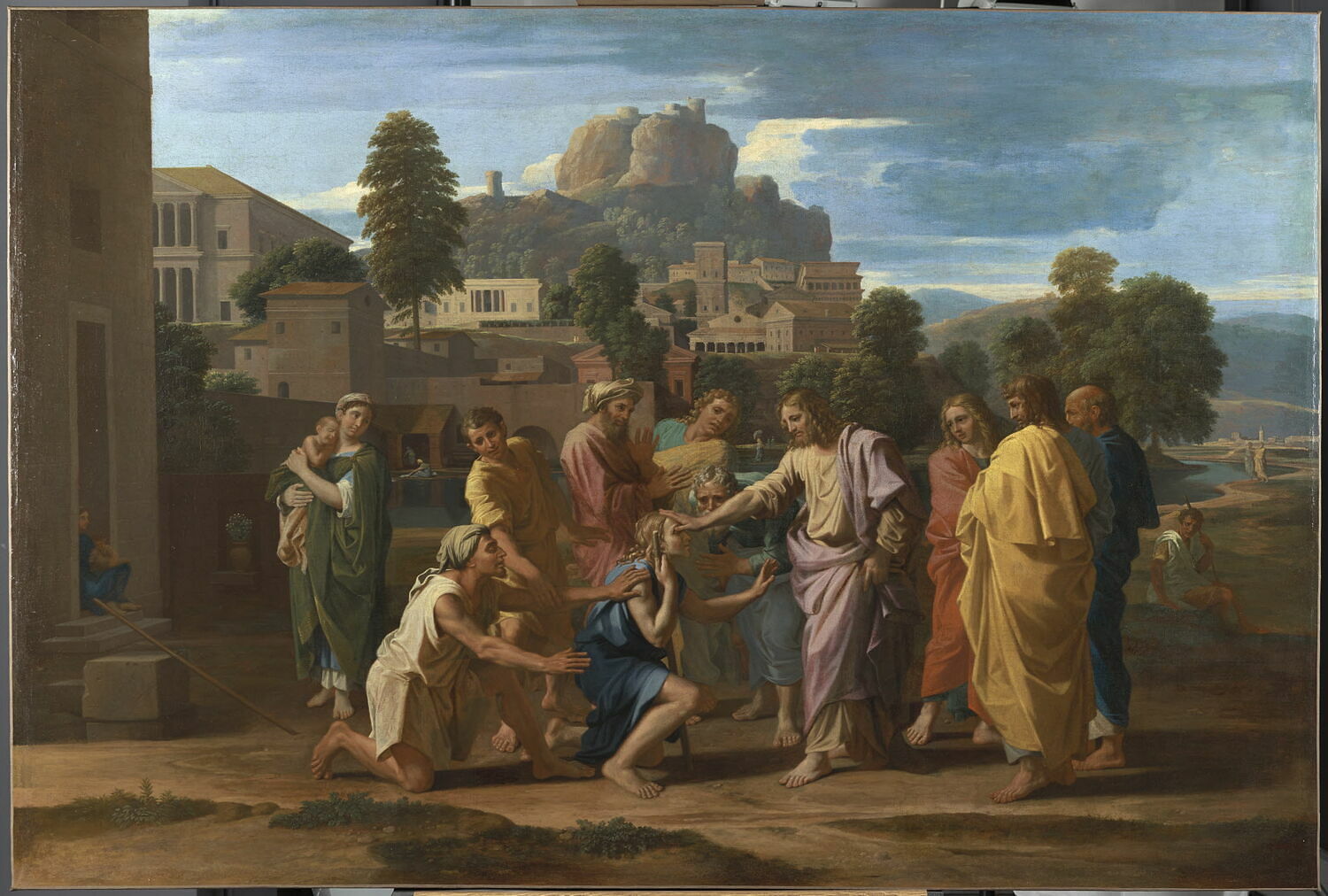
Table of Contents
When A Good Person Becomes Unavailable
There is a kind of busyness that can make a good person unavailable. A full calendar, a crowded room, and a worthy mission can gradually convince us that the most important thing is to keep moving. Someone needs help, but not at this minute. Someone is asking a question, but we have already prepared our answer. Someone wants to be heard, but a larger audience is waiting.
The Gospels describe a Savior whose purpose was more urgent than any schedule we keep. And yet Jesus repeatedly gave His attention to people whom others tried to move aside. His willingness to stop was not a distraction from His ministry. It revealed the heart of it.
Lesson 1: Jesus Stood Still For Bartimaeus
Consider Bartimaeus in Mark 10:46–52. Jesus was leaving Jericho with His disciples and a large crowd. A blind beggar heard that Jesus was passing and cried out for mercy. Many people rebuked him and told him to be quiet. The crowd had an opinion about which voices were worth hearing. Bartimaeus kept calling.
And when he heard that it was Jesus of Nazareth, he began to cry out, and say, Jesus, thou Son of David, have mercy on me. And many charged him that he should hold his peace: but he cried the more a great deal, Thou Son of David, have mercy on me.
Mark 10:47–48
Then the account gives us an extraordinary moment: Jesus stopped. He asked for the man to be brought to Him. The people who had discouraged Bartimaeus now had to tell him to take courage and get up. What changed was not the man’s worth. What changed was that Jesus made his worth impossible to ignore.
And Jesus stood still, and commanded him to be called. And they call the blind man, saying unto him, Be of good comfort, rise; he calleth thee.
Mark 10:49
Jesus then asked Bartimaeus what he wanted Him to do. The Lord did not lack the power to see the man’s condition. He allowed a man accustomed to being spoken over to speak for himself. Bartimaeus asked to regain his sight, and Jesus healed him. The final detail matters, too: the man followed Jesus along the road. The story ends not with a spectacle but with a person walking in the company of Christ.
And Jesus answered and said unto him, What wilt thou that I should do unto thee? The blind man said unto him, Lord, that I might receive my sight. And Jesus said unto him, Go thy way; thy faith hath made thee whole. And immediately he received his sight, and followed Jesus in the way.
Mark 10:51–52
This encounter should disturb any Christian habit that confuses a crowd with a community. Crowds can form around good teaching, charitable work, a worship service, or a Bible video. None of those things is wrong. But numbers alone cannot tell us whether the person with the quietest voice has been welcomed, respected, and heard.
Lesson 2: Jesus Made Room For The Woman At The Well
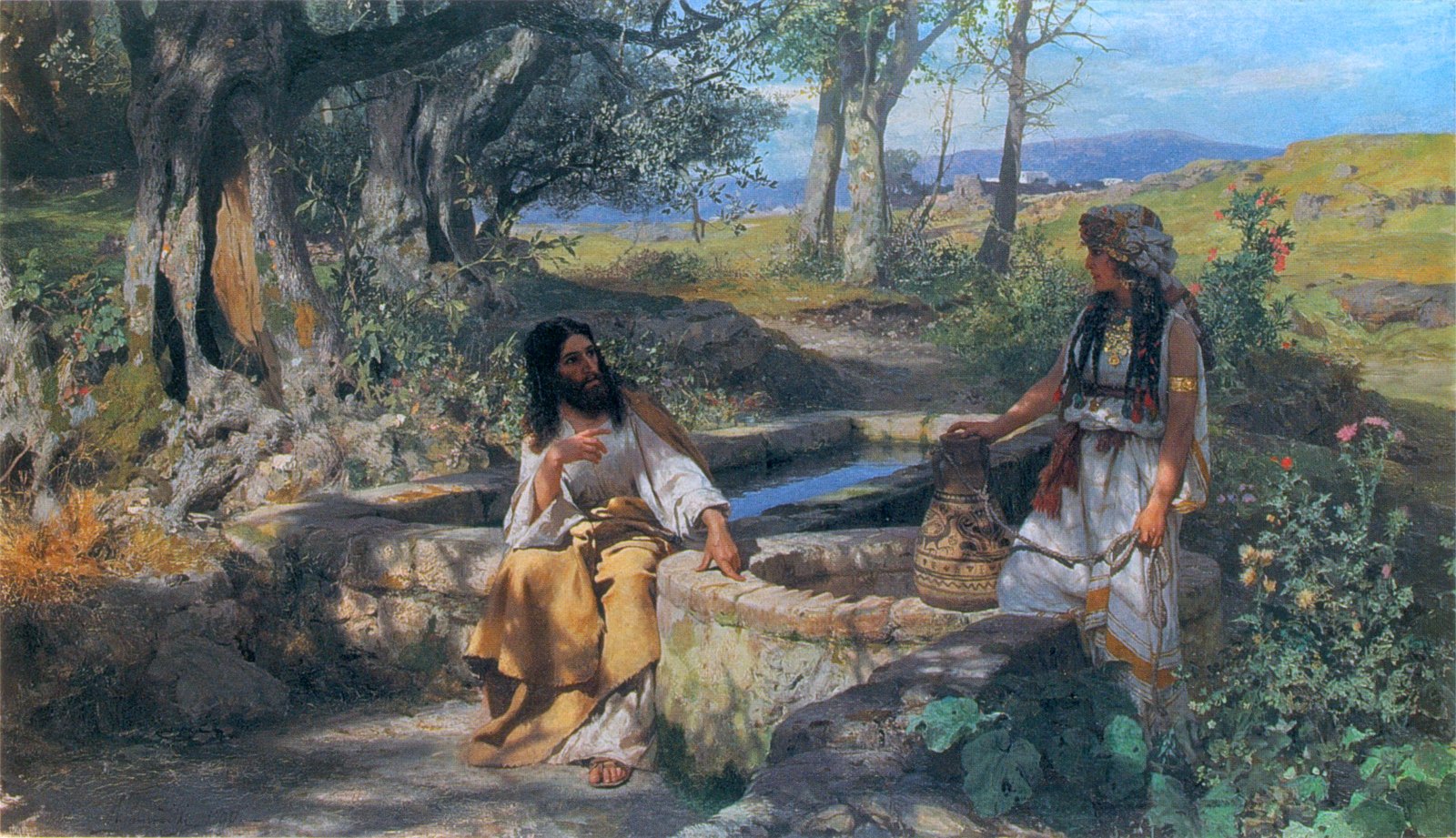
The same lesson appears when Jesus meets a Samaritan woman in John 4. She comes to a well, and He begins a conversation that crosses social boundaries. He speaks truthfully about her life without reducing her to its most difficult details. He does not treat the encounter as an inconvenience between more important appointments. He speaks of living water and makes room for a real exchange, complete with questions and disagreements about worship.
Then saith the woman of Samaria unto him, How is it that thou, being a Jew, askest drink of me, which am a woman of Samaria? for the Jews have no dealings with the Samaritans. Jesus answered and said unto her, If thou knewest the gift of God, and who it is that saith to thee, Give me to drink; thou wouldest have asked of him, and he would have given thee living water.
John 4:9–10
Notice how often people are allowed to ask Jesus questions. Their questions are not always carefully worded or theologically complete. Sometimes they arise from fear; sometimes from disappointment. Still, the Gospel writers preserve those conversations because the way Jesus responds teaches us what truth joined to mercy looks like.
Attention Is Not A Technique
There is a danger here in treating attention as a technique. A church could turn listening into another measurable program. A ministry could advertise its compassion while giving struggling people no lasting relationship. Genuine care cannot be reduced to a photograph of a helping hand. It requires the possibility that the other person’s answer will change what we do next.
We should also avoid an impossible conclusion. Jesus’ compassion does not mean that every believer can answer every request or that fatigue is a spiritual failure. In the Gospels He withdraws to pray, and He does not surrender His calling to every demand. Christian love needs honesty about limits. When we cannot provide the help someone needs, we can still respond with dignity, offer a truthful next step, or connect the person with someone better equipped to serve.
And he withdrew himself into the wilderness, and prayed.
Luke 5:16
That distinction matters for people living with disabilities, grief, isolation, or circumstances that make participation difficult. An accessible entrance is good. So is a livestream. But belonging also involves asking what a person hopes to contribute, whether they can join a conversation, and whether their presence matters when they are not able to volunteer, donate, or perform a visible task.
Jesus does not ask us to become everybody’s savior. He has already taken that place. He calls us to follow Him. Following Him will sometimes mean allowing a person to interrupt our assumptions. It may require that we listen before we correct, offer practical assistance instead of a slogan, or refuse to use someone’s pain as proof of our ministry’s success.
Received By Grace
The Christian message is not merely that God notices suffering from a distance. In Jesus Christ, God comes near. His life, death, and resurrection announce mercy that we cannot earn by usefulness, influence, or impressive faith. We are received by grace. That changes how we receive one another.
When the next crowded day arrives, we may not know how to solve every need before us. We can, however, remember the road outside Jericho. A man called for mercy. The crowd wanted to keep moving. Jesus stopped. In that pause, the people around Him were invited to see a neighbor again. Our churches, families, and ministries still need that invitation.
Douglas Vandergraph is a guest author on StandUp4Jesus.Org. Read more about him and his work.