Table of Contents
Philemon
Philemon is the shortest of Paul’s letters and the most personal. Onesimus, a slave belonging to Philemon, a Christian in Colosse, had wronged his master and run away to Rome. There he met Paul, then a prisoner, and was converted. Paul sent him back to Philemon carrying this letter, which asks Philemon to receive Onesimus “not now as a servant, but above a servant, a brother beloved,” and offers to pay whatever Onesimus owed: “put that on mine account.”
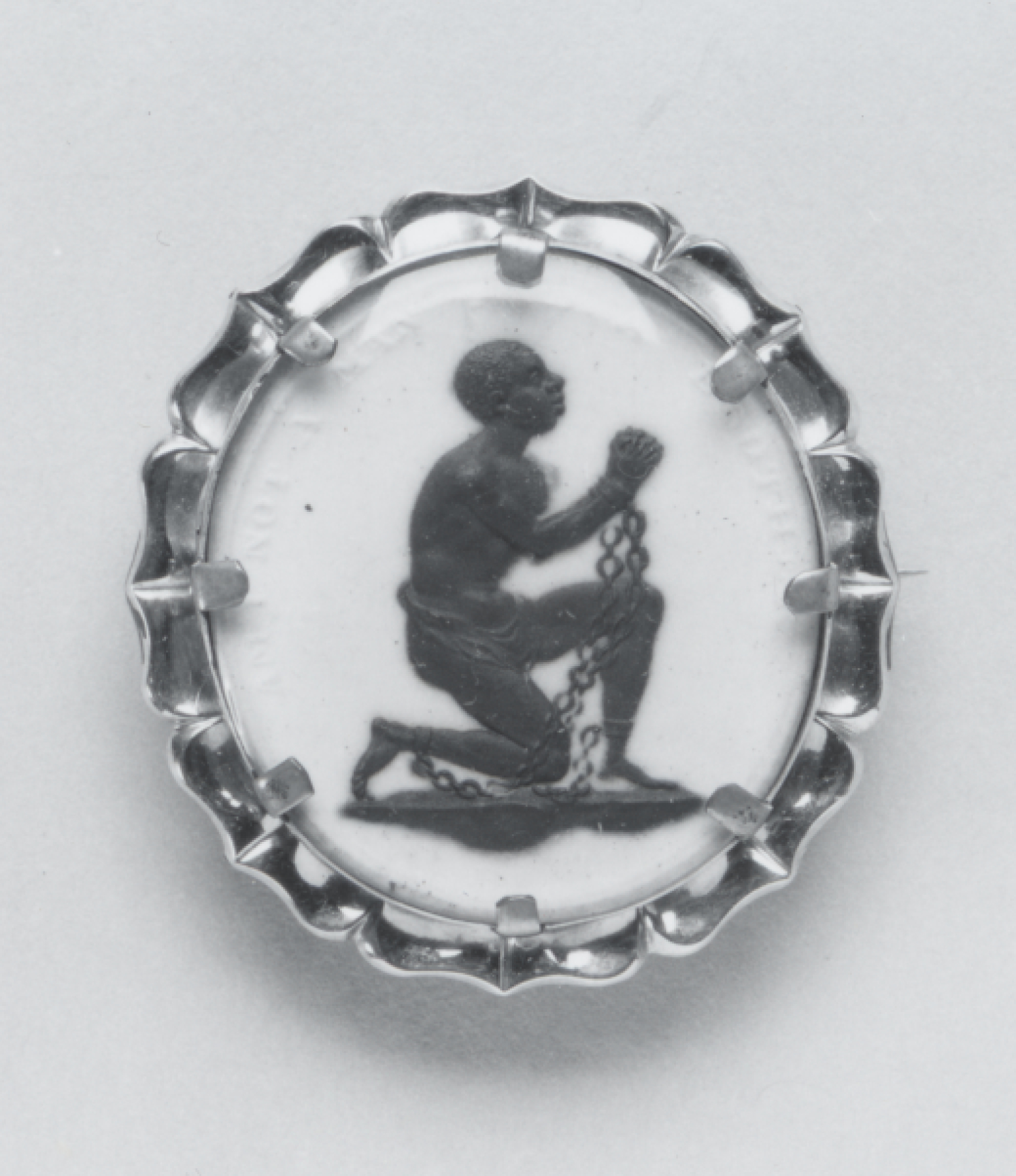
This study reads the whole letter in one article, following this site’s series on Titus. Paul did not attack the Roman slave system head-on, but he planted principles that struck at its root: master and slave as brothers in Christ, equal before God. Eighteen centuries later, Christian abolitionists put those same words, “a man and a brother,” on the medallion shown above. And the letter is a living picture of the gospel itself: a guilty runaway, a debt he cannot pay, and a friend who says, “I will repay it.”
