Hebrews 1 showed that Jesus is far above the angels. Hebrews 2 draws the first practical lesson: “How shall we escape, if we neglect so great salvation?” Then it shows the other side of the same Jesus. The Son who is higher than the angels was made “a little lower than the angels” — a real man, our Brother, who tasted death for every man, broke the devil’s power over death, and became a merciful High Priest who knows what it is to be tempted.
A study in Hebrews 2 · Arthur Baldwin · StandUp4Jesus.Org · 17 min read
Lest At Any Time We Should Let Them Slip
“Therefore we ought to give the more earnest heed to the things which we have heard, lest at any time we should let them slip. For if the word spoken by angels was stedfast, and every transgression and disobedience received a just recompence of reward; How shall we escape, if we neglect so great salvation; which at the first began to be spoken by the Lord, and was confirmed unto us by them that heard him; God also bearing them witness, both with signs and wonders, and with divers miracles, and gifts of the Holy Ghost, according to his own will?”
Hebrews 2:1-4
“Let them slip” is a picture from sailing: a boat drifting past the harbour because no one is steering. Most people who leave Christ do not do it in one dramatic moment. They drift. They simply stop paying attention, and the current carries them away. The cure is “the more earnest heed”: deliberate, continued attention to what God has said.
The argument is from the lesser to the greater. The law given at Sinai was “the word spoken by angels” (compare Acts 7:53), and it was “stedfast”: every transgression received its just penalty. If breaking that word had consequences, how much more serious is it to “neglect so great salvation,” spoken first by the Lord Himself, confirmed by the apostles who heard Him, and sealed by God with miracles and gifts of the Holy Spirit?
Notice the word. Not “reject,” but “neglect.” A person does not have to fight the gospel to be lost. He only has to ignore it.
What Is Man?
“For unto the angels hath he not put in subjection the world to come, whereof we speak. But one in a certain place testified, saying, What is man, that thou art mindful of him? or the son of man, that thou visitest him? Thou madest him a little lower than the angels; thou crownedst him with glory and honour, and didst set him over the works of thy hands: Thou hast put all things in subjection under his feet. For in that he put all in subjection under him, he left nothing that is not put under him. But now we see not yet all things put under him.”
Hebrews 2:5-8
The writer quotes Psalm 8, David’s song of wonder at the starry sky. Next to the vastness of the heavens, what is man? Yet God made him “a little lower than the angels,” crowned him “with glory and honour,” and set him over the works of His hands. That was humanity’s original calling in Eden: to have dominion over the earth as God’s representative (Genesis 1:26-28).
“Endowed with high mental and spiritual gifts, Adam and Eve were made but ‘little lower than the angels’ (Hebrews 2:7), that they might not only discern the wonders of the visible universe, but comprehend moral responsibilities and obligations.”
Ellen G. White · Education, p. 20
“But now we see not yet all things put under him.” Look around. Man does not rule the world as God intended. Sin, suffering, disease and death rule instead. The dominion was lost at the Fall. The psalm describes what man was made to be, not what he now is.
But We See Jesus
“But we see Jesus, who was made a little lower than the angels for the suffering of death, crowned with glory and honour; that he by the grace of God should taste death for every man. For it became him, for whom are all things, and by whom are all things, in bringing many sons unto glory, to make the captain of their salvation perfect through sufferings.”
Hebrews 2:9-10
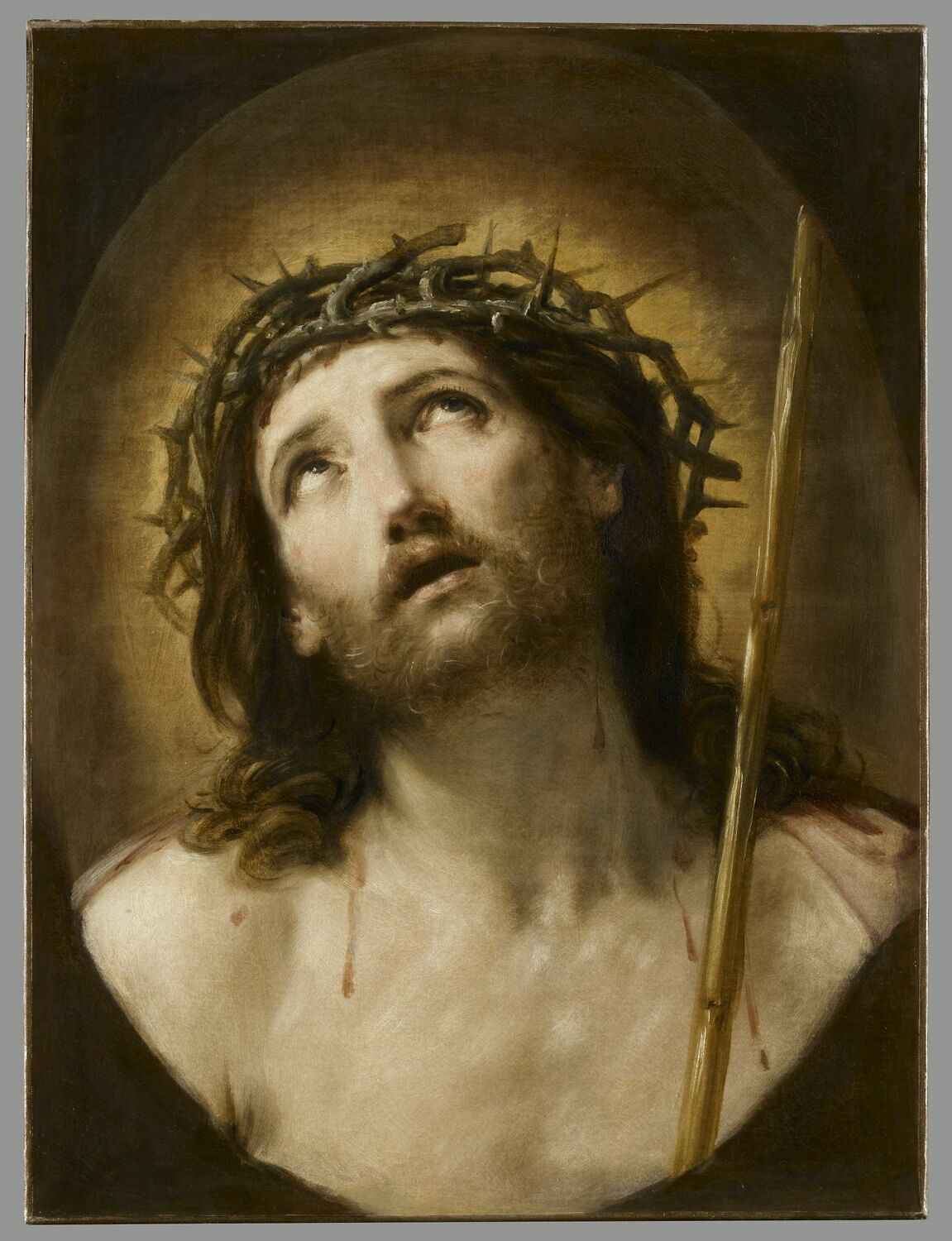
“We see not yet all things put under him. But we see Jesus.” We do not yet see humanity restored. But we do see one Man who has fulfilled Psalm 8 completely. He was “made a little lower than the angels” when He became a man, and He did it “for the suffering of death.” Now He is “crowned with glory and honour” at God’s right hand. Where Adam lost the crown, Jesus has won it back — for us.
And He did it “by the grace of God,” that He “should taste death for every man.” Not for a chosen few, but for every human being. He tasted the full bitterness of death so that no one who trusts Him need taste it as He did.
“The captain of their salvation” means the pioneer, the leader who goes first and opens the way for others to follow. God was “bringing many sons unto glory,” and their leader was made “perfect through sufferings.” Jesus was never imperfect in character. But He was made complete, fully qualified as our Saviour, by passing through every kind of suffering we could face.
Not Ashamed To Call Them Brethren
“For both he that sanctifieth and they who are sanctified are all of one: for which cause he is not ashamed to call them brethren, Saying, I will declare thy name unto my brethren, in the midst of the church will I sing praise unto thee. And again, I will put my trust in him. And again, Behold I and the children which God hath given me.”
Hebrews 2:11-13
The Holy One who sanctifies and the sinners He sanctifies are “all of one” — one family. And “he is not ashamed to call them brethren.” Think of that. The Creator of the worlds from chapter 1 is not embarrassed to call us His brothers and sisters.
“He who was one with God has linked Himself with the children of men by ties that are never to be broken. Jesus is ‘not ashamed to call them brethren’ (Hebrews 2:11); He is our Sacrifice, our Advocate, our Brother, bearing our human form before the Father’s throne, and through eternal ages one with the race He has redeemed—the Son of man.”
Ellen G. White · Steps to Christ, p. 14
The Son did not take humanity on for thirty-three years and then lay it aside. He is still “the Son of man,” and will be forever.
“Forasmuch then as the children are partakers of flesh and blood, he also himself likewise took part of the same; that through death he might destroy him that had the power of death, that is, the devil; And deliver them who through fear of death were all their lifetime subject to bondage.”
Hebrews 2:14-15
Why did the Son become human? Because we are “flesh and blood,” and He came to rescue us where we are. He took part in the same humanity “that through death he might destroy him that had the power of death, that is, the devil.” The devil held humanity in the grip of death, because “the wages of sin is death” (Romans 6:23). Jesus met death head-on, on its own ground, and broke its power.
“In the Saviour’s expiring cry, ‘It is finished,’ the death knell of Satan was rung. The great controversy which had been so long in progress was then decided, and the final eradication of evil was made certain. The Son of God passed through the portals of the tomb, that ‘through death He might destroy him that had the power of death, that is, the devil.’ Hebrews 2:14.”
Ellen G. White · The Great Controversy, p. 503
“Destroy” here means to render powerless, to put out of action. The devil’s final destruction is still future (Revelation 20:10, 14). But his hold over death has already been broken, and so has the fear it held over us. For those in Christ, death is a sleep from which He will wake them (John 11:11). That is why a believer need no longer live “all their lifetime subject to bondage” through the fear of death.
“Satan cannot hold the dead in his grasp when the Son of God bids them live. He cannot hold in spiritual death one soul who in faith receives Christ’s word of power.”
Ellen G. White · The Desire of Ages, p. 320
A Merciful And Faithful High Priest
“For verily he took not on him the nature of angels; but he took on him the seed of Abraham. Wherefore in all things it behoved him to be made like unto his brethren, that he might be a merciful and faithful high priest in things pertaining to God, to make reconciliation for the sins of the people. For in that he himself hath suffered being tempted, he is able to succour them that are tempted.”
Hebrews 2:16-18
Here, for the first time, Hebrews calls Jesus our “high priest” — the theme that will fill the heart of the letter. He did not come to help angels. He took hold of “the seed of Abraham,” real human beings. And to be our High Priest, “in all things it behoved him to be made like unto his brethren.” He needed to share our humanity fully, so that He could represent us before God with both mercy and faithfulness.
“As one of us He was to give an example of obedience. For this He took upon Himself our nature, and passed through our experiences. ‘In all things it behooved Him to be made like unto His brethren.’ Hebrews 2:17. If we had to bear anything which Jesus did not endure, then upon this point Satan would represent the power of God as insufficient for us.”
Ellen G. White · The Desire of Ages, p. 24
And the chapter ends with one of the most encouraging promises in Scripture: “in that he himself hath suffered being tempted, he is able to succour them that are tempted.” “Succour” means to run to the aid of someone who cries for help. Jesus does not look down on us from a distance, puzzled by our struggles. He felt the pull of temptation Himself, and resisted it all the way. So when we are tempted, the One who helps us understands, and He has the power to bring us through.
That is “so great salvation.” The Son of God, higher than the angels, became our Brother, tasted death for every man, broke the devil’s grip, and now stands before God as our merciful and faithful High Priest. How could we neglect it?
