2 Peter 3 answers the scoffers of the last days, who ask, “Where is the promise of his coming?” and insist that “all things continue as they were from the beginning of the creation.” Peter reminds them that God created the world by His word and destroyed it once by water, and that the same word has reserved it for fire. God is not slow. He is patient, “not willing that any should perish.” But “the day of the Lord will come as a thief in the night,” and after it, “new heavens and a new earth, wherein dwelleth righteousness.” Until then, believers are to live holy lives, “looking for and hasting unto the coming of the day of God,” and to “grow in grace.”
A study in 2 Peter 3 · Arthur Baldwin · StandUp4Jesus.Org · 17 min read
Where Is The Promise Of His Coming?
“This second epistle, beloved, I now write unto you; in both which I stir up your pure minds by way of remembrance: That ye may be mindful of the words which were spoken before by the holy prophets, and of the commandment of us the apostles of the Lord and Saviour: Knowing this first, that there shall come in the last days scoffers, walking after their own lusts, And saying, Where is the promise of his coming? for since the fathers fell asleep, all things continue as they were from the beginning of the creation. For this they willingly are ignorant of, that by the word of God the heavens were of old, and the earth standing out of the water and in the water: Whereby the world that then was, being overflowed with water, perished: But the heavens and the earth, which are now, by the same word are kept in store, reserved unto fire against the day of judgment and perdition of ungodly men.”
2 Peter 3:1-7
Peter’s final chapter is about the second coming. He calls believers to remember two sources of truth: “the words which were spoken before by the holy prophets,” the Old Testament, and “the commandment of us the apostles.” Both look forward to the same day.
“There shall come in the last days scoffers.” Their question sounds reasonable: “Where is the promise of his coming?” And their argument sounds scientific: “all things continue as they were from the beginning of the creation.” Nature runs on steady, unchanging laws. Nothing sudden has ever happened, so nothing sudden ever will. It is the assumption that the present is the key to everything, and that God has never broken into history and never will.
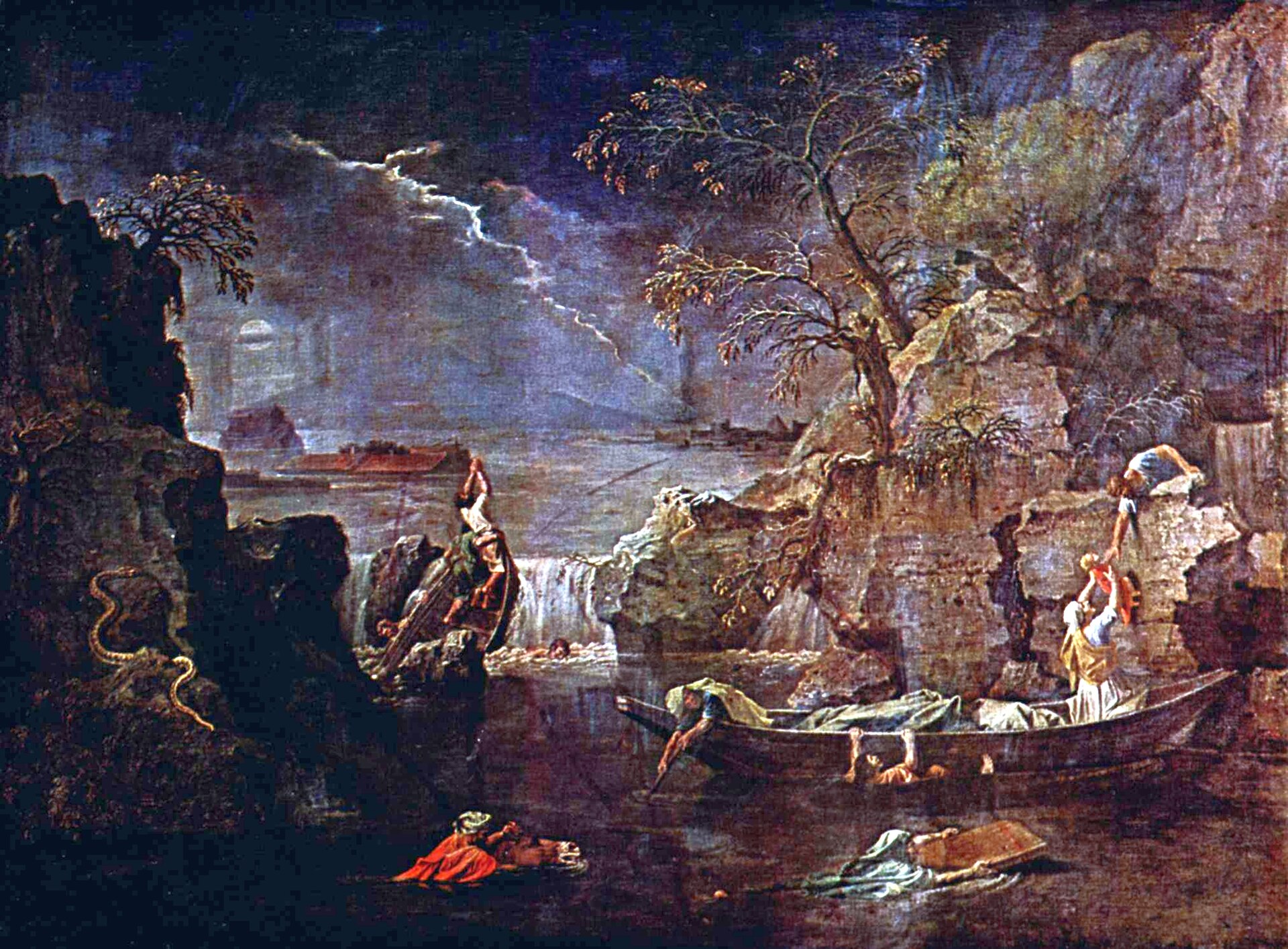
Peter says they “willingly are ignorant” of two facts. They choose to forget them. First, creation: “by the word of God the heavens were of old.” The world did not make itself. It was spoken into being (Genesis 1; Psalm 33:6, 9). Second, the Flood: “the world that then was, being overflowed with water, perished.” All things have not continued as they were. Once already God has judged the whole earth. Peter treats both creation and a worldwide Flood as history, and he rests the certainty of the second coming on them.
Noah’s generation used the same argument, and it did not save them.
“God bore long with their wickedness, giving them ample opportunity for repentance; but at the appointed time His judgments were visited upon the rejecters of His mercy. Christ declares that there will exist similar unbelief concerning His second coming.”
Ellen G. White · The Great Controversy, p. 338
“By the same word” that created the world and flooded it, “the heavens and the earth, which are now… are kept in store, reserved unto fire against the day of judgment and perdition of ungodly men.” The first world was judged by water. This one is reserved for fire. And the word that promises it is the same word that has already proved itself twice.
Not Willing That Any Should Perish
“But, beloved, be not ignorant of this one thing, that one day is with the Lord as a thousand years, and a thousand years as one day. The Lord is not slack concerning his promise, as some men count slackness; but is longsuffering to us-ward, not willing that any should perish, but that all should come to repentance.”
2 Peter 3:8-9
The scoffers “willingly are ignorant.” Believers must “be not ignorant of this one thing.” God does not measure time the way we do. “One day is with the Lord as a thousand years, and a thousand years as one day” (compare Psalm 90:4). This is not a formula for calculating dates. The year-for-a-day principle used in prophecy rests on other texts (Numbers 14:34; Ezekiel 4:6). Peter’s point is that the eternal God is not in a hurry and is never late. What seems a long delay to us is not delay to Him.
Then Peter gives the real reason for the waiting. “The Lord is not slack concerning his promise, as some men count slackness; but is longsuffering to us-ward, not willing that any should perish, but that all should come to repentance.” The delay is not forgetfulness. It is mercy. Every day the Lord waits is another day for someone to turn to Him. And notice the heart of God in this verse: He is “not willing that any should perish.” No one is predestined to be lost. God wants every person saved. Those who perish do so against His will, because they refuse His mercy.
“He does not forget or neglect His children; but He permits the wicked to reveal their true character, that none who desire to do His will may be deceived concerning them.”
Ellen G. White · The Great Controversy, p. 48
New Heavens And A New Earth
“But the day of the Lord will come as a thief in the night; in the which the heavens shall pass away with a great noise, and the elements shall melt with fervent heat, the earth also and the works that are therein shall be burned up. Seeing then that all these things shall be dissolved, what manner of persons ought ye to be in all holy conversation and godliness, Looking for and hasting unto the coming of the day of God, wherein the heavens being on fire shall be dissolved, and the elements shall melt with fervent heat? Nevertheless we, according to his promise, look for new heavens and a new earth, wherein dwelleth righteousness.”
2 Peter 3:10-13
God’s patience has a limit. “The day of the Lord will come as a thief in the night,” the words Jesus Himself used (Matthew 24:43-44). A thief does not announce his visit. The day will come unexpectedly for those who are not watching, though not for those who are (1 Thessalonians 5:4).
Peter describes that day as a vast fire. “The heavens shall pass away with a great noise, and the elements shall melt with fervent heat, the earth also and the works that are therein shall be burned up.” Other scriptures fill in the order of events. At Christ’s return the righteous are taken to heaven and the earth is left desolate (1 Thessalonians 4:16-17; Jeremiah 4:23-27). After the thousand years of Revelation 20, the wicked are raised, surround the holy city, and “fire came down from God out of heaven, and devoured them” (Revelation 20:9). That fire destroys sin and sinners completely, and it cleanses the earth.
Then comes the promise: “new heavens and a new earth, wherein dwelleth righteousness.” Peter is quoting Isaiah (65:17; 66:22), and John saw it in vision (Revelation 21:1). The fire is not the end of the story. It clears the ground for a new creation, where righteousness is at home.
“The fire that consumes the wicked purifies the earth. Every trace of the curse is swept away. No eternally burning hell will keep before the ransomed the fearful consequences of sin. One reminder alone remains: Our Redeemer will ever bear the marks of His crucifixion.”
Ellen G. White · The Great Controversy, p. 674
Peter draws the practical conclusion: “Seeing then that all these things shall be dissolved, what manner of persons ought ye to be in all holy conversation and godliness.” If everything this world treasures is going to burn, it makes no sense to live for it. Believers live for what will last.
And they are “looking for and hasting unto the coming of the day of God.” The word “hasting” can also be read “hastening.” God’s people do more than wait for the day. By carrying the gospel to the world and living it out, they help to bring it closer. Jesus said, “this gospel of the kingdom shall be preached in all the world for a witness unto all nations; and then shall the end come” (Matthew 24:14).
“Zeal for God and His cause moved the disciples to bear witness to the gospel with mighty power. Should not a like zeal fire our hearts with a determination to tell the story of redeeming love, of Christ and Him crucified? It is the privilege of every Christian, not only to look for, but to hasten the coming of the Saviour.”
Ellen G. White · The Acts of the Apostles, p. 600
Grow In Grace
“Wherefore, beloved, seeing that ye look for such things, be diligent that ye may be found of him in peace, without spot, and blameless. And account that the longsuffering of our Lord is salvation; even as our beloved brother Paul also according to the wisdom given unto him hath written unto you; As also in all his epistles, speaking in them of these things; in which are some things hard to be understood, which they that are unlearned and unstable wrest, as they do also the other scriptures, unto their own destruction. Ye therefore, beloved, seeing ye know these things before, beware lest ye also, being led away with the error of the wicked, fall from your own stedfastness. But grow in grace, and in the knowledge of our Lord and Saviour Jesus Christ. To him be glory both now and for ever. Amen.”
2 Peter 3:14-18
“Be diligent that ye may be found of him in peace, without spot, and blameless.” The false teachers were “spots” and “blemishes” (2:13). Christ’s people are to be found “without spot,” clothed in His righteousness and living it out. And they are to “account that the longsuffering of our Lord is salvation.” Every day of delay is a gift, time to be saved and time to save others.
Then Peter says something striking about Paul. He calls him “our beloved brother Paul.” This is the same Paul who once rebuked Peter to his face at Antioch (Galatians 2:11-14). There is no grudge here, only respect. And Peter places Paul’s letters alongside “the other scriptures.” Already, in the apostles’ own lifetime, Paul’s epistles were recognised as the word of God.
Peter admits that Paul’s letters contain “some things hard to be understood.” That is an encouraging confession from an apostle. But he warns that “they that are unlearned and unstable wrest” them, twist them “unto their own destruction.” One common example is to take Paul’s teaching on grace and use it to set aside God’s law, when Paul himself wrote, “Do we then make void the law through faith? God forbid: yea, we establish the law” (Romans 3:31). The protection against such twisting is to let Scripture explain Scripture.
“When he found anything obscure, it was his custom to compare it with every other text which seemed to have any reference to the matter under consideration. Every word was permitted to have its proper bearing upon the subject of the text, and if his view of it harmonized with every collateral passage, it ceased to be a difficulty. Thus whenever he met with a passage hard to be understood he found an explanation in some other portion of the Scriptures.”
Ellen G. White · The Great Controversy, p. 320
That is how William Miller studied the Bible, and it is how every believer can study it. The warning is personal: “beware lest ye also, being led away with the error of the wicked, fall from your own stedfastness.”
Peter’s last word is not “beware” but “grow.” “But grow in grace, and in the knowledge of our Lord and Saviour Jesus Christ.” That is how the letter began (1:2-8), and it is how it ends. The best defence against error is not only knowing what is false. It is a growing, living knowledge of Christ.
And the final line is a doxology: “To him be glory both now and for ever. Amen.” The glory that belongs to God alone (Isaiah 42:8), Peter gives to Jesus Christ. He began this letter by calling Jesus “God and our Saviour” (1:1), and he closes it by worshipping Him. The old fisherman who once denied Him with curses ends his last letter with praise, “both now and for ever.”