God tells Jeremiah not to marry, not to mourn at funerals and not to feast at weddings. His whole life is to become a living warning of what is coming. Then, in chapter 17, come two of the most searching sentences in the book: “Cursed be the man that trusteth in man,” and “The heart is deceitful above all things, and desperately wicked: who can know it?” And the chapter ends with a test so simple that anyone could pass it, set at the city gates: keep the Sabbath holy.
A study in Jeremiah 16-17 · Arthur Baldwin · StandUp4Jesus.Org · 16 min read
Thou Shalt Not Take Thee A Wife
“The word of the LORD came also unto me, saying, Thou shalt not take thee a wife, neither shalt thou have sons or daughters in this place.”
Jeremiah 16:1, 2
In Israel, marriage and children were the normal path for every man, and a sign of God’s blessing. Jeremiah is told to give them up. The reason is in the next verses: the sons and daughters born “in this place” would “die of grievous deaths.” The siege was coming, and a family would only mean more people for Jeremiah to watch suffer.
So his empty house became a sermon. Every day that Jeremiah lived alone, without wife or children, he was telling Jerusalem that the normal life it took for granted was about to end. God then adds two more commands. He must not go “into the house of mourning” to comfort the bereaved, “for I have taken away my peace from this people.” And he must not go “into the house of feasting” either, because God is about to silence “the voice of the bridegroom, and the voice of the bride.”
“Thou shalt not also go into the house of feasting, to sit with them to eat and to drink. For thus saith the LORD of hosts, the God of Israel; Behold, I will cause to cease out of this place in your eyes, and in your days, the voice of mirth, and the voice of gladness, the voice of the bridegroom, and the voice of the bride.”
Jeremiah 16:8, 9
No funerals, no weddings, no family. Jeremiah’s whole life was taken over by his message. It is a hard calling, and an unusual one; marriage remains God’s good gift, given in Eden. But it reminds us that some seasons call for sacrifice. Paul, writing in a time of distress, advised that “the time is short” and that “he that is unmarried careth for the things that belong to the Lord, how he may please the Lord” (1 Corinthians 7:29, 32). Jeremiah’s loneliness was the cost of being God’s watchman in the last days of a nation.
The LORD Liveth, That Brought Them Again
“Therefore, behold, the days come, saith the LORD, that it shall no more be said, The LORD liveth, that brought up the children of Israel out of the land of Egypt; But, The LORD liveth, that brought up the children of Israel from the land of the north, and from all the lands whither he had driven them: and I will bring them again into their land that I gave unto their fathers.”
Jeremiah 16:14, 15
In the middle of the darkest predictions, a promise breaks through. For centuries Israel’s great oath had been, “The LORD liveth, that brought up the children of Israel out of the land of Egypt.” The Exodus was the defining rescue of their history. God says a day is coming when a new rescue will be so great that people will swear by it instead: the return from “the land of the north,” Babylon.
Judgment is never God’s last word for His people. Even as He announces the exile, He announces the homecoming. And the chapter ends with an even wider promise: “the Gentiles shall come unto thee from the ends of the earth, and shall say, Surely our fathers have inherited lies, vanity, and things wherein there is no profit” (16:19). The nations would one day turn from their idols to the true God.
Verse 16 speaks of “fishers” and “hunters” whom God will send. Here they are agents of judgment, searching out the guilty wherever they hide. Centuries later Jesus took up the same picture and turned it around: “Follow me, and I will make you fishers of men” (Matthew 4:19). The same God who sends out hunters in judgment sends out fishermen in mercy.
Written With A Pen Of Iron
“The sin of Judah is written with a pen of iron, and with the point of a diamond: it is graven upon the table of their heart, and upon the horns of your altars;”
Jeremiah 17:1
God’s law had once been written on tables of stone. Now something else has been engraved, and not on stone but on “the table of their heart”: their sin. It is cut with an iron stylus and a diamond point, the tools used to carve inscriptions that would last forever. Judah’s rebellion was not a passing mood. It had become part of who they were.
That is the problem with sin left unrepented. What begins as a choice becomes a habit, and the habit becomes character. Only God can erase what is carved that deep, and later in this book He promises to do exactly that, with a new kind of writing: “I will put my law in their inward parts, and write it in their hearts” (Jeremiah 31:33). Paul describes believers as letters “written not with ink, but with the Spirit of the living God; not in tables of stone, but in fleshy tables of the heart” (2 Corinthians 3:3). The heart that sin engraved can be engraved again by God’s Spirit.
The Heath And The Tree
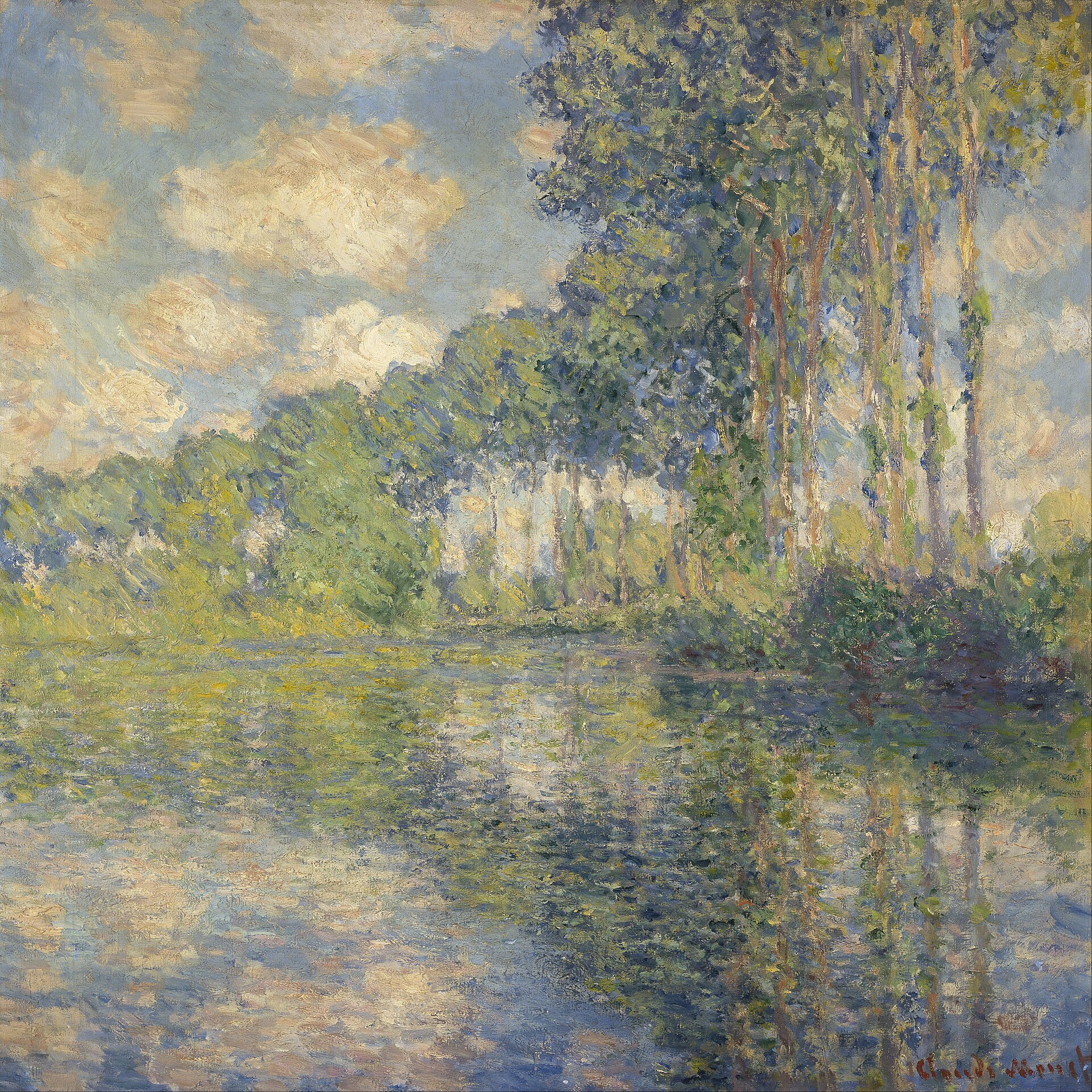
“Thus saith the LORD; Cursed be the man that trusteth in man, and maketh flesh his arm, and whose heart departeth from the LORD. For he shall be like the heath in the desert, and shall not see when good cometh; but shall inhabit the parched places in the wilderness, in a salt land and not inhabited. Blessed is the man that trusteth in the LORD, and whose hope the LORD is. For he shall be as a tree planted by the waters, and that spreadeth out her roots by the river, and shall not see when heat cometh, but her leaf shall be green; and shall not be careful in the year of drought, neither shall cease from yielding fruit.”
Jeremiah 17:5-8
Two lives, two plants. The man who “trusteth in man, and maketh flesh his arm” is like a scrubby desert bush, a “heath in the desert.” He lives in “parched places” and “a salt land,” and he “shall not see when good cometh.” Even when blessing falls all around, he cannot take it in.
The man who trusts in the LORD is “as a tree planted by the waters.” The point is not that he never faces heat or drought. He does. But his roots reach the river, so when the heat comes his “leaf shall be green,” and in the dry year he does not stop “yielding fruit.” This is the same picture that opens the Psalms: “he shall be like a tree planted by the rivers of water, that bringeth forth his fruit in his season; his leaf also shall not wither” (Psalm 1:3).
Ellen White pointed out that the dry ground is often self-chosen. God sends His blessings on everyone, but we can shut ourselves away from them:
“So while the Sun of Righteousness shines, and the showers of grace fall freely for all, we may by separating ourselves from God still ‘inhabit the parched places in the wilderness.’”
Ellen G. White · Christ’s Object Lessons, p. 201
The Heart Is Deceitful Above All Things
“The heart is deceitful above all things, and desperately wicked: who can know it? I the LORD search the heart, I try the reins, even to give every man according to his ways, and according to the fruit of his doings.”
Jeremiah 17:9, 10
Why would anyone trust in man rather than God? Because the human heart deceives itself. “The heart is deceitful above all things.” It is not only that other people can fool us. We fool ourselves. We tell ourselves our motives are good, our sins are small, our faith is strong. “Who can know it?”
Jesus said the same: “For out of the heart proceed evil thoughts, murders, adulteries, fornications, thefts, false witness, blasphemies” (Matthew 15:19). The problem is not on the outside. It is inside us, and we cannot see it clearly by ourselves. But God can: “I the LORD search the heart.” The only One who truly knows our hearts is also the One who can change them.
“The lips may express a poverty of soul that the heart does not acknowledge. While speaking to God of poverty of spirit, the heart may be swelling with the conceit of its own superior humility and exalted righteousness. In one way only can a true knowledge of self be obtained. We must behold Christ.”
Ellen G. White · Christ’s Object Lessons, p. 159
That is the answer to verse 9. We will never see our hearts truly by looking inward. We see them by looking at Christ. And He does more than show us the problem. He promises the cure: “A new heart also will I give you, and a new spirit will I put within you: and I will take away the stony heart out of your flesh, and I will give you an heart of flesh” (Ezekiel 36:26).
Heal Me, O LORD
“A glorious high throne from the beginning is the place of our sanctuary. O LORD, the hope of Israel, all that forsake thee shall be ashamed, and they that depart from me shall be written in the earth, because they have forsaken the LORD, the fountain of living waters. Heal me, O LORD, and I shall be healed; save me, and I shall be saved: for thou art my praise.”
Jeremiah 17:12-14
After describing the deceitful heart, Jeremiah does the only sensible thing. He prays. He looks up to “a glorious high throne,” God’s sanctuary in heaven, and he calls God “the fountain of living waters,” the same title God gave Himself in chapter 2. Those who turn from Him “shall be written in the earth,” names traced in dust that the next wind blows away.
“Heal me, O LORD, and I shall be healed; save me, and I shall be saved.” This is one of the simplest and most complete prayers in the Bible. It admits that we cannot heal ourselves, and it trusts that when God heals, the healing is real. Any reader who has just seen his own heart in verse 9 can pray verse 14.
Stand In The Gate
“Thus said the LORD unto me; Go and stand in the gate of the children of the people, whereby the kings of Judah come in, and by the which they go out, and in all the gates of Jerusalem; And say unto them, Hear ye the word of the LORD, ye kings of Judah, and all Judah, and all the inhabitants of Jerusalem, that enter in by these gates: Thus saith the LORD; Take heed to yourselves, and bear no burden on the sabbath day, nor bring it in by the gates of Jerusalem; Neither carry forth a burden out of your houses on the sabbath day, neither do ye any work, but hallow ye the sabbath day, as I commanded your fathers.”
Jeremiah 17:19-22
The chapter ends at the city gates, where the traders brought their goods into Jerusalem. God sends Jeremiah to stand there with a simple message: stop carrying burdens through these gates on the Sabbath. “Hallow ye the sabbath day, as I commanded your fathers.”
“On one occasion, by command of the Lord, the prophet took his position at one of the principal entrances to the city and there urged the importance of keeping holy the Sabbath day. The inhabitants of Jerusalem were in danger of losing sight of the sanctity of the Sabbath, and they were solemnly warned against following their secular pursuits on that day.”
Ellen G. White · Prophets and Kings, p. 411
The test could hardly have been easier. God did not ask them to build anything or fight anyone. He asked them to stop, one day in seven, and rest with Him. And He attached a great promise to it: if they would “hallow the sabbath day,” then kings would keep coming through those gates “sitting upon the throne of David,” “and this city shall remain for ever” (17:24, 25).
“But if ye will not hearken unto me to hallow the sabbath day, and not to bear a burden, even entering in at the gates of Jerusalem on the sabbath day; then will I kindle a fire in the gates thereof, and it shall devour the palaces of Jerusalem, and it shall not be quenched.”
Jeremiah 17:27
They would not, and the fire came. The Sabbath was never a burden God laid on His people. “The sabbath was made for man, and not man for the sabbath” (Mark 2:27). It was a gift and a sign of trust: a people who could stop working for a day were saying that their lives were in God’s hands, not their own. Isaiah promised blessing to those who “call the sabbath a delight, the holy of the LORD, honourable” (Isaiah 58:13).
Notice how the two halves of chapter 17 fit together. The man who trusts in man cannot rest, because everything depends on him. The man who trusts in the LORD can stop, because everything depends on God. The Sabbath is the weekly practice of the trust described in verses 7 and 8. Keeping it was the simplest way for Jerusalem to show which kind of tree it wanted to be.
