After Gedaliah’s murder, the survivors in Judah are afraid of Babylon’s revenge and want to run to Egypt. First, though, they come to Jeremiah and ask him to pray for God’s direction, and they swear to obey whatever God says, “whether it be good, or whether it be evil.” Ten days later the answer comes: stay, and God will protect you. They call Jeremiah a liar and go to Egypt anyway, dragging him and Baruch with them. Chapter 44 is Jeremiah’s last recorded sermon, preached to Judean refugees in Egypt who have gone back to worshipping a goddess they call “the queen of heaven,” and who tell him to his face that they will not stop.
A study in Jeremiah 42-44 · Arthur Baldwin · StandUp4Jesus.Org · 14 min read
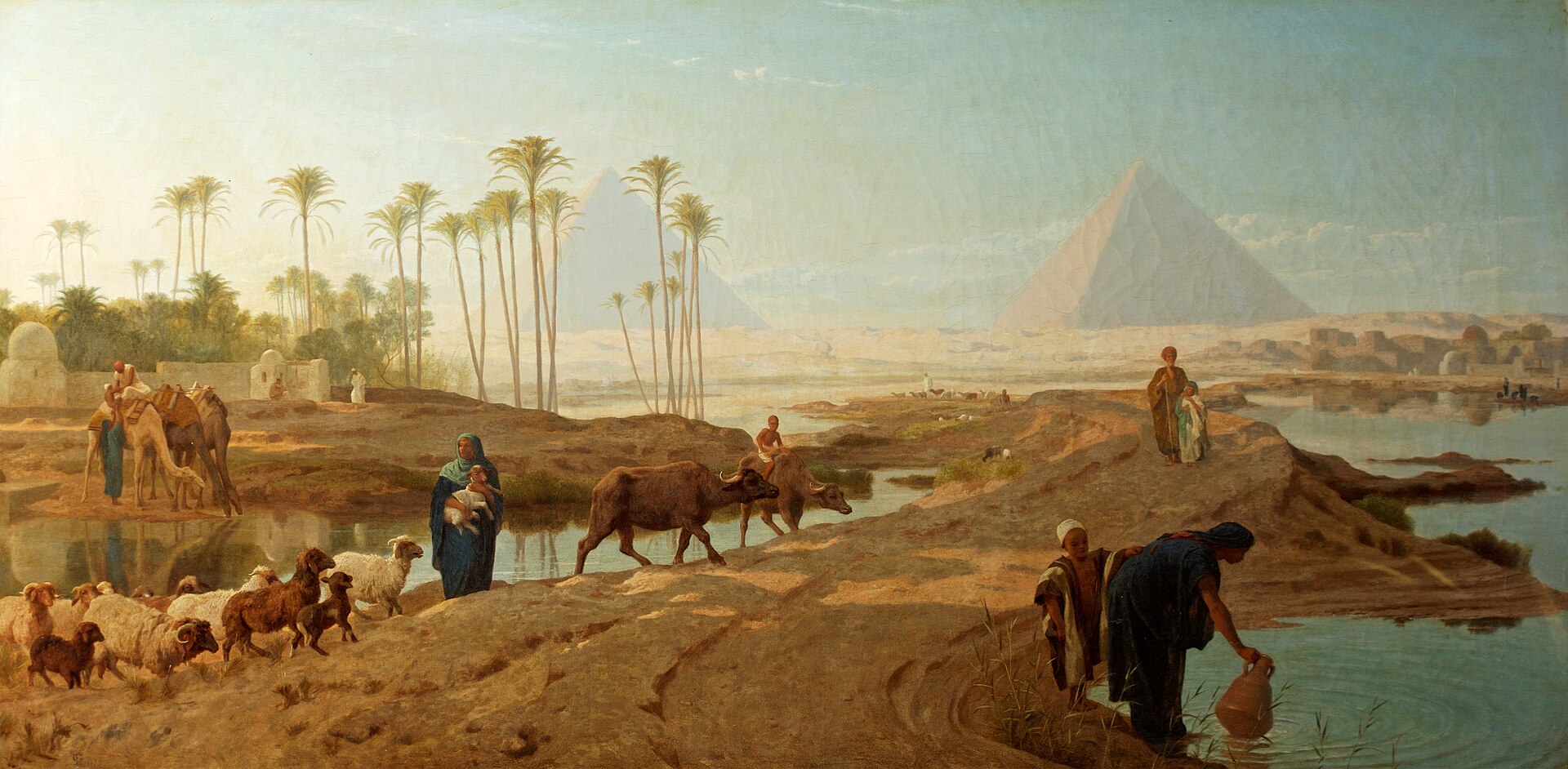
Whether It Be Good, Or Whether It Be Evil
“Then they said to Jeremiah, The LORD be a true and faithful witness between us, if we do not even according to all things for the which the LORD thy God shall send thee to us. Whether it be good, or whether it be evil, we will obey the voice of the LORD our God, to whom we send thee; that it may be well with us, when we obey the voice of the LORD our God.”
Jeremiah 42:5, 6
It sounds like the beginning of a revival. “All the people from the least even unto the greatest” come to Jeremiah and ask him to pray, “That the LORD thy God may shew us the way wherein we may walk” (42:1, 3). Jeremiah agrees and promises to “keep nothing back” (42:4). And the people make a solemn oath: whatever God says, good or bad, we will do it.
Notice one small thing. They keep saying “the LORD thy God” (42:2, 3, 5). Jeremiah answers by calling Him “the LORD your God” (42:4), and only at the end of their oath do they say “the LORD our God.” But the words they used first reveal how distant God was to them. He was Jeremiah’s God. They wanted Jeremiah to consult Him on their behalf.
After Ten Days
“And it came to pass after ten days, that the word of the LORD came unto Jeremiah.”
Jeremiah 42:7
This little verse matters. Jeremiah did not have God’s word on tap. He prayed, and then he waited ten days. The false prophets always had an answer ready, because their answers came from their own hearts. A true prophet could only speak when God spoke. “Wait on the LORD: be of good courage, and he shall strengthen thine heart: wait, I say, on the LORD” (Psalm 27:14).
“If ye will still abide in this land, then will I build you, and not pull you down, and I will plant you, and not pluck you up: for I repent me of the evil that I have done unto you. Be not afraid of the king of Babylon, of whom ye are afraid; be not afraid of him, saith the LORD: for I am with you to save you, and to deliver you from his hand.”
Jeremiah 42:10, 11
The answer was a gracious one. Stay in the land, and God would “build” and “plant” them, the hopeful words from Jeremiah’s call (1:10). They were afraid of Babylon; God said, “be not afraid of him, saith the LORD: for I am with you to save you.” But God also gave a clear warning: if they went down to Egypt to escape war and hunger, the very sword and famine they feared would follow them there (42:15-17).
Ye Dissembled In Your Hearts
“The LORD hath said concerning you, O ye remnant of Judah; Go ye not into Egypt: know certainly that I have admonished you this day. For ye dissembled in your hearts, when ye sent me unto the LORD your God, saying, Pray for us unto the LORD our God; and according unto all that the LORD our God shall say, so declare unto us, and we will do it.”
Jeremiah 42:19, 20
Jeremiah could see it in their faces. “Ye dissembled in your hearts.” They had already decided to go to Egypt. They had camped near Bethlehem on the road south before they ever asked (41:17). They did not want God’s guidance. They wanted God’s approval for a plan they had already made.
That is a temptation for every believer. We pray, “Lord, show me what to do,” when our minds are already made up. The test of a sincere prayer for guidance is whether we are truly willing to hear “no.” Jesus said, “If any man will do his will, he shall know of the doctrine” (John 7:17). Willingness to obey comes first; clear understanding follows.
Thus Came They Even To Tahpanhes
“Then spake Azariah the son of Hoshaiah, and Johanan the son of Kareah, and all the proud men, saying unto Jeremiah, Thou speakest falsely: the LORD our God hath not sent thee to say, Go not into Egypt to sojourn there: But Baruch the son of Neriah setteth thee on against us, for to deliver us into the hand of the Chaldeans, that they might put us to death, and carry us away captives into Babylon.”
Jeremiah 43:2, 3
“Thou speakest falsely.” After forty years of prophecies that had all come true, including the fall of the city they had just watched burn, they called Jeremiah a liar. And they blamed Baruch for putting him up to it. The Bible names the real problem: these were “proud men.” Pride will believe anything rather than admit it must change course.
So the whole remnant went to Egypt, “and Jeremiah the prophet, and Baruch the son of Neriah” with them (43:6). They took God’s prophet along with them while refusing God’s word. “For they obeyed not the voice of the LORD: thus came they even to Tahpanhes” (43:7), a fortress town on Egypt’s eastern border.
“The poor people, after passing through many trials, were finally persuaded by their leaders to take refuge in the land of Egypt. Against this move, Jeremiah lifted his voice in protest. ‘Go ye not into Egypt,’ he pleaded. But the inspired counsel was not heeded.”
Ellen G. White · Prophets and Kings, p. 460
Going back to Egypt was more than a bad travel decision. Egypt was the house of bondage God had rescued Israel from. Moses had warned, “Ye shall henceforth return no more that way” (Deuteronomy 17:16). And Isaiah had said, “Woe to the rebellious children, saith the LORD, that take counsel, but not of me,” and “That walk to go down into Egypt, and have not asked at my mouth” (Isaiah 30:1, 2). These people had asked at His mouth, and gone anyway.
“Take great stones in thine hand, and hide them in the clay in the brickkiln, which is at the entry of Pharaoh’s house in Tahpanhes, in the sight of the men of Judah; And say unto them, Thus saith the LORD of hosts, the God of Israel; Behold, I will send and take Nebuchadrezzar the king of Babylon, my servant, and will set his throne upon these stones that I have hid; and he shall spread his royal pavilion over them.”
Jeremiah 43:9, 10
Even in Egypt, Jeremiah kept preaching. He buried large stones in the brick pavement at the entrance to a royal building in Tahpanhes and declared that Nebuchadnezzar would one day set up his throne right on top of them. They had run to Egypt to escape Babylon. Babylon would follow them there.
The Queen Of Heaven
“As for the word that thou hast spoken unto us in the name of the LORD, we will not hearken unto thee. But we will certainly do whatsoever thing goeth forth out of our own mouth, to burn incense unto the queen of heaven, and to pour out drink offerings unto her, as we have done, we, and our fathers, our kings, and our princes, in the cities of Judah, and in the streets of Jerusalem: for then had we plenty of victuals, and were well, and saw no evil.”
Jeremiah 44:16, 17
Chapter 44 is Jeremiah’s last recorded message. He reminds the refugees why Jerusalem lies in ruins: idolatry. And the people answer him with open defiance. “We will not hearken unto thee.” They had gone back to worshipping “the queen of heaven,” a goddess of the ancient Near East, probably the one known as Ishtar or Astarte, often linked with the evening star. Jeremiah had seen whole families devoted to her years earlier: “The children gather wood, and the fathers kindle the fire, and the women knead their dough, to make cakes to the queen of heaven” (7:18).
Their reasoning is chilling. When we worshipped her, they said, life was good. When we stopped (during King Josiah’s reforms), everything went wrong: “since we left off to burn incense to the queen of heaven, and to pour out drink offerings unto her, we have wanted all things, and have been consumed by the sword and by the famine” (44:18). They read history exactly backward. The disaster came because of their idolatry, and they blamed it on the reformation.
“Because ye have burned incense, and because ye have sinned against the LORD, and have not obeyed the voice of the LORD, nor walked in his law, nor in his statutes, nor in his testimonies; therefore this evil is happened unto you, as at this day.”
Jeremiah 44:23
Jeremiah sets the record straight. The evil did not come because they stopped serving the queen of heaven. It came because they never stopped serving her in their hearts, and never truly walked in God’s “law,” “statutes,” and “testimonies.” The first commandment had always been plain: “Thou shalt have no other gods before me” (Exodus 20:3).
The title “queen of heaven” has a long afterlife. Centuries later it came to be given to Mary, the mother of Jesus, in Christian devotion. Scripture never gives Mary that title, and she never sought it. She called herself “the handmaid of the Lord” (Luke 1:38). The Bible gives worship and heavenly authority to God alone, and names one Mediator: “For there is one God, and one mediator between God and men, the man Christ Jesus” (1 Timothy 2:5).
Whose Words Shall Stand
“Yet a small number that escape the sword shall return out of the land of Egypt into the land of Judah, and all the remnant of Judah, that are gone into the land of Egypt to sojourn there, shall know whose words shall stand, mine, or theirs.”
Jeremiah 44:28
“Whose words shall stand, mine, or theirs.” That is the question of the whole book of Jeremiah, and of the whole Bible. The people had said they would do “whatsoever thing goeth forth out of our own mouth.” God said His word would stand. And even here there is mercy: “a small number that escape the sword shall return.” God never closes the door completely.
“The prophecies of doom pronounced by Jeremiah upon the remnant that had rebelled against Nebuchadnezzar by fleeing to Egypt were mingled with promises of pardon to those who should repent of their folly and stand ready to return.”
Ellen G. White · Prophets and Kings, p. 460
God even gave them a sign they could watch for. Pharaoh Hophra, the king they were trusting to protect them, would be handed over to his enemies, just as Zedekiah had been (44:30). History records that Hophra was later overthrown by one of his own generals and killed.
We do not know how Jeremiah’s life ended. The Bible leaves him in Egypt, an old man among people who would not listen, still faithfully speaking God’s word. His last recorded message is not a success story. But it is a faithful one. And the question he left with them is still the question that matters most: whose words will stand, God’s or ours? “Be ye doers of the word, and not hearers only, deceiving your own selves” (James 1:22).