Chapters 34 and 35 set two groups of people side by side. In chapter 34, during the final siege, the leaders of Jerusalem solemnly promise to free their Hebrew slaves, and do it. Then, when the enemy army pulls back for a little while, they take the slaves back. In chapter 35, years earlier, Jeremiah invites a family of tent-dwellers called the Rechabites into the temple, sets bowls of wine in front of them, and tells them to drink. They politely refuse, because of a command their ancestor gave them two and a half centuries before. God points at the contrast: a family that kept a man’s word for generations, and a nation that could not keep God’s word for a few weeks.
A study in Jeremiah 34-35 · Arthur Baldwin · StandUp4Jesus.Org · 14 min read
A Word For Zedekiah
“Go and speak to Zedekiah king of Judah, and tell him, Thus saith the LORD; Behold, I will give this city into the hand of the king of Babylon, and he shall burn it with fire: And thou shalt not escape out of his hand, but shalt surely be taken, and delivered into his hand; and thine eyes shall behold the eyes of the king of Babylon, and he shall speak with thee mouth to mouth, and thou shalt go to Babylon.”
Jeremiah 34:2, 3
The siege has begun. Nebuchadnezzar’s army has swept through Judah, and only three fortified cities still stand: Jerusalem, and the two named in verse 7, “against Lachish, and against Azekah.” Archaeologists digging at Lachish found letters written on broken pottery by a Judean officer during these very weeks. One of them reports that the signals of Azekah could no longer be seen, which most likely means that city had just fallen.
Into that crisis, Jeremiah brings Zedekiah a hard word and a merciful one. The city will burn, and the king will be taken. But “Thou shalt not die by the sword: But thou shalt die in peace” (34:4, 5). Even now, God was holding out a better end to the king than he deserved, if he would only listen.
Proclaim Liberty
“This is the word that came unto Jeremiah from the LORD, after that the king Zedekiah had made a covenant with all the people which were at Jerusalem, to proclaim liberty unto them; That every man should let his manservant, and every man his maidservant, being an Hebrew or an Hebrewess, go free; that none should serve himself of them, to wit, of a Jew his brother.”
Jeremiah 34:8, 9
The law of Moses allowed a poor Israelite to sell himself into service to pay a debt, but only for a limited time: “if thy brother, an Hebrew man, or an Hebrew woman, be sold unto thee, and serve thee six years; then in the seventh year thou shalt let him go free from thee” (Deuteronomy 15:12). No Israelite was meant to own another Israelite for life. They had all been slaves in Egypt, and God had set them all free.
Judah had ignored this law for generations. God says so: “your fathers hearkened not unto me” (34:14). But with the enemy at the gates, King Zedekiah and the people made a solemn covenant in the temple to free their Hebrew slaves. And God noticed: “ye were now turned, and had done right in my sight” (34:15). For a moment, under pressure, they did the right thing.
But Afterward They Turned
“Now when all the princes, and all the people, which had entered into the covenant, heard that every one should let his manservant, and every one his maidservant, go free, that none should serve themselves of them any more, then they obeyed, and let them go. But afterward they turned, and caused the servants and the handmaids, whom they had let go free, to return, and brought them into subjection for servants and for handmaids.”
Jeremiah 34:10, 11
What happened? Verse 21 gives the clue: the king of Babylon’s army had “gone up from you.” An Egyptian army had marched north, and the Babylonians pulled back from Jerusalem to meet it (37:5). The danger seemed to be over. And as soon as the pressure lifted, the slave owners went and took their slaves back.
This is the oldest pattern in human religion: promises made in a crisis and forgotten when it passes. “When thou vowest a vow unto God, defer not to pay it” (Ecclesiastes 5:4). A repentance that lasts only as long as the danger is not repentance at all. It is fear.
“Therefore thus saith the LORD; Ye have not hearkened unto me, in proclaiming liberty, every one to his brother, and every man to his neighbour: behold, I proclaim a liberty for you, saith the LORD, to the sword, to the pestilence, and to the famine; and I will make you to be removed into all the kingdoms of the earth.”
Jeremiah 34:17
God answers with bitter irony. You would not proclaim liberty to your brothers? Then “I proclaim a liberty for you”: freedom to face the sword, disease and famine without God’s protection. They had taken back the people God set free. Now God would release them to the consequences of their choice.
There is a better liberty. Jesus opened His ministry by reading from Isaiah: “he hath sent me to heal the brokenhearted, to preach deliverance to the captives, and recovering of sight to the blind, to set at liberty them that are bruised” (Luke 4:18). “If the Son therefore shall make you free, ye shall be free indeed” (John 8:36). And He expects the freed to free others: “ye have been called unto liberty; only use not liberty for an occasion to the flesh, but by love serve one another” (Galatians 5:13).
Between The Parts Of The Calf
“And I will give the men that have transgressed my covenant, which have not performed the words of the covenant which they had made before me, when they cut the calf in twain, and passed between the parts thereof, The princes of Judah, and the princes of Jerusalem, the eunuchs, and the priests, and all the people of the land, which passed between the parts of the calf;”
Jeremiah 34:18, 19
This was how solemn covenants were made in the ancient world. An animal was cut in two, and the people making the promise walked between the halves. The meaning was plain: may the same thing happen to me if I break this promise. The leaders of Jerusalem had done this in the temple. They had called down that curse on themselves, and then broken their word.
The same ceremony appears in Genesis, with one great difference. When God made His covenant with Abraham, Abraham cut the animals in two, but only God passed between the pieces, in the form of “a smoking furnace, and a burning lamp” (Genesis 15:17). God took the whole weight of the oath on Himself. That is a picture of the gospel. In the new covenant, God bound Himself to keep the promise, and when we broke it, Christ bore the curse.
We Will Drink No Wine
“And I set before the sons of the house of the Rechabites pots full of wine, and cups, and I said unto them, Drink ye wine. But they said, We will drink no wine: for Jonadab the son of Rechab our father commanded us, saying, Ye shall drink no wine, neither ye, nor your sons for ever: Neither shall ye build house, nor sow seed, nor plant vineyard, nor have any: but all your days ye shall dwell in tents; that ye may live many days in the land where ye be strangers.”
Jeremiah 35:5-7
Chapter 35 steps back in time to the reign of Jehoiakim. The Rechabites were not Israelites by birth. They descended from the Kenites (1 Chronicles 2:55), the family of Moses’ father-in-law, who had travelled with Israel since the wilderness. Their ancestor Jonadab had stood with King Jehu against the worship of Baal some two hundred and fifty years earlier (2 Kings 10:15, 16). He told his descendants to live simply: no wine, no houses, no farms, only tents. Perhaps he wanted to keep them free from the luxury and drunkenness that came with settled city life.
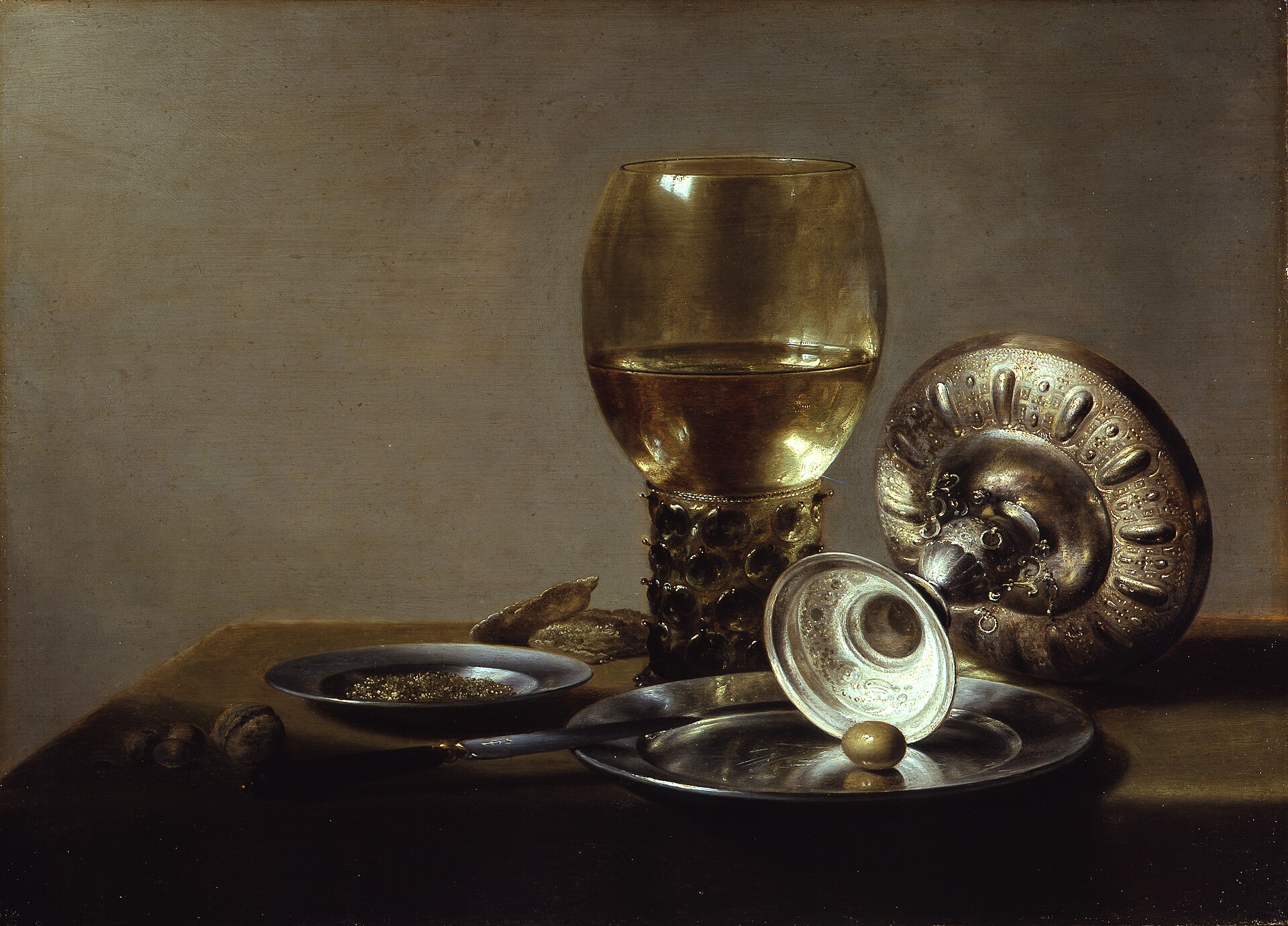
Now, with Nebuchadnezzar’s army in the land, they had taken shelter inside Jerusalem (35:11). God told Jeremiah to bring them into a room in the temple, set “pots full of wine, and cups” before them, and invite them to drink. It was a test, and it was a public one. A prophet of God was offering them wine in God’s own house. They still said no.
“God sought thus to bring into sharp contrast the obedience of the Rechabites with the disobedience and rebellion of His people. The Rechabites had obeyed the command of their father and now refused to be enticed into transgression. But the men of Judah had hearkened not to the words of the Lord, and were in consequence about to suffer His severest judgments.”
Ellen G. White · Prophets and Kings, p. 424
Jonadab’s rule against wine also showed real wisdom. Scripture warns that “Wine is a mocker, strong drink is raging: and whosoever is deceived thereby is not wise” (Proverbs 20:1), and Paul says, “be not drunk with wine, wherein is excess; but be filled with the Spirit” (Ephesians 5:18). A family that stayed clear of alcohol for generations was protected from much of the misery that came with it. For more on why this still matters, see The Health Message.
Will Ye Not Receive Instruction?
“Go and tell the men of Judah and the inhabitants of Jerusalem, Will ye not receive instruction to hearken to my words? saith the LORD. The words of Jonadab the son of Rechab, that he commanded his sons not to drink wine, are performed; for unto this day they drink none, but obey their father’s commandment: notwithstanding I have spoken unto you, rising early and speaking; but ye hearkened not unto me.”
Jeremiah 35:13, 14
Here is the point of the whole scene. Jonadab was a man, and he had been dead for centuries. He gave his command once. Yet his family kept it faithfully. God is the living God, and He had sent prophet after prophet, “rising early and speaking.” And His own people would not listen even once.
“The lesson is for us. If the requirements of a good and wise father, who took the best and most effectual means to secure his posterity against the evils of intemperance, were worthy of strict obedience, surely God’s authority should be held in as much greater reverence as He is holier than man.”
Ellen G. White · Prophets and Kings, p. 425
“And Jeremiah said unto the house of the Rechabites, Thus saith the LORD of hosts, the God of Israel; Because ye have obeyed the commandment of Jonadab your father, and kept all his precepts, and done according unto all that he hath commanded you: Therefore thus saith the LORD of hosts, the God of Israel; Jonadab the son of Rechab shall not want a man to stand before me for ever.”
Jeremiah 35:18, 19
The chapter ends with a blessing on outsiders. These tent-dwelling Kenites, not even Israelites by birth, received a promise from God: their family would never lack “a man to stand before me for ever.” To “stand before” God is the language of a servant in His presence. Faithfulness in small things, kept quietly over generations, mattered to God.
Put the two chapters together and the lesson is plain. Jerusalem’s leaders made a grand covenant in the temple and broke it within weeks. A humble family kept a simple rule for two hundred and fifty years. God is not looking for dramatic promises made under pressure. He is looking for steady, faithful obedience, the kind that says “no” to the cup even when it is offered in His own house.
