Chapters 26 to 28 are the story of a prophet on trial. In chapter 26 Jeremiah preaches in the temple court and the crowd seizes him, shouting, “Thou shalt surely die.” Elders remember an older prophet and save his life, but another prophet named Urijah is not so fortunate. In chapters 27 and 28, under King Zedekiah, Jeremiah walks into a meeting of foreign ambassadors wearing an ox yoke on his neck. A popular prophet named Hananiah pulls it off and breaks it in front of everyone, promising freedom within two years. God’s answer: “Thou hast broken the yokes of wood; but thou shalt make for them yokes of iron.”
A study in Jeremiah 26-28 · Arthur Baldwin · StandUp4Jesus.Org · 19 min read
Diminish Not A Word
“In the beginning of the reign of Jehoiakim the son of Josiah king of Judah came this word from the LORD, saying, Thus saith the LORD; Stand in the court of the LORD’s house, and speak unto all the cities of Judah, which come to worship in the LORD’s house, all the words that I command thee to speak unto them; diminish not a word: If so be they will hearken, and turn every man from his evil way, that I may repent me of the evil, which I purpose to do unto them because of the evil of their doings.”
Jeremiah 26:1-3
Chapter 26 tells what happened after the great temple sermon of chapter 7, when Jeremiah warned the worshippers, “Trust ye not in lying words, saying, The temple of the LORD, The temple of the LORD, The temple of the LORD, are these” (7:4). That study, The Temple Of The LORD Are These, covers the sermon itself. Chapter 26 gives the crowd’s reaction.
Two phrases in God’s instructions stand out. The first is “diminish not a word.” Jeremiah was not to soften the message to make it easier to hear. The second is “If so be they will hearken,” God says, “that I may repent me of the evil.” Even this warning of doom was an invitation. God was not looking for a reason to destroy the city. He was looking for a reason not to.
The warning itself was blunt: if they would not listen, “then will I make this house like Shiloh” (26:6). Shiloh was where the tabernacle had stood in the days of Eli, and it had been destroyed. Everyone in the temple court knew what that meant.
“Israel had vainly thought that, notwithstanding their sinful practices, the presence of the ark would ensure them victory over the Philistines. In like manner, during the days of Jeremiah, the inhabitants of Judah were prone to believe that a strict observance of the divinely appointed services of the temple would preserve them from a just punishment for their wicked course.”
Ellen G. White · Prophets and Kings, p. 416
This Man Is Worthy To Die
“Now it came to pass, when Jeremiah had made an end of speaking all that the LORD had commanded him to speak unto all the people, that the priests and the prophets and all the people took him, saying, Thou shalt surely die. Why hast thou prophesied in the name of the LORD, saying, This house shall be like Shiloh, and this city shall be desolate without an inhabitant? And all the people were gathered against Jeremiah in the house of the LORD.”
Jeremiah 26:8, 9
The ones leading the attack were “the priests and the prophets,” the religious professionals. They took Jeremiah’s warning about the temple as an attack on the temple, and on themselves. The princes came up from the palace and sat down in the gateway to hear the case. The priests and prophets demanded the death penalty: “This man is worthy to die; for he hath prophesied against this city” (26:11).
“Then spake Jeremiah unto all the princes and to all the people, saying, The LORD sent me to prophesy against this house and against this city all the words that ye have heard. Therefore now amend your ways and your doings, and obey the voice of the LORD your God; and the LORD will repent him of the evil that he hath pronounced against you. As for me, behold, I am in your hand: do with me as seemeth good and meet unto you.”
Jeremiah 26:12-14
Jeremiah’s defence is remarkable. He does not take anything back. He does not beg. He repeats the call to repent, right there at his own trial, and then simply puts himself in their hands. His only warning is that if they kill him, they will “bring innocent blood” upon themselves, “for of a truth the LORD hath sent me unto you” (26:15).
“Had the prophet been intimidated by the threatening attitude of those high in authority, his message would have been without effect, and he would have lost his life; but the courage with which he delivered the solemn warning commanded the respect of the people and turned the princes of Israel in his favor.”
Ellen G. White · Prophets and Kings, p. 418
The princes and the people decided: “This man is not worthy to die: for he hath spoken to us in the name of the LORD our God” (26:16). Then some of the elders stood up and reminded everyone of history. About a century earlier, the prophet Micah had said the same thing: “Zion shall be plowed like a field, and Jerusalem shall become heaps” (26:18, quoting Micah 3:12). King Hezekiah did not kill Micah. Instead, “did he not fear the LORD, and besought the LORD, and the LORD repented him of the evil which he had pronounced against them?” (26:19). Hezekiah had shown how a king should answer a hard prophecy: with repentance, not violence.
Two Prophets, Two Endings
“And there was also a man that prophesied in the name of the LORD, Urijah the son of Shemaiah of Kirjath-jearim, who prophesied against this city and against this land according to all the words of Jeremiah: And when Jehoiakim the king, with all his mighty men, and all the princes, heard his words, the king sought to put him to death: but when Urijah heard it, he was afraid, and fled, and went into Egypt;”
Jeremiah 26:20, 21
Jeremiah was not the only true prophet in those days. Urijah preached the same message, “according to all the words of Jeremiah.” King Jehoiakim wanted him dead, and Urijah ran to Egypt. But the king sent men after him, brought him back, killed him with the sword, and threw his body “into the graves of the common people” (26:22, 23).
This little story is placed here on purpose. It shows how close Jeremiah came to the same end. The difference was not that Jeremiah was braver or more deserving. The chapter gives the reason in its last verse: “Nevertheless the hand of Ahikam the son of Shaphan was with Jeremiah, that they should not give him into the hand of the people to put him to death” (26:24). Ahikam was one of the officials King Josiah had sent to ask about the newly found book of the law (2 Kings 22:12). God had placed a friend in the right position.
Urijah is a reminder that faithful servants of God do not always escape. He died for telling the truth. Jesus said, “Blessed are ye, when men shall revile you, and persecute you,” and “so persecuted they the prophets which were before you” (Matthew 5:11, 12). Some of God’s people are rescued from death and some are rescued through it, but none of them are forgotten.
Make Thee Bonds And Yokes
“Thus saith the LORD to me; Make thee bonds and yokes, and put them upon thy neck, And send them to the king of Edom, and to the king of Moab, and to the king of the Ammonites, and to the king of Tyrus, and to the king of Zidon, by the hand of the messengers which come to Jerusalem unto Zedekiah king of Judah;”
Jeremiah 27:2, 3
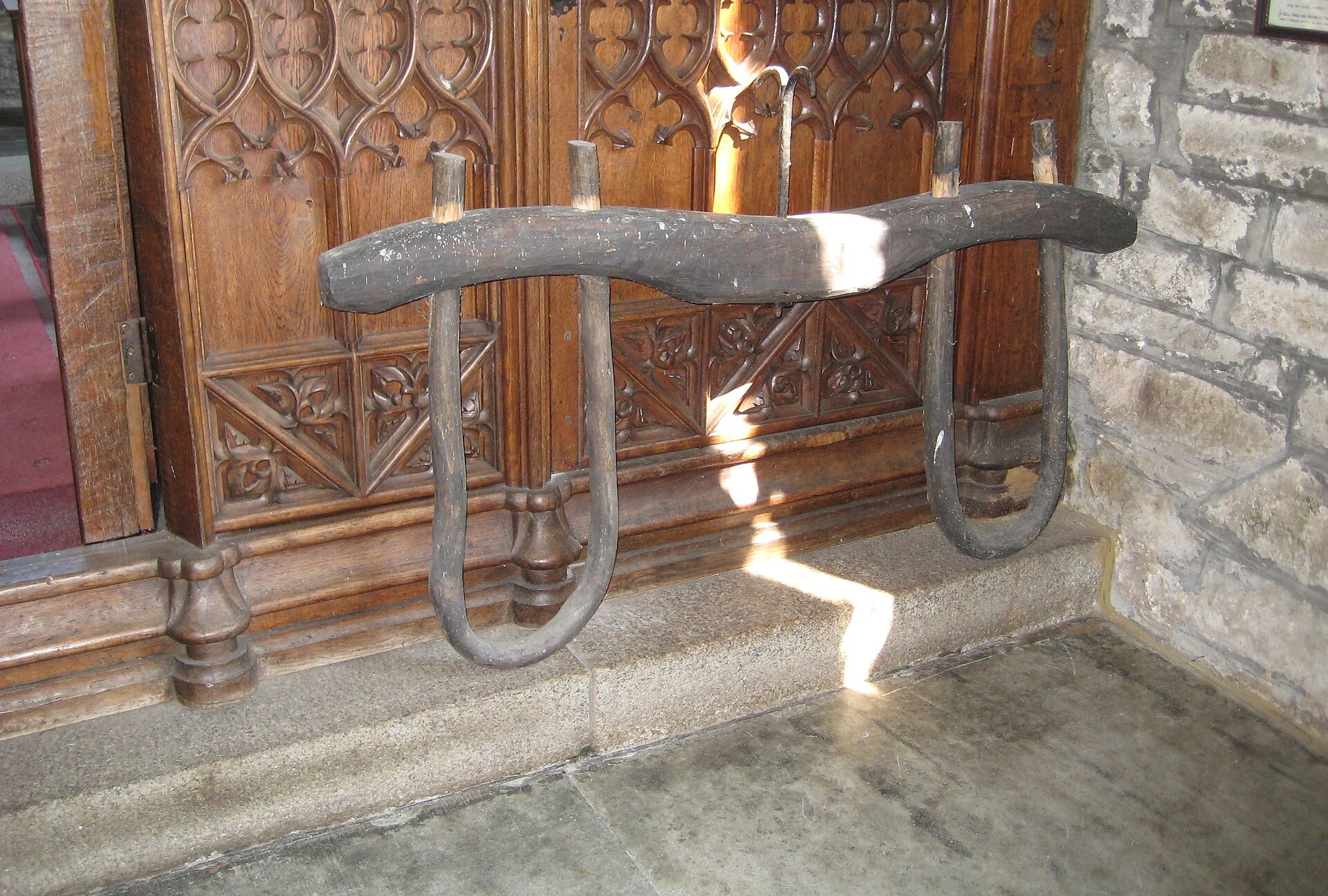
Chapter 27 moves to the reign of Zedekiah. Ambassadors from five small kingdoms had come to Jerusalem. The most likely reason was to plan a joint revolt against Babylon. Into that meeting walked Jeremiah with an ox yoke on his neck: wooden bars tied together with leather straps, the harness that held a pair of oxen to the plough.
“I have made the earth, the man and the beast that are upon the ground, by my great power and by my outstretched arm, and have given it unto whom it seemed meet unto me. And now have I given all these lands into the hand of Nebuchadnezzar the king of Babylon, my servant; and the beasts of the field have I given him also to serve him.”
Jeremiah 27:5, 6
The message to the foreign kings starts with creation. God made the earth, so He decides who rules it. For a set time, He had given the region to Nebuchadnezzar. Daniel would later say the same to Nebuchadnezzar himself: “the most High ruleth in the kingdom of men, and giveth it to whomsoever he will” (Daniel 4:32). And the arrangement had a limit: “until the very time of his land come” (27:7).
The choice before the nations was simple. “The nations that bring their neck under the yoke of the king of Babylon, and serve him, those will I let remain still in their own land” (27:11). To Zedekiah, Jeremiah put it in three words: “serve him and his people, and live” (27:12). And he warned the priests not to believe the prophets who said the temple vessels taken to Babylon would “now shortly be brought again” (27:16). In fact, the rest of the vessels would follow them there, until the day God would “bring them up, and restore them to this place” (27:22). Ezra records that day: “Cyrus the king brought forth the vessels of the house of the LORD, which Nebuchadnezzar had brought forth out of Jerusalem” (Ezra 1:7).
Hananiah Breaks The Yoke
“Thus speaketh the LORD of hosts, the God of Israel, saying, I have broken the yoke of the king of Babylon. Within two full years will I bring again into this place all the vessels of the LORD’s house, that Nebuchadnezzar king of Babylon took away from this place, and carried them to Babylon:”
Jeremiah 28:2, 3
Then came Hananiah of Gibeon. He used all the right words: “Thus speaketh the LORD of hosts, the God of Israel.” He spoke in the temple, in front of the priests and the people. And his message was exactly what everyone wanted to hear. Babylon’s power was broken. The vessels, King Jeconiah, and all the captives would be home “within two full years.”
“Against determined opposition Jeremiah stood firmly for the policy of submission. Prominent among those who presumed to gainsay the counsel of the Lord was Hananiah, one of the false prophets against whom the people had been warned. Thinking to gain the favor of the king and of the royal court, he lifted his voice in protest, declaring that God had given him words of encouragement for the Jews.”
Ellen G. White · Prophets and Kings, p. 444
“Even the prophet Jeremiah said, Amen: the LORD do so: the LORD perform thy words which thou hast prophesied, to bring again the vessels of the LORD’s house, and all that is carried away captive, from Babylon into this place. Nevertheless hear thou now this word that I speak in thine ears, and in the ears of all the people; The prophets that have been before me and before thee of old prophesied both against many countries, and against great kingdoms, of war, and of evil, and of pestilence. The prophet which prophesieth of peace, when the word of the prophet shall come to pass, then shall the prophet be known, that the LORD hath truly sent him.”
Jeremiah 28:6-9
Jeremiah’s first answer is surprising: “Amen: the LORD do so.” He did not want to be right about disaster. He would have loved for Hananiah’s words to come true. A true servant of God takes no pleasure in announcing judgment.
But then he gives the test. The prophets of old mostly warned of judgment. A prophet who promises peace has to wait for events to prove him. This is the test Moses had given long before: “When a prophet speaketh in the name of the LORD, if the thing follow not, nor come to pass, that is the thing which the LORD hath not spoken” (Deuteronomy 18:22).
“Then Hananiah the prophet took the yoke from off the prophet Jeremiah’s neck, and brake it. And Hananiah spake in the presence of all the people, saying, Thus saith the LORD; Even so will I break the yoke of Nebuchadnezzar king of Babylon from the neck of all nations within the space of two full years. And the prophet Jeremiah went his way.”
Jeremiah 28:10, 11
Hananiah answered with a piece of theatre. He pulled the yoke off Jeremiah’s neck and snapped it in front of the crowd. It must have been a powerful moment. And Jeremiah’s response? “The prophet Jeremiah went his way.” He did not argue. He did not try to win the crowd back. He had no new word from God yet, so he said nothing. Sometimes the most faithful thing a servant of God can do is to wait for the Lord to speak.
Yokes Of Iron
“Go and tell Hananiah, saying, Thus saith the LORD; Thou hast broken the yokes of wood; but thou shalt make for them yokes of iron. For thus saith the LORD of hosts, the God of Israel; I have put a yoke of iron upon the neck of all these nations, that they may serve Nebuchadnezzar king of Babylon; and they shall serve him: and I have given him the beasts of the field also.”
Jeremiah 28:13, 14
Then the word came. Hananiah had broken a wooden yoke, but he could not break God’s plan. By teaching the people to resist, he had only made their bondage harder. The wooden yoke of willing submission would become an iron yoke of forced captivity.
“God had said that His people should be saved, that the yoke He would lay upon them should be light, if they submitted uncomplainingly to His plan. Their servitude was represented by a yoke of wood, which was easily borne; but resistance would be met with corresponding severity, represented by the yoke of iron.”
Ellen G. White · Testimonies for the Church, vol. 4, p. 172
“Then said the prophet Jeremiah unto Hananiah the prophet, Hear now, Hananiah; The LORD hath not sent thee; but thou makest this people to trust in a lie. Therefore thus saith the LORD; Behold, I will cast thee from off the face of the earth: this year thou shalt die, because thou hast taught rebellion against the LORD. So Hananiah the prophet died the same year in the seventh month.”
Jeremiah 28:15-17
Hananiah had promised freedom in two years. He was dead in about two. Not two years, but two months: he made his announcement “in the fifth month” (28:1), and he died “in the seventh month.” The test of Deuteronomy 18 was settled in front of everyone. And notice how God describes Hananiah’s comforting message: “thou hast taught rebellion against the LORD.” A message of false hope is not harmless. It teaches people to resist the very thing God is doing for their good.
There is a yoke God offers to all of us, and it is not iron. Jesus said: “Take my yoke upon you, and learn of me; for I am meek and lowly in heart: and ye shall find rest unto your souls. For my yoke is easy, and my burden is light” (Matthew 11:29, 30). Submitting to God can look like defeat, the way surrender to Babylon looked like defeat. But the yoke He asks us to wear is lighter than anything we will carry if we refuse it.