Paul had spent only a few weeks in Thessalonica before a mob drove him out of the city by night. He left behind a church of brand-new believers facing persecution with almost no one to guide them. Months later, Timothy brought word that they were standing firm, and Paul wrote this letter overflowing with thanks. In its first chapter he remembers how the gospel came to them in power, how they turned to God from idols, and how they now lived waiting for His Son from heaven.
A study in 1 Thessalonians 1 · Arthur Baldwin · StandUp4Jesus.Org · 14 min read
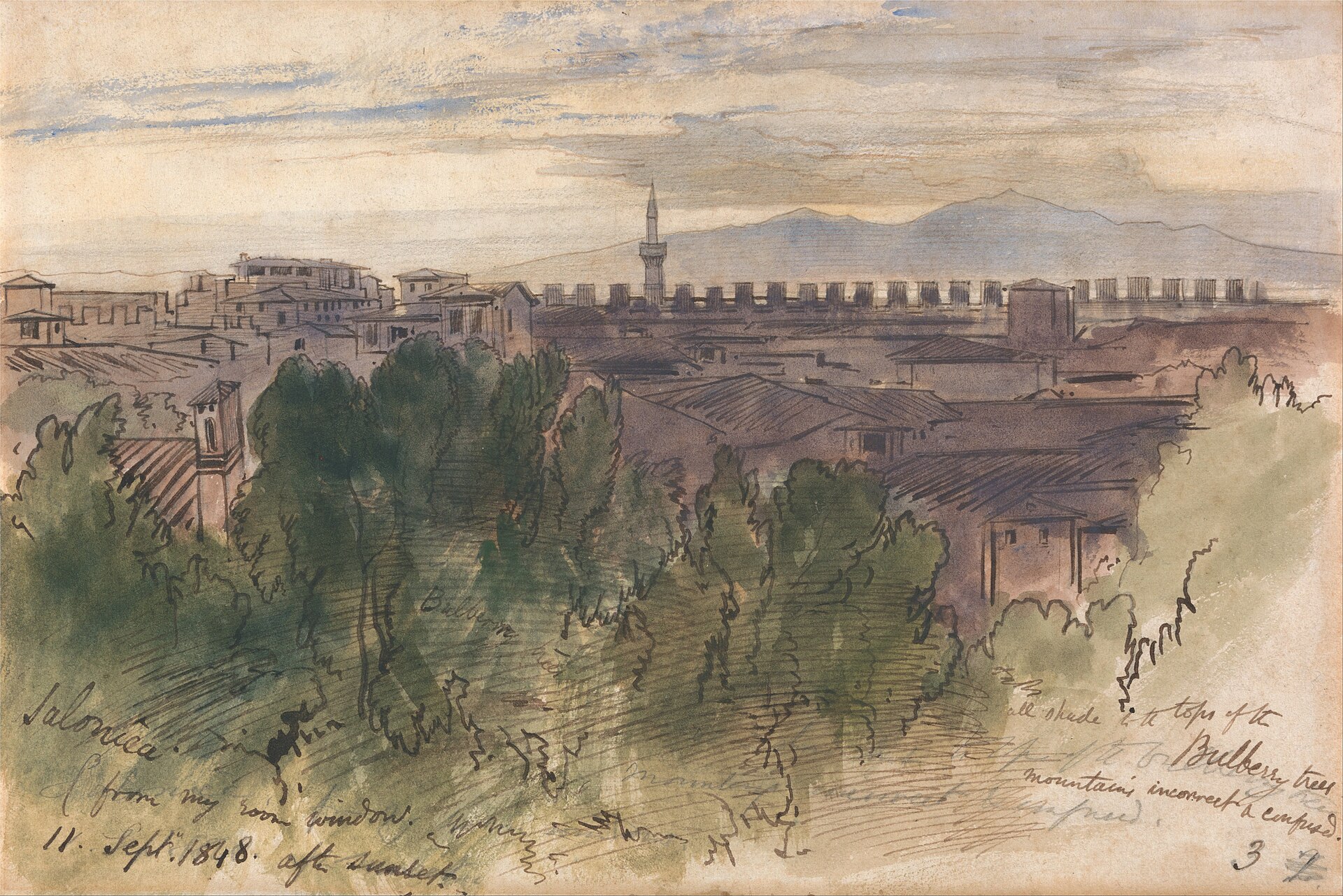
Three Sabbath Days In Thessalonica
To read this letter well, we need the story behind it. Luke tells it in Acts 17.
“Now when they had passed through Amphipolis and Apollonia, they came to Thessalonica, where was a synagogue of the Jews: And Paul, as his manner was, went in unto them, and three sabbath days reasoned with them out of the scriptures, Opening and alleging, that Christ must needs have suffered, and risen again from the dead; and that this Jesus, whom I preach unto you, is Christ. And some of them believed, and consorted with Paul and Silas; and of the devout Greeks a great multitude, and of the chief women not a few.”
Acts 17:1-4
Paul came to Thessalonica straight from Philippi, still bearing the marks of the beating and the stocks (1 Thessalonians 2:2). “As his manner was,” he went to the synagogue on the Sabbath and opened the Old Testament to show that the Messiah had to suffer and rise again. Some Jews believed, along with a great number of God-fearing Greeks and leading women of the city. And from the start, Paul taught them about Christ’s return.
“He carried the minds of his hearers beyond the earthly service and the ministry of Christ in the heavenly sanctuary, to the time when, having completed His mediatorial work, Christ would come again in power and great glory, and establish His kingdom on the earth. Paul was a believer in the second coming of Christ; so clearly and forcibly did he present the truths concerning this event, that upon the minds of many who heard there was made an impression which never wore away.”
Ellen G. White · The Acts of the Apostles, p. 228
Then the opposition came. A mob stormed the house of Jason, where the missionaries were staying, and dragged him before the city rulers with a charge that was dangerous in a Roman city: these men “do contrary to the decrees of Cæsar, saying that there is another king, one Jesus” (Acts 17:7). That same night, the believers sent Paul and Silas away to Berea (the study of Acts 17 follows them there). Paul had to leave a newborn church in a hostile city. He tried more than once to come back, and could not (2:18). So he sent Timothy, and when Timothy returned with good news, Paul wrote this letter from Corinth.
Work Of Faith, Labour Of Love, Patience Of Hope
“Paul, and Silvanus, and Timotheus, unto the church of the Thessalonians which is in God the Father and in the Lord Jesus Christ: Grace be unto you, and peace, from God our Father, and the Lord Jesus Christ. We give thanks to God always for you all, making mention of you in our prayers; Remembering without ceasing your work of faith, and labour of love, and patience of hope in our Lord Jesus Christ, in the sight of God and our Father;”
1 Thessalonians 1:1-3
Silvanus is the Latin form of Silas, Paul’s companion in the Philippian jail. The church is “in God the Father and in the Lord Jesus Christ” — a small, persecuted group whose true address was not a street in Thessalonica but God Himself.
Verse 3 pairs each of the three great Christian graces with what it produces. Faith is not idle; it works. Love is not only a feeling; it labors, and the word means toil to the point of weariness. Hope is not wishful thinking; it produces “patience,” steady endurance under pressure. And the object of all three is “our Lord Jesus Christ.”
“The arrival of Silas and Timothy from Macedonia, during Paul’s sojourn in Corinth, had greatly cheered the apostle. They brought him ‘good tidings’ of the ‘faith and charity’ of those who had accepted the truth during the first visit of the gospel messengers to Thessalonica. Paul’s heart went out in tender sympathy toward these believers, who, in the midst of trial and adversity, had remained true to God.”
Ellen G. White · The Acts of the Apostles, p. 255
Not In Word Only, But Also In Power
“Knowing, brethren beloved, your election of God. For our gospel came not unto you in word only, but also in power, and in the Holy Ghost, and in much assurance; as ye know what manner of men we were among you for your sake. And ye became followers of us, and of the Lord, having received the word in much affliction, with joy of the Holy Ghost:”
1 Thessalonians 1:4-6
How did Paul know these believers were chosen by God? Not by some secret knowledge of an eternal decree, but by what he had seen happen. The gospel “came not unto you in word only, but also in power, and in the Holy Ghost.” Their lives had been changed. Election, in Paul’s letters, is always election “in Christ,” revealed in those who receive Him (the study of Ephesians 1 looks at this closely).
And notice the unusual combination in verse 6: “much affliction, with joy of the Holy Ghost.” They believed at great cost — the riot at Jason’s house was only the beginning — and they believed with joy. Only the Spirit of God can produce both at once.
From You Sounded Out The Word Of The Lord
“So that ye were ensamples to all that believe in Macedonia and Achaia. For from you sounded out the word of the Lord not only in Macedonia and Achaia, but also in every place your faith to God-ward is spread abroad; so that we need not to speak any thing.”
1 Thessalonians 1:7-8
“Sounded out” is the word for a trumpet blast or a peal of thunder echoing across the land. Thessalonica sat on the Via Egnatia, the great Roman highway between Asia and Italy, and it was a busy seaport. Travelers and merchants carried the story of this church everywhere they went. The young believers had become, within months, an example to the whole region.
“The Thessalonian believers were true missionaries. Their hearts burned with zeal for their Saviour, who had delivered them from fear of ‘the wrath to come.’ Through the grace of Christ a marvelous transformation had taken place in their lives, and the word of the Lord, as spoken through them, was accompanied with power. Hearts were won by the truths presented, and souls were added to the number of believers.”
Ellen G. White · The Acts of the Apostles, p. 256
To Wait For His Son From Heaven
“For they themselves shew of us what manner of entering in we had unto you, and how ye turned to God from idols to serve the living and true God; And to wait for his Son from heaven, whom he raised from the dead, even Jesus, which delivered us from the wrath to come.”
1 Thessalonians 1:9-10
These two verses are a complete summary of Christian conversion, and they have three parts.
“Ye turned to God from idols.” Most of these believers had been Gentiles, worshipers of the gods whose temples filled the city. Notice the order: they turned to God from idols. They did not first clean up their lives and then come to God. They came to God, and the idols lost their hold.
“To serve the living and true God.” The idols were dead and false; the God they now served is living and true. And conversion is not only a turning away but a turning to service.
“And to wait for his Son from heaven.” The Christian life in Thessalonica was lived looking up. The Jesus they waited for was not a dead teacher but the One “whom he raised from the dead,” and He was coming back. Every chapter of this letter ends with His return (1:10; 2:19; 3:13; 4:16-17; 5:23). This was not a side doctrine. It was the hope that shaped everything.
“Delivered us from the wrath to come.” God’s judgment against sin is real, and it is coming. But the One the Thessalonians waited for is the One who has already rescued them from it. They did not wait for Him in fear. They waited for their Deliverer.
So the first chapter shows us a church only a few months old that had become a model for everyone around it. Its faith worked, its love labored, and its hope endured, because all three rested on Jesus Christ — the risen Son of God who was coming again. The chapters that follow will show how Paul had cared for them, how anxiously he had waited for news, and what he taught them about the day when their waiting would end.