By the time Paul wrote his second letter, the persecution in Thessalonica had grown worse. Yet the church’s faith and love were growing too. The first chapter of 2 Thessalonians thanks God for their endurance and lifts their eyes to the day when the injustice they suffered will be set right: when the Lord Jesus is revealed from heaven with His mighty angels, bringing rest to His troubled people and judgment on those who reject Him, and coming to be glorified in His saints.
A study in 2 Thessalonians 1 · Arthur Baldwin · StandUp4Jesus.Org · 15 min read
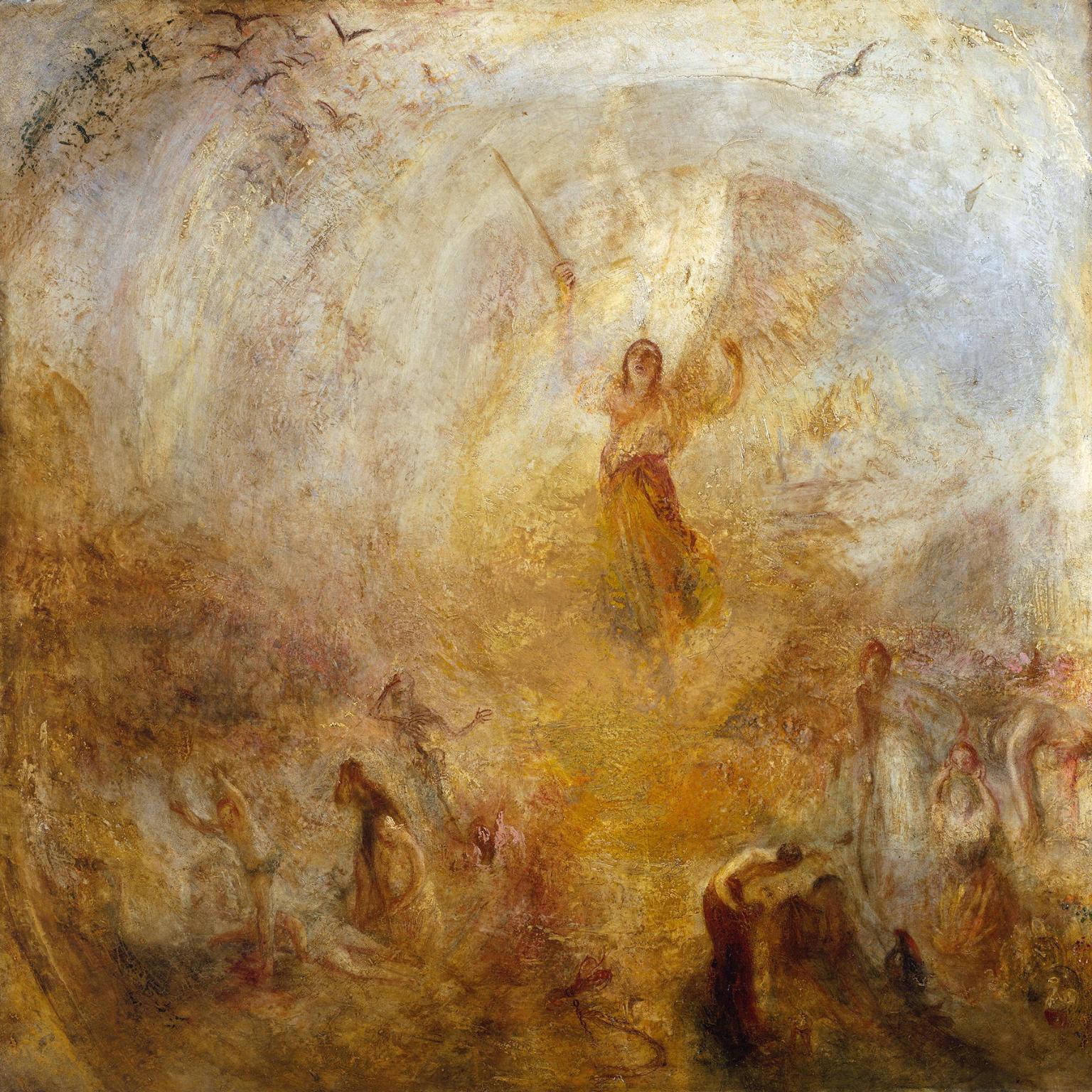
Your Faith Groweth Exceedingly
“Paul, and Silvanus, and Timotheus, unto the church of the Thessalonians in God our Father and the Lord Jesus Christ: Grace unto you, and peace, from God our Father and the Lord Jesus Christ. We are bound to thank God always for you, brethren, as it is meet, because that your faith groweth exceedingly, and the charity of every one of you all toward each other aboundeth; So that we ourselves glory in you in the churches of God for your patience and faith in all your persecutions and tribulations that ye endure:”
2 Thessalonians 1:1-4
In his first letter Paul had prayed that the Lord would make their love “increase and abound” (1 Thessalonians 3:12). Now he thanks God that the prayer has been answered. Their faith “groweth exceedingly” — the word pictures a plant shooting up — and their love for each other “aboundeth.” Paul was so proud of them that he held them up as an example in other churches.
And all this was happening “in all your persecutions and tribulations.” Hardship had not crushed their faith; it had made it grow. The same fire that destroys straw hardens clay.
“He again expressed his confidence in their integrity, and his gratitude that their faith was strong, and that their love abounded for one another and for the cause of their Master. He told them that he presented them to other churches as an example of the patient, persevering faith that bravely withstands persecution and tribulation, and he carried their minds forward to the time of the second coming of Christ, when the people of God shall rest from all their cares and perplexities.”
Ellen G. White · The Acts of the Apostles, p. 264
The Righteous Judgment Of God
“Which is a manifest token of the righteous judgment of God, that ye may be counted worthy of the kingdom of God, for which ye also suffer: Seeing it is a righteous thing with God to recompense tribulation to them that trouble you; And to you who are troubled rest with us, when the Lord Jesus shall be revealed from heaven with his mighty angels,”
2 Thessalonians 1:5-7
Suffering believers often ask whether God sees what is happening to them, and whether He cares. Paul says their very endurance is “a manifest token,” clear evidence, that God is just and is at work. Their steadfastness shows that God’s grace is real in them. And it points to a day when the scales will be balanced.
Paul names both sides of that balance. For those who trouble God’s people, there will be trouble. For the troubled, there will be “rest.” The word means relief, the loosening of a tight strain, like a bowstring released. And notice “rest with us”: Paul, too, was being persecuted in Corinth. He does not stand above them handing out advice. He waits for the same day, in the same hope.
That rest does not come at death, or gradually as society improves. It comes at a definite moment: “when the Lord Jesus shall be revealed from heaven.” As in the first letter (see the study of 1 Thessalonians 4), everything waits for His appearing.
Revealed From Heaven With His Mighty Angels
“In flaming fire taking vengeance on them that know not God, and that obey not the gospel of our Lord Jesus Christ: Who shall be punished with everlasting destruction from the presence of the Lord, and from the glory of his power;”
2 Thessalonians 1:8-9
“Revealed” is apokalypsis — unveiling. Christ is not absent now; He is hidden from the world’s view, ministering in the heavenly sanctuary. At His coming, the veil is drawn back and He is seen as He is, accompanied by “his mighty angels” and blazing with “flaming fire.” When God came down on Sinai to speak the law, the mountain burned with fire. At Christ’s coming, the whole earth will see a greater glory.
“When the divine Presence was manifested upon Sinai, the glory of the Lord was like devouring fire in the sight of all Israel. But when Christ shall come in glory with His holy angels the whole earth shall be ablaze with the terrible light of His presence.”
Ellen G. White · Patriarchs and Prophets, p. 339
“Vengeance” here does not mean spite or revenge. It means justice: the right settlement of wrong. Paul says it falls on two groups, “them that know not God, and that obey not the gospel.” This is not a punishment for ignorance that people could not help. It is the result of refusing the light God gave. Those who would not have God in their lives will at last be given what they chose: separation “from the presence of the Lord.”
Everlasting Destruction
What is “everlasting destruction”? Many read it as endless torment, a destruction that goes on being carried out forever. But that is not what the words say. Something that is destroyed ceases to exist. “Everlasting” describes how long the result lasts, not how long the process takes. Scripture uses the same kind of language elsewhere. Christ “obtained eternal redemption for us” (Hebrews 9:12), but He is not redeeming us forever; He did it once, and its result is eternal. In the same way, “everlasting destruction” is a destruction from which there is no return.
The rest of Scripture agrees. “The wages of sin is death; but the gift of God is eternal life” (Romans 6:23). The choice is between life and death, not between two kinds of eternal life. Malachi says the day will come “that shall burn as an oven,” and it shall leave the wicked “neither root nor branch”; they will be “ashes under the soles of your feet” (Malachi 4:1, 3; see the study of Malachi 4).
“Says an inspired writer: ‘Yet a little while, and the wicked shall not be: yea, thou shalt diligently consider his place, and it shall not be.’ And another declares: ‘They shall be as though they had not been.’ Psalm 37:10; Obadiah 16. Covered with infamy, they sink into hopeless, eternal oblivion. Thus will be made an end of sin, with all the woe and ruin which have resulted from it. … There will then be no lost souls to blaspheme God as they writhe in never-ending torment; no wretched beings in hell will mingle their shrieks with the songs of the saved.”
Ellen G. White · The Great Controversy, p. 544, 545
This matters because it tells us what kind of God we serve. A God who kept His enemies alive forever in order to torment them would be more cruel than any tyrant. The God of the Bible is just, and He will bring sin to an end; but He takes no pleasure in the death of the wicked (Ezekiel 33:11), and when sin is finished, it will be finished forever.
Glorified In His Saints
“When he shall come to be glorified in his saints, and to be admired in all them that believe (because our testimony among you was believed) in that day.”
2 Thessalonians 1:10
Paul does not end with judgment. He ends with glory. On that day Christ will be “glorified in his saints” — His glory will be seen in them, in what His grace has made of ordinary, persecuted, imperfect people. The whole universe will marvel, not at the saints themselves, but at the Saviour who redeemed them. And the Thessalonians will be there, “because our testimony among you was believed.”
“Wherefore also we pray always for you, that our God would count you worthy of this calling, and fulfil all the good pleasure of his goodness, and the work of faith with power: That the name of our Lord Jesus Christ may be glorified in you, and ye in him, according to the grace of our God and the Lord Jesus Christ.”
2 Thessalonians 1:11-12
Paul prays that God will make them worthy of their calling — not by their own effort but “according to the grace of our God.” And he prays that God will “fulfil all the good pleasure of his goodness” in them. God’s goodness has a plan, and He intends to finish it.
“The petition, ‘Thy will be done in earth, as it is in heaven,’ is a prayer that the reign of evil on this earth may be ended, that sin may be forever destroyed, and the kingdom of righteousness be established. Then in earth as in heaven will be fulfilled ‘all the good pleasure of His goodness.’ 2 Thessalonians 1:11.”
Ellen G. White · Thoughts From the Mount of Blessing, p. 110
So the first chapter gives suffering believers two things to hold on to. God sees, and God is just: every wrong will be righted when Jesus is revealed from heaven. And God is good: the day that brings an end to sin will also bring rest to His people and reveal His glory in them. The next chapter will answer the question that was unsettling the church — had that day already come? — and describe what must happen first.
