Before there was sin, before there was money, before there was a single church, God gave Adam and Eve a job. They were to dress and keep a garden, rule over the creatures, fill the earth, rest with Him on the Sabbath, and leave one tree alone. Every principle of Christian stewardship, including the tithe, grows out of that first job description. This study traces it from Eden to the new earth.
A Bible study · Arthur Baldwin · StandUp4Jesus.Org · 10 min read
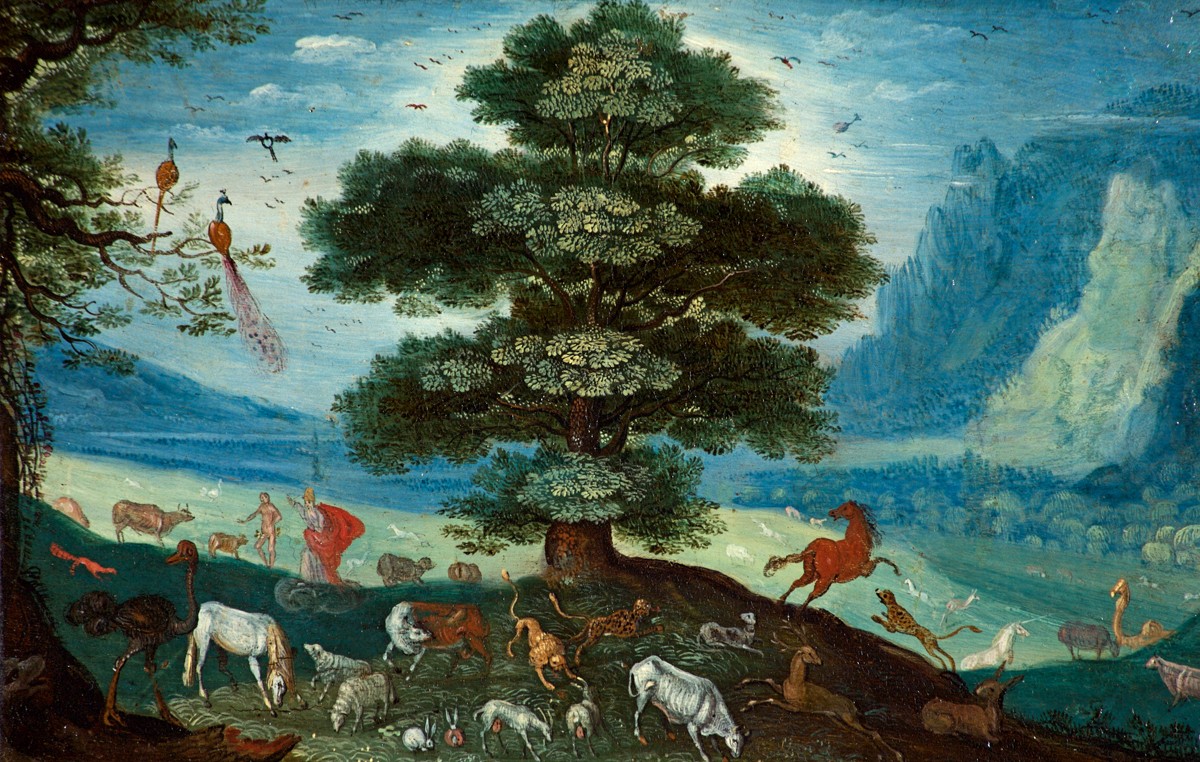
The First Job Description
“And God blessed them, and God said unto them, Be fruitful, and multiply, and replenish the earth, and subdue it: and have dominion over the fish of the sea, and over the fowl of the air, and over every living thing that moveth upon the earth.”
Genesis 1:28
“And the LORD God took the man, and put him into the garden of Eden to dress it and to keep it.”
Genesis 2:15
God did not create Adam and Eve to sit idle in paradise. He gave them work, and the work was part of the blessing:
“To the dwellers in Eden was committed the care of the garden, ‘to dress it and to keep it.’ Their occupation was not wearisome, but pleasant and invigorating. God appointed labor as a blessing to man, to occupy his mind, to strengthen his body, and to develop his faculties.”
Ellen G. White · Patriarchs and Prophets, p. 50
Look at everything that first job description included:
- Dress the garden: productive, useful work.
- Keep the garden: guard and care for what God made. The Hebrew word shamar means to watch over, to protect.
- Have dominion: rule the creatures, not as owners, but as God’s representatives, the way He would rule them.
- Name the animals: creative, thoughtful work (Genesis 2:19).
- Be fruitful: build a family and fill the earth.
- Rest on the Sabbath: give God the time He blessed (see The Bible Sabbath).
- Leave one tree alone: honor the one thing God reserved for Himself.
Every one of those is stewardship: managing, on God’s behalf, something that belongs to Him. Adam was not the landlord of Eden. He was the manager.
Owners Or Managers?
The whole Bible repeats the lesson of Eden. We own nothing:
“The earth is the LORD’s, and the fulness thereof; the world, and they that dwell therein.”
Psalm 24:1
“The silver is mine, and the gold is mine, saith the LORD of hosts.”
Haggai 2:8
Even our ability to earn a living is His gift:
“But thou shalt remember the LORD thy God: for it is he that giveth thee power to get wealth, that he may establish his covenant which he sware unto thy fathers, as it is this day.”
Deuteronomy 8:18
“That which lies at the foundation of business integrity and of true success is the recognition of God’s ownership. The Creator of all things, He is the original proprietor. We are His stewards. All that we have is a trust from Him, to be used according to His direction.”
Ellen G. White · Education, p. 137
And a manager is judged by one quality above all:
“Moreover it is required in stewards, that a man be found faithful.”
1 Corinthians 4:2
The One Tree And The Tenth
God gave Adam and Eve the entire garden, with a single exception:
“And the LORD God commanded the man, saying, Of every tree of the garden thou mayest freely eat: But of the tree of the knowledge of good and evil, thou shalt not eat of it: for in the day that thou eatest thereof thou shalt surely die.”
Genesis 2:16-17
Why hold back one tree? Not because God needed its fruit. It was the one place where Adam and Eve could show, by what they left alone, that they trusted Him and acknowledged Him as the Owner of everything else. Ellen White draws the line straight from that tree to the tithe:
“The Lord placed our first parents in the Garden of Eden. He surrounded them with everything that could minister to their happiness, and He bade them acknowledge Him as the possessor of all things. In the garden He caused to grow every tree that was pleasant to the eye or good for food; but among them He made one reserve. Of all else, Adam and Eve might freely eat; but of this one tree God said, ‘Thou shalt not eat of it.’ Here was the test of their gratitude and loyalty to God.”
Ellen G. White · Counsels on Stewardship, p. 65
“He asks us to acknowledge Him as the Giver of all things; and for this reason He says, Of all your possessions I reserve a tenth for Myself, besides gifts and offerings, which are to be brought into My storehouse.”
Ellen G. White · Counsels on Stewardship, p. 65
The first sin was taking what God had reserved. The tithe is the daily opportunity to do the opposite. God gives us everything, and asks us to leave one tenth of our increase untouched, to return it to Him. The same is true of time: God gives us six days and reserves the seventh.
“While we as a people are seeking faithfully to give to God the time which He has reserved as His own, shall we not also render to Him that portion of our means which He claims?”
Ellen G. White · Counsels on Stewardship, p. 66
Tithing Before Moses
The tithe did not begin with the law of Moses. The first tithe in the Bible was paid by Abraham, to a priest-king:
“And Melchizedek king of Salem brought forth bread and wine: and he was the priest of the most high God. And he blessed him, and said, Blessed be Abram of the most high God, possessor of heaven and earth: And blessed be the most high God, which hath delivered thine enemies into thy hand. And he gave him tithes of all.”
Genesis 14:18-20
Hebrews says that Melchisedec was a picture of Christ, “made like unto the Son of God” (Hebrews 7:3), and that in heaven our tithes are received by the One of whom “it is witnessed that he liveth” (Hebrews 7:8). When we return the tithe, we are doing what Abraham did: acknowledging our King and High Priest. (See Melchizedek Message and A Priest Of The Most High God on Genesis 14.)
Abraham’s grandson Jacob made the same pledge at Bethel:
“And Jacob vowed a vow, saying, If God will be with me, and will keep me in this way that I go, and will give me bread to eat, and raiment to put on, So that I come again to my father’s house in peace; then shall the LORD be my God: And this stone, which I have set for a pillar, shall be God’s house: and of all that thou shalt give me I will surely give the tenth unto thee.”
Genesis 28:20-22
“The tithing system reaches back beyond the days of Moses. Men were required to offer to God gifts for religious purposes, before the definite system was given to Moses, even as far back as the days of Adam.”
Ellen G. White · The SDA Bible Commentary, vol. 1, p. 1093
Holy Unto The LORD
“And all the tithe of the land, whether of the seed of the land, or of the fruit of the tree, is the LORD’s: it is holy unto the LORD.”
Leviticus 27:30
The tithe is not ours to give. It is already His; we simply return it. In Israel it supported the Levites, who served the sanctuary full-time and had no land of their own (Numbers 18:21). Paul applies the same principle to those who preach the gospel: “Even so hath the Lord ordained that they which preach the gospel should live of the gospel” (1 Corinthians 9:14). And Malachi, the last Old Testament prophet, gives God’s own challenge:
“Will a man rob God? Yet ye have robbed me. But ye say, Wherein have we robbed thee? In tithes and offerings. Ye are cursed with a curse: for ye have robbed me, even this whole nation. Bring ye all the tithes into the storehouse, that there may be meat in mine house, and prove me now herewith, saith the LORD of hosts, if I will not open you the windows of heaven, and pour you out a blessing, that there shall not be room enough to receive it.”
Malachi 3:8-10
Here God Himself invites His people to put Him to the test: “prove me now herewith.” He dares them to find Him unfaithful. (See Will A Man Rob God on Malachi 3.)
“No appeal is made to gratitude or to generosity. This is a matter of simple honesty. The tithe is the Lord’s; and He bids us return to Him that which is His own.”
Ellen G. White · Education, p. 138
Did Jesus Do Away With The Tithe?
Jesus rebuked the Pharisees for tithing the smallest garden herbs while neglecting justice and mercy. But notice what He said about the tithing itself:
“Woe unto you, scribes and Pharisees, hypocrites! for ye pay tithe of mint and anise and cummin, and have omitted the weightier matters of the law, judgment, mercy, and faith: these ought ye to have done, and not to leave the other undone.”
Matthew 23:23
“These ought ye to have done, and not to leave the other undone.” Jesus did not abolish the tithe. He put it in its place: faithful giving together with a faithful heart.
Stewards Of Everything
The tithe is only the beginning. Adam’s job covered his whole life, and so does ours.
Our Talents
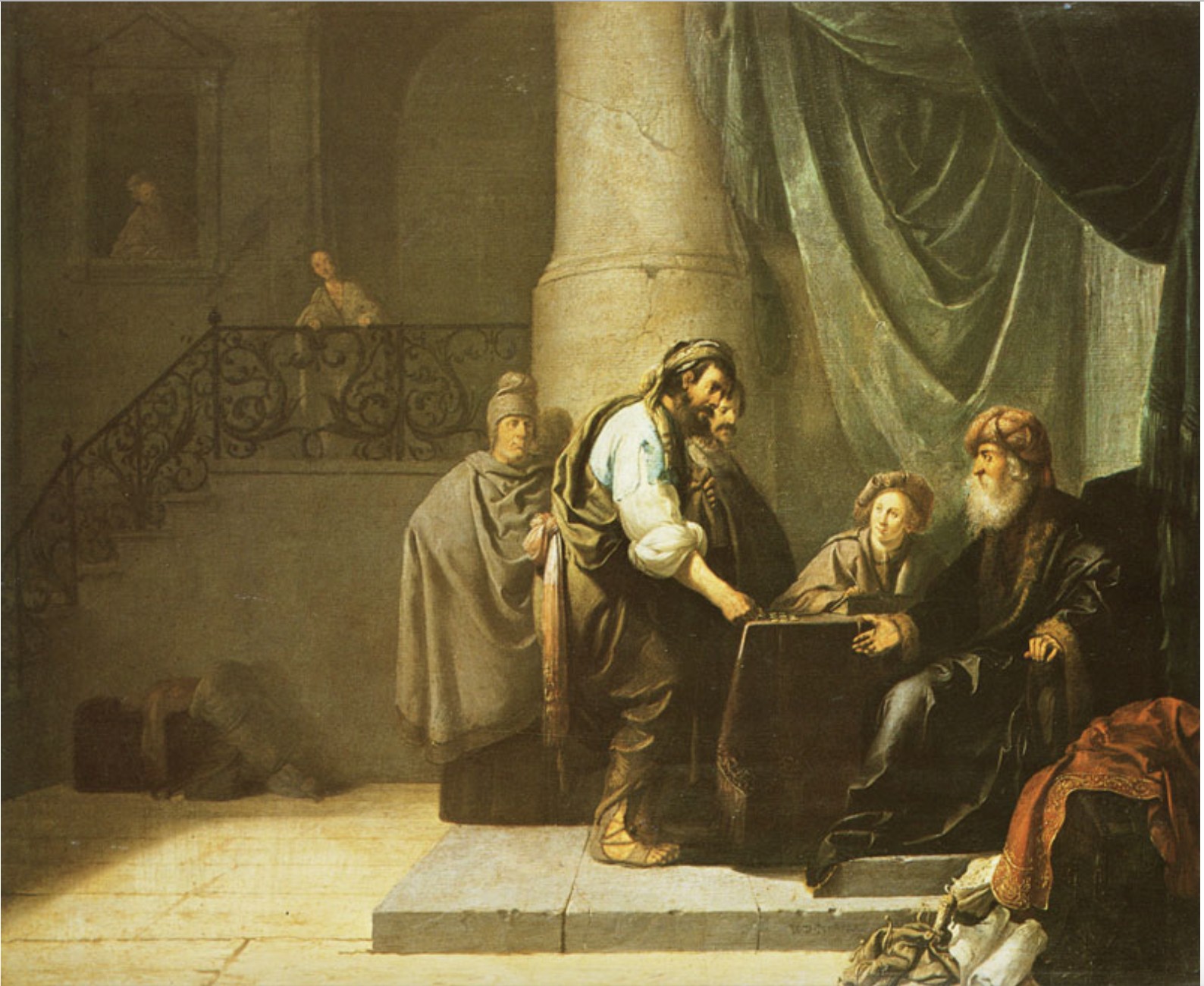
In the parable of the talents, a master gives his servants money to manage “every man according to his several ability” (Matthew 25:15), then comes back to settle accounts. The servants who used what they were given hear these words:
“His lord said unto him, Well done, thou good and faithful servant: thou hast been faithful over a few things, I will make thee ruler over many things: enter thou into the joy of thy lord.”
Matthew 25:21
The one who buried his talent out of fear lost it. Every skill, gift and opportunity is a talent to be used for the Owner.
Our Time
Six days for our work, the seventh for God (see The Bible Sabbath).
Our Bodies
“Ye are not your own” (1 Corinthians 6:19). Caring for our health is stewardship of the temple He lives in (see The Health Message).
The Earth
Adam was told to “keep” the garden. God has not revoked that job. Revelation even warns that God will “destroy them which destroy the earth” (Revelation 11:18). Caring for creation is part of honoring the Creator.
Our Offerings
Beyond the tithe, the Bible calls for freewill offerings, given from a glad heart:
“But this I say, He which soweth sparingly shall reap also sparingly; and he which soweth bountifully shall reap also bountifully. Every man according as he purposeth in his heart, so let him give; not grudgingly, or of necessity: for God loveth a cheerful giver.”
2 Corinthians 9:6-7
“Honour the LORD with thy substance, and with the firstfruits of all thine increase: So shall thy barns be filled with plenty, and thy presses shall burst out with new wine.”
Proverbs 3:9-10
Faithful In That Which Is Least
“He that is faithful in that which is least is faithful also in much: and he that is unjust in the least is unjust also in much.”
Luke 16:10
Stewardship is practice for eternity. In the new earth the redeemed will be given Adam’s job back, without sin to spoil it:
“And they shall build houses, and inhabit them; and they shall plant vineyards, and eat the fruit of them. They shall not build, and another inhabit; they shall not plant, and another eat: for as the days of a tree are the days of my people, and mine elect shall long enjoy the work of their hands.”
Isaiah 65:21-22
Building, planting, tending and enjoying the work of our hands, with God. Every faithful tithe, every talent used for Him, every Sabbath kept and every garden tended is a small rehearsal for going home to the job we were created to do.
Keep Studying
- Genesis 1-3: Where Everything Begins: the first job description
- A Priest Of The Most High God: Abraham’s tithe to Melchizedek
- Melchizedek Message
- Will A Man Rob God: Malachi 3
- The Bible Sabbath: the reserved time
- The Health Message: stewardship of the body
- New Heavens And A New Earth: Isaiah 65-66
