A trumpet, an army nothing survives, and then — in the middle of it — an instruction to tear your heart instead of your shirt. This chapter turns around on one word, and ends with a promise Peter quoted on the day the church began.
A Bible study on Joel 2 · Arthur Baldwin · StandUp4Jesus.Org · 14 min read
Table of Contents
Chapter 1 ended with a whole country crying out. Chapter 2 opens with the alarm still sounding — and it is the longest, richest and most quoted chapter in the book. Nearly everything Joel is remembered for is here.
Blow Ye The Trumpet In Zion
“Blow ye the trumpet in Zion, and sound an alarm in my holy mountain: let all the inhabitants of the land tremble: for the day of the LORD cometh, for it is nigh at hand;”
Joel 2:1
A trumpet in Israel was not music. It was how a nation was called together, and how it was warned. Moses was given silver trumpets for exactly these purposes, and one of them was to sound an alarm when an enemy came into the land.
Where it is blown matters too — in Zion, in my holy mountain. The warning goes out from the place of worship rather than from a watchtower on the border.
The same instruction comes twice in this chapter, and the second time it means something different. In verse 1 the trumpet sounds an alarm about an army. In verse 15 it summons a fast — “Blow the trumpet in Zion, sanctify a fast, call a solemn assembly.” Same instrument, same place, and between the two blasts the entire argument of the book takes place.
A Great People And A Strong
“A fire devoureth before them; and behind them a flame burneth: the land is as the garden of Eden before them, and behind them a desolate wilderness; yea, and nothing shall escape them.”
Joel 2:3
That is one of the most efficient sentences in the prophets. Eden in front, wilderness behind, and the difference between them is how long the swarm has been there.
What follows is the passage John will borrow for Revelation 9: they run like horses, they leap with the noise of chariots, they climb walls like soldiers and “they shall not break their ranks”. Anyone who has watched a swarm knows this is accurate; anyone who has read Revelation knows it is being used for more than insects.
Verse 10 adds the detail that makes it more than a natural disaster: “The earth shall quake before them; the heavens shall tremble: the sun and the moon shall be dark, and the stars shall withdraw their shining.” A big enough swarm does darken the sky, and people who have seen one say so. Joel takes the fact and lets it stand for something the whole Bible uses darkened lights to describe.
And then verse 11 names the commander, which is where the chapter becomes uncomfortable:
“And the LORD shall utter his voice before his army: for his camp is very great: for he is strong that executeth his word: for the day of the LORD is great and very terrible; and who can abide it?”
Joel 2:11
His army. The thing that stripped the country is described as being under orders — which is the same claim Revelation keeps making about the seals and the trumpets, where every power is given its authority and none of it seizes anything.
The chapter’s first question follows immediately: who can abide it? Nobody answers. The next verse changes the subject entirely.
Rend Your Heart, And Not Your Garments
“Therefore also now, saith the LORD, turn ye even to me with all your heart, and with fasting, and with weeping, and with mourning:”
Joel 2:12
Therefore also now. The hinge of the book is three words long, and everything before it was leading here. The army, the darkness, the alarm — all of it was to produce this sentence, and the sentence is an invitation.
“And rend your heart, and not your garments, and turn unto the LORD your God: for he is gracious and merciful, slow to anger, and of great kindness, and repenteth him of the evil.”
Joel 2:13
Tearing your clothes was what people did when grief was real, and by Joel’s day it was also what people did when grief was expected. He asks for the thing the gesture was invented to express, and lets the shirt survive.
It is worth noticing how the verse is built. The heart is what gets torn; the garment is what gets spared. Most religion does it the other way round — costly display, intact interior — and Joel names the swap in six words.
Then the reason, and it is the oldest description of God’s character in Scripture — the words God used of Himself to Moses on the mountain: gracious and merciful, slow to anger, and of great kindness. The argument for turning is not that God is dangerous. It is that He is like this.
And verse 14 keeps it honest: “Who knoweth if he will return and repent, and leave a blessing behind him?” Joel does not promise a particular outcome to a particular fast. He says God is merciful and worth turning to, and leaves the rest where it belongs.
That reserve is one of the reasons this chapter can be trusted. A prophet who guaranteed rain in exchange for a fast would be selling something. Joel offers no transaction at all. He describes a God worth turning to and tells people to turn.
Let The Bridegroom Go Forth
“Gather the people, sanctify the congregation, assemble the elders, gather the children, and those that suck the breasts: let the bridegroom go forth of his chamber, and the bride out of her closet.”
Joel 2:16
The summons is total, and the two examples chosen are the two people in the country with the best excuse. A nursing mother and a couple on their wedding day are exempt from almost everything in the law of Moses. Joel calls them anyway.
And there is a quiet mercy in that. The bridegroom and the bride are not being punished by the interruption; they are being included. A crisis that leaves out the people with excuses is a crisis somebody is managing. This one is a family being called into one room.
And the prayer he puts in the priests’ mouths is short: “Spare thy people, O LORD, and give not thine heritage to reproach” (Joel 2:17). Not we are sorry, and not we will do better. Spare us — and the reason offered is God’s own reputation among the nations watching.
The Years That The Locust Hath Eaten
Verse 18 turns the whole book: “Then will the LORD be jealous for his land, and pity his people.” Everything after it is promise.
“And I will restore to you the years that the locust hath eaten, the cankerworm, and the caterpiller, and the palmerworm, my great army which I sent among you.”
Joel 2:25
Not the crops. The years. God offers to give back the thing nobody can give back, and the four names are the four from chapter 1, listed again so that nothing is left out of the restoration that was included in the ruin.
Anybody who has lost a stretch of life — to illness, to a bad decision, to somebody else’s cruelty, to years spent somewhere they should not have been — is being spoken to directly by that verse.
It is worth being exact about what is promised, though, because the verse is often stretched. It does not say the locusts never came, or that the loss was an illusion, or that the years will be handed back as though nothing happened. God calls the swarm my great army which I sent among you in the same breath. What is promised is restoration by somebody who was never absent from the ruin.
The Former Rain, And The Latter Rain
“Be glad then, ye children of Zion, and rejoice in the LORD your God: for he hath given you the former rain moderately, and he will cause to come down for you the rain, the former rain, and the latter rain in the first month.”
Joel 2:23
In that climate the year had two rains and a crop needed both. The former rain fell in autumn and softened ground hard as brick so that seed could be sown at all. The latter rain came in spring, and it did something different: it swelled the grain in the ear and brought it to harvest. Miss the first and nothing starts. Miss the second and nothing finishes.
“As the “former rain” was given, in the outpouring of the Holy Spirit at the opening of the gospel, to cause the upspringing of the precious seed, so the “latter rain” will be given at its close for the ripening of the harvest.”
The Great Controversy, p. 611
That is the reading this site follows, and the next verses of Joel are the reason it is not a stretch.
“The prophecies which were fulfilled in the outpouring of the former rain at the opening of the gospel are again to be fulfilled in the latter rain at its close.”
The Great Controversy, p. 611
The subject is followed further in The Latter Rain, and it is what the song The Latter Rain For My People was written about.
I Will Pour Out My Spirit
“And it shall come to pass afterward, that I will pour out my spirit upon all flesh; and your sons and your daughters shall prophesy, your old men shall dream dreams, your young men shall see visions:”
Joel 2:28
Read the categories. Sons and daughters. Old men and young men. And then verse 29, which in that world was the startling one: “And also upon the servants and upon the handmaids in those days will I pour out my spirit.”
Every line that normally divides a society — age, sex, status — is named and crossed. Upon all flesh means what it says.
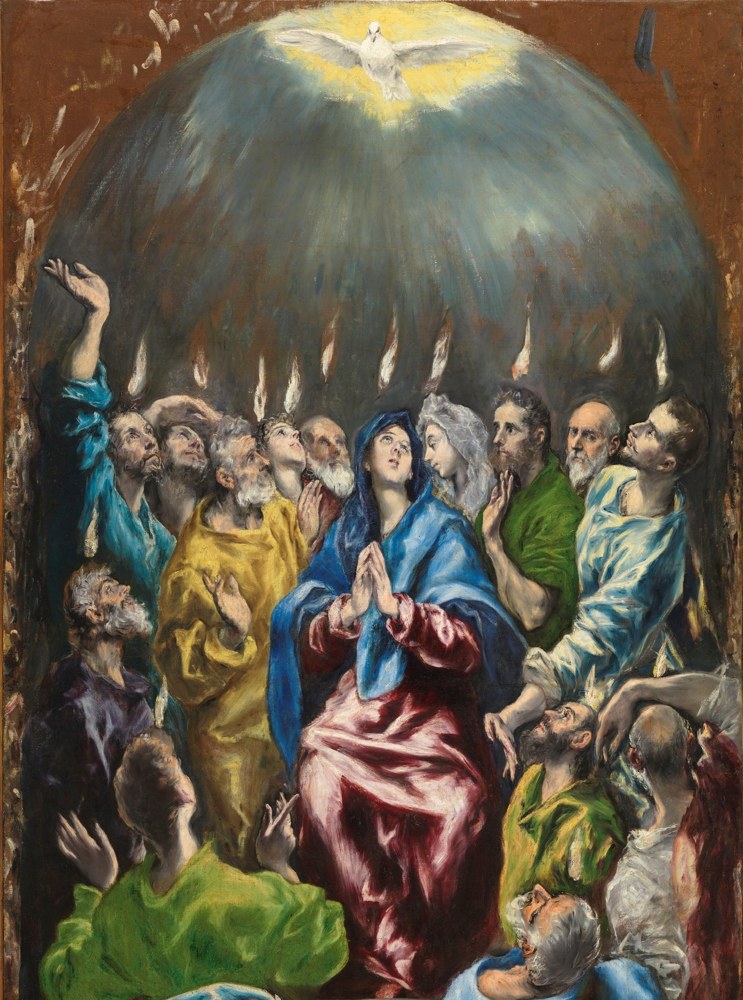
This is the passage Peter stood up and quoted when the crowd in Jerusalem accused the disciples of being drunk at nine in the morning. He did not argue about the wine. He said: this is that which was spoken by the prophet Joel — and then read this chapter aloud in the street.
Which means the church was born with Joel 2 as its first text, quoted by a fisherman, to explain something that had just happened in public.
And Peter stopped his quotation in an interesting place. He read through the wonders, the sun turned to darkness, and the promise that whosoever shall call shall be delivered — and left the judgment of chapter 3 for another day. The first sermon of the Christian church used Joel as an invitation.
Whosoever Shall Call
“The sun shall be turned into darkness, and the moon into blood, before the great and the terrible day of the LORD come.”
Joel 2:31
John uses that verse almost word for word at the sixth seal, where the sun becomes black as sackcloth and the moon becomes as blood — a chapter studied at Who Shall Be Able To Stand? Joel supplies the vocabulary; Revelation puts it in sequence.
And then the last verse of the chapter, which is the answer to the question nobody answered in verse 11:
“And it shall come to pass, that whosoever shall call on the name of the LORD shall be delivered:”
Joel 2:32
Who can abide it? — whosoever shall call. Twenty-one verses apart, and the second is the reply to the first. Paul quotes this line twice in his letters, and both times he uses it to prove that the offer is open to everybody without distinction.
What This Asks Of Us
Joel 2 is the chapter to give somebody who thinks it is too late for them.
It contains an army nothing survives, a day nobody can abide, and the sun turned to darkness — and in the middle of all that, the instruction is not to brace, or to flee, or to fix anything. It is to turn, with the whole heart, toward somebody described as gracious and merciful and slow to anger.
And the promise attached is not that the damage will be explained. It is that the years will be given back.
Next in this series: The Lord Also Shall Roar — the nations gathered, the valley of decision, and the sickle put in.
