Table of Contents
SDAs Are Cult Members
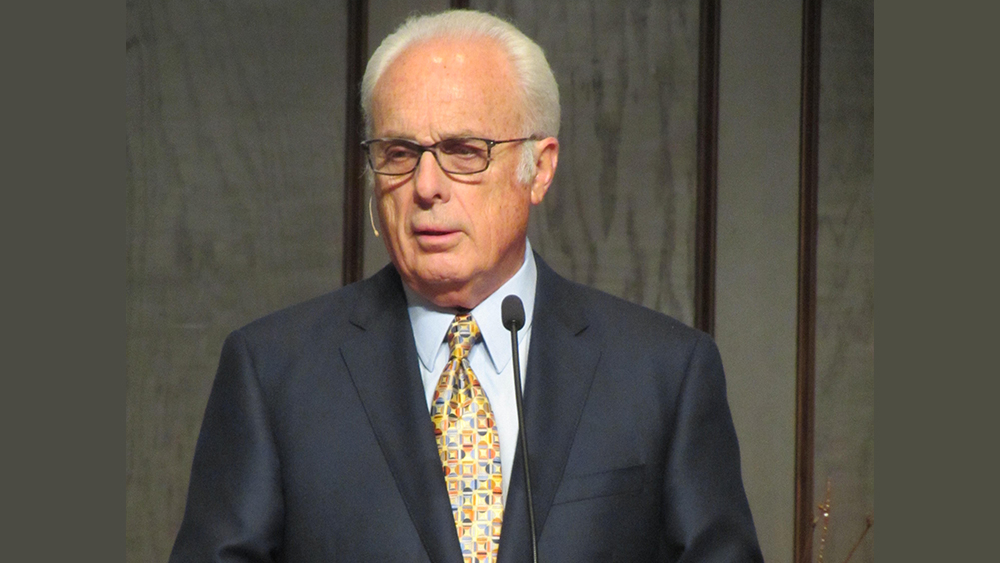
This is a deception. But to be fair, let’s examine one of the best sermons I’ve ever heard that says we ARE indeed cult members! And then I will respond to each negative point that the speaker, John MacArthur, has mentioned in his sermon. Here is John MacArthur’s entire sermon, automatically transcribed from video with markers for the beginning and end of each negative point he makes. Then my commentary will follow.
IS THE SEVENTH – DAY ADVENTIST CHURCH A CULT? A BIBLICAL EXAMINATION OF SDA DOCTRINE | JOHN MACARTHUR
Before we can fairly examine the doctrines of the Seventh-day Adventist Church, we must first understand what a cult is from a biblical and theological standpoint. The word cult is thrown around too casually today. People use it to describe anything they disagree with, any group that’s different, or any church that feels unfamiliar.
But the question we must ask isn’t, do they look strange, or do they worship differently? The real question is, what do they believe about Jesus Christ, the gospel, and the authority of Scripture? A cult, biblically speaking, is any group that claims to be Christian, yet distorts the essential truths of the gospel. It’s not just about strange customs or isolated communities. It’s about deviation, dangerous, eternal deviation from the core teachings that define saving faith.
The Apostle Paul was direct in his warning. If anyone is preaching to you a gospel contrary to the one you received, let him be accursed. That’s not a small issue.
That’s not a matter of preference. That’s a matter of life and death. A cult is not defined by formality or worship style.
It is defined by departure from truth. The early church faced this very challenge. False teachers crept in, not denying Christ outright, but subtly twisting the message.
Some added the works of the law to grace. Others questioned the sufficiency of Christ’s atonement. And what did the apostles do? They didn’t accommodate it.
They didn’t say, well, they’re sincere. No, they confronted it directly. Because even a little leaven, just a touch of error, can corrupt the whole batch.
That’s why doctrine matters. That’s why truth matters. And that’s why it’s not unloving to ask the hard questions.
When you evaluate whether a group is a cult, you start by holding its teachings next to the Word of God. You don’t examine their sincerity. You don’t examine their church attendance or how nice their members are.
You examine the message. What do they say about Christ? Is He the eternal Son of God, fully divine, fully sufficient? What do they teach about salvation? Is it by grace alone, through faith alone, in Christ alone? Or have they added requirements, human effort, or prophetic voices that cloud the clarity of the gospel? When a church or movement elevates man-made teachings, visions, dreams, or private revelations above the written Word of God, it becomes spiritually dangerous. It invites confusion and ultimately bondage.
Truth liberates, but falsehood enslaves. Jesus didn’t say, you will feel the truth. He said, you will know the truth, and the truth will set you free.
Knowledge of the truth begins with knowing who God is, what His Word says, and refusing to compromise, no matter how popular or persuasive the opposition may be. So when we ask, is the Seventh-day Adventist church a cult, we’re not attacking people. We’re testing doctrine.
We’re not concerned with appearance, but with allegiance to Christ and to His gospel. Because at the end of the day, we’re not judged by how religious we looked, but by whether we built our faith on the unshakable foundation of God’s truth. The gospel is too precious to be redefined by anyone, even in the name of religion.
Now before we go any further, we need to be honest, and we need to be fair. If we’re going to examine the doctrines of the Seventh-day Adventist church, we can’t just throw accusations around without acknowledging where truth is present. We’re not here to smear, to slander, or to paint with a broad careless brush.
The goal isn’t to stir controversy, it’s to bring clarity, and clarity requires precision. So let’s start by recognizing this. There are areas where the Seventh-day Adventist church affirms biblical truth.
They believe in the full divinity of Jesus Christ. They believe that He is the eternal Son of God, born of a virgin, sinless in His nature, crucified, risen, and returning again. They don’t deny the deity of Christ like the Jehovah’s Witnesses.
They don’t treat Him like a mere prophet, as Islam does. They uphold the central figure of our faith as divine. That’s important.
They also affirm the authority of Scripture. They teach that the Bible is the inspired Word of God, and they emphasize the importance of living a holy life, one that reflects the fruit of the Spirit. Those are not minor details.
They’re serious affirmations, and we ought to acknowledge that. It’s easy to caricature people we disagree with, but if we’re going to call people to the truth, we must also be truthful in our evaluation. There are many sincere men and women in the Seventh-day Adventist church who genuinely desire to honor God, study His Word, and follow Christ, and we need to approach this conversation not as enemies, but as watchmen, people who love the truth enough to speak it and love others enough to tell them when they’ve veered from it.
(First negative point)
But here’s the tension. Affirmation of some truth does not cancel out the danger of error. A little truth mixed with a little falsehood is still deception.
Satan knows how to use truth as bait. That’s how he works. He doesn’t come with a pitchfork and a red suit.
He comes dressed like an angel of light. He knows how to mix just enough truth to gain your trust and just enough error to destroy your soul. So while we acknowledge that the SDA church upholds certain foundational beliefs, we must also recognize that affirming truth in one area does not excuse distortion in another.
The Pharisees believed in the resurrection. They memorized Scripture. But Jesus said their hearts were far from God because they had elevated tradition and missed the core of the gospel.
This is why discernment is so critical. Just because someone quotes Scripture doesn’t mean they’re teaching truth. Just because someone says Jesus is Lord doesn’t mean they understand what he accomplished.
We have to test every teaching, not by tradition, not by emotion, not even by good intentions, but by the pure standard of the Word of God. Truth is not determined by how much someone gets right. It’s determined by what someone does with the gospel of grace.
(End of First Negative Point)
(Second Negative Point)
One of the most serious concerns when we examine the teachings of the Seventh-day Adventist church is their view of Ellen G. White. And again, this isn’t about attacking a person. It’s about evaluating claims.
The SDA church doesn’t just respect Ellen White as a historical figure. They revere her as a prophet. They believe her writings are divinely inspired, a source of spiritual truth meant to guide the church.
In fact, her teachings are often referred to as the spirit of prophecy. That phrase alone should cause alarm. Because here’s the heart of the issue.
When any voice is placed alongside or even slightly beneath Scripture in practice, even if not in theory, it is an addition to the Word of God. God has already spoken. The canon of Scripture is closed.
We don’t need a new revelation. We don’t need fresh prophets to complete what God finished. Hebrews says that in these last days, God has spoken to us through His Son, not through new visions or spiritual writings, but through the final, complete Word made flesh.
Ellen G. White claimed to receive hundreds of visions from God, and the church used those visions to form doctrine that the Bible itself does not support. One of those teachings, the investigative judgment, which we’ll talk about in a moment, is based not on Scripture, but on one of her visions. Now think about the danger in that.
You are basing eternal theology on a personal experience, on something unverifiable, subjective and extra-biblical. That’s not how God calls us to build truth. He never told us to test our doctrine by dreams.
He told us to test every spirit, every teaching by the Word. Now some will argue, but she always pointed people back to Jesus, and maybe in some of her writings she did. But again, that’s not the standard.
False teachers don’t always come screaming heresy. Sometimes they come with just enough light to seem safe. The issue isn’t whether she talked about Jesus.
The issue is whether what she taught lined up with Scripture. And when you read some of her words, you find clear contradictions. You see legalism.
You see confusion about the atonement. You see a pattern of elevating her voice subtly, and sometimes not so subtly, to the level of God’s Word. Let’s be very clear.
The Holy Spirit does not contradict Himself. He doesn’t inspire Scripture, then inspire a prophetess to say something different. God does not stutter.
His Word is complete, perfect, and sufficient. And when someone claims divine inspiration and teaches doctrines not found in Scripture, especially when those doctrines become binding on people’s lives, they are not functioning as a servant of Christ, but as a stumbling block. It doesn’t matter how many books they’ve written.
It doesn’t matter how much influence they’ve had. If their words lead people away from the sufficiency of Scripture and the sufficiency of Christ, they are dangerous. Spiritual authority doesn’t come from charisma.
It comes from truth, and only truth that aligns fully with God’s Word is trustworthy. No one who adds to God’s Word can lead you closer to Christ.
(End of Second Negative Point)
(Third Negative Point)
One of the most concerning teachings in the Seventh-day Adventist church is something called the investigative judgment.
Now most Christians haven’t even heard of this doctrine, and for good reason, because it’s found nowhere in the Bible. This teaching came out of a theological crisis in the mid-1800s after a failed prophecy that Jesus would return in 1844. When that didn’t happen, rather than admitting the prediction was wrong, a new explanation was created.
Jesus had indeed done something in 1844, but instead of coming to earth, He supposedly entered a new phase of His heavenly ministry, beginning what they called the investigative judgment. According to this doctrine, Christ began reviewing the lives of believers in 1844 to determine who was truly saved. The SDA church teaches that Jesus is now examining the records of those who have professed faith to see if they are worthy to enter the kingdom.
But think about that. That means, according to their view, your salvation isn’t truly secure until Jesus finishes His investigation and decides whether you’re really saved or not. It casts a long shadow over the finished work of Christ.
But here’s what the Word of God says, when Jesus cried out, it is finished on the cross, He wasn’t exaggerating. He wasn’t starting a process. He wasn’t setting up a delayed judgment.
He was declaring the full, sufficient, once-for-all atonement for sin. The book of Hebrews says that after offering Himself as a sacrifice, He sat down at the right hand of the Father. Why did He sit down? Because the work was done.
Priests in the Old Testament never sat. They were always standing, always working. But Christ sat down because redemption was completed.
The idea of an ongoing investigative judgment undermines that finality. It confuses justification with sanctification. It makes salvation feel like a probationary period rather than a settled gift of grace.
And it puts a question mark where God has put a period. It tells believers that the blood of Christ may not be enough, that they must still prove themselves through obedience or be disqualified in the final review. That’s not the gospel.
That’s not good news. That’s spiritual insecurity wrapped in religious language. And remember where this doctrine came from.
It wasn’t drawn from Scripture. It was patched together after a failed prophecy, propped up by visions, and retrofitted into theology to preserve a movement. That alone should cause us to take a step back and ask, Are we building on the rock of God’s truth or the shifting sand of human speculation? The gospel is not a lifelong test you might pass if you’re good enough.
It’s not a divine audit where God reviews your record to see if you made the cut. The gospel is the declaration that Christ has already paid it all. And by faith in Him, you are fully justified, completely forgiven, and eternally secure.
If Jesus didn’t finish the work at the cross, then there is no peace for the sinner. Only fear.
(End of Third Negative Point)
(Fourth Negative Point)
One of the most visible and emphasized doctrines in the Seventh-day Adventist church is their teaching on the Sabbath.
Specifically, they hold that Saturday, the seventh day of the week, is the only true day of worship, and that observing it is a mark of obedience to God. Now, we should be clear, there is nothing wrong with worshiping on Saturday. There is nothing wrong with setting aside any day to honor the Lord.
But the problem begins when a day, even a day, rooted in the Old Testament law is elevated to the point where it becomes a test of salvation. That’s not biblical. That’s bondage.
You see, the gospel is not about days. It’s about Christ. The moment you make your standing with God dependent on the day you worship rather than on the finished work of the cross, you’ve left grace and stepped into legalism.
The New Testament speaks loudly and clearly on this issue. Paul said in Colossians 2.16, “…let no one pass judgment on you in questions of food and drink, or with regard to a festival, or a new moon, or a Sabbath.” Why? Because those things were shadows of what was to come. And the substance, the fulfillment, is Christ.
The Sabbath was a picture of rest, but Jesus is the fulfillment of that rest. In Him, we don’t just get one day off a week, we get eternal rest for our souls. He is our Sabbath.
So when someone comes and says, you must worship on Saturday or you are not truly obeying God, they’ve missed the heart of the gospel. That’s not a call to holiness. That’s a return to the law.
And Paul had strong words for the Galatians when they tried to add the law back into their faith. He said, You have fallen from grace, not because they stopped believing in Jesus, but because they tried to mix grace with law. And when you mix the two, you cancel grace altogether.
Now don’t misunderstand me. Obedience matters. Holiness matters.
But our obedience flows from salvation. It doesn’t earn it. The moment we make any commandment the basis of our acceptance with God, we are preaching another gospel.
And it’s exactly what happens when Sabbath observance is made central to salvation. It creates a spiritual caste system where those who keep the Sabbath are seen as the true remnant, and others are viewed as deceived or rebellious. That is not the spirit of Christ.
That’s the spirit of pride. The truth is, the early church worshipped on the first day of the week in celebration of Christ’s resurrection. They didn’t cling to the old shadows.
They rejoiced in the new covenant, and so should we. We are not under the law. We are under grace.
We don’t worship because of a calendar. We worship because we’ve been redeemed. And when your trust is in Christ alone, not in a day, not in a regulation, not in tradition, you will find the rest your soul has been longing for all along.
Any gospel that demands a calendar date for salvation is no gospel at all. When evaluating any religious movement, one of the clearest ways to see whether the gospel has been preserved or distorted is by examining how it defines salvation. And this is where we must take a sober look at the Seventh-day Adventist church.
Because while they use the language of grace and speak of Jesus as Savior, they often redefine those words through the lens of performance. What starts out sounding like biblical faith can quickly shift into a system where your assurance of salvation is tied not to Christ’s finished work, but to your ongoing obedience, especially to the law. The SDA church teaches that salvation is a process.
It begins with grace, they’ll say, but it must be maintained by faithful law-keeping, particularly through Sabbath observance and adherence to dietary restrictions. Now again, obedience has its place. We are saved unto good works.
But works never secure our salvation. The moment you teach that God starts the process, but you have to finish it by keeping the law, you are no longer preaching the gospel. You are preaching moralism.
That’s not good news. That’s spiritual slavery dressed in religious language. The book of Galatians was written for exactly this kind of situation.
Paul dealt with believers who started with grace, but were being led back into law by false teachers. He asked them plainly, having begun by the Spirit, are you now being perfected by the flesh? In other words, if salvation began with the sovereign grace of God, why would you now depend on your own ability to maintain it? That’s not faith, that’s fear. And that’s where the SDA doctrine takes so many people, into a place of uncertainty and striving, where the cross is no longer enough.
Let’s be absolutely clear. Salvation is by grace alone, through faith alone in Christ alone. And when Christ saves a sinner, He saves completely.
There is no probation period. There is no review panel in heaven deciding if your diet, your Saturday worship, or your lifestyle measures up to His standard. His righteousness is credited to you by faith.
Your sins are washed away by His blood, and you are sealed by the Holy Spirit. Not by your efforts, but by His promise. But in the SDA framework, salvation becomes a joint effort between God and man.
It’s as if God opens the door, but you have to walk the rest of the way through by proving your worthiness. That’s not biblical. That’s not the message that turned the world upside down, in the book of Acts.
That’s not the gospel that brings peace to a guilty conscience or rest to a weary soul. That’s another gospel. And Paul said, if anyone preaches another gospel, let them be accursed.
You don’t earn your way into grace. You don’t keep your place in the kingdom by perfect performance. You are held fast by the perfect obedience of Christ.
And because He was faithful in life, faithful in death, and triumphant in resurrection, you can rest. Not in what you’ve done, but in what He finished once and for all. If salvation must be maintained by law keeping, then the cross of Christ was not enough. And that is a lie.
(End Of Fourth Negative Point)
When people ask, Why isn’t the book of Enoch in the Bible? They’re often assuming something was taken from us, like someone tried to hide the truth. But what they fail to understand is this, the canon of scripture was not carelessly assembled by religious councils or political agendas.
It was guided by the providence of God Himself. From the beginning, God has always preserved His word. He didn’t just speak it into existence and walk away.
No, He watched over it. He protected it. He ensured that what we have today is exactly what He intended us to have.
The Bible was not born out of chaos. It was formed through centuries of divine supervision. The books that are in the Bible weren’t voted in by popular demand or because someone thought they were spiritually interesting.
They were recognized as inspired because they were already known to be the very breath of God. From Moses to Malachi, from Matthew to Revelation, the word of God bears the fingerprints of the Holy Spirit. It’s cohesive, consistent, complete.
People often point to lost books or missing texts like the book of Enoch and wonder why they weren’t included. But the real question is this, did God intend for it to be scripture? The early church didn’t make the Bible, they received it. And in receiving it, they discerned carefully, prayerfully, and under the conviction of the Spirit.
They asked questions that mattered. Was this written by a prophet or apostle? Does it agree with the truth already revealed in scripture? Is it consistent with the nature and glory of God? The book of Enoch simply didn’t pass those tests. It was never part of the Hebrew canon.
The Jewish people, those entrusted with the oracles of God, did not preserve it as scripture. Jesus never quoted it. The apostles didn’t teach from it.
It was known, yes. It was even referenced in a limited way. But reference does not equal endorsement.
Paul quoted pagan poets, but we don’t treat their writings as sacred. Jude quoted a saying attributed to Enoch, but that doesn’t mean the whole book was inspired. This idea that the church took something away or that we are missing vital truths creates a false narrative.
It makes God look like a careless author, someone who lost pages to his own book. That’s not the God of scripture. He is sovereign over every word.
He knows the end from the beginning. Do you really believe that the God who upholds the universe by the word of His power would allow His word to be incomplete? No. The canon is closed, not because men slammed the door, but because God finished what He started.
He revealed Himself fully in Christ and He gave us His word so we would not walk in darkness. We don’t need to dig up ancient scrolls or chase after hidden knowledge. We have the truth and it’s right here in our hands.
The Bible you hold is not missing anything because the author never makes mistakes. One of the clearest reasons the book of Enoch is not in the Bible is this, Jesus didn’t quote it, neither did the apostles. That fact alone ought to cause us to pause because when you look at how Jesus handled scripture, how He referenced it, relied on it, taught from it, you begin to realize something.
He validated the Old Testament with divine authority. He spoke of Moses and the prophets as the word of God. He quoted Genesis, Deuteronomy, Isaiah, and Psalms.
Again and again, He said, it is written. He didn’t say, I found a mysterious scroll or There’s a lost book you need to know about. No, He pointed to the scriptures that were already recognized and affirmed by the people of God.
Jesus never treated the book of Enoch as scripture, and that matters because if anyone had the authority to confirm a forgotten or overlooked book, it was Christ Himself. If He had wanted us to consider Enoch as part of God’s revelation, He would have said so. He had every opportunity to do it, but He didn’t.
And neither did Peter, Paul, John, or James. None of the apostles used it to form doctrine, explain theology, or defend the truth. They didn’t build the foundation of the church on speculative writings.
They built it on the sure word of God. Now, someone might say, But what about Jude? Didn’t he quote from Enoch? Yes, he did. Jude 14 references a prophecy attributed to Enoch, but let’s be clear, quoting a line does not mean endorsing an entire book.
Paul quoted Greek poets. He referenced secular sayings. That doesn’t mean we add those writings to our Bibles.
In the same way, Jude used a familiar saying to illustrate a point about judgment, but he didn’t invite us to read the whole book of Enoch and treat it as inspired Scripture. One quote does not grant divine authority to an entire text. What we need to understand is this, the early church didn’t simply include books they found interesting or mystical.
They preserved the words that were authoritative, apostolic and inspired. The book of Enoch never met that standard. It was outside the stream of what Jesus himself affirmed.
That’s not a small issue. Some people are chasing after secret writings because they think the truth has been hidden. They act like the church was trying to bury something, but in reality, God has already spoken.
He didn’t hide His word. He proclaimed it, He preserved it, and His Son, the very Word made flesh, confirmed what we are to hold as sacred. The apostles followed suit, preaching from the Scriptures, not from obscure texts or mythical tales.
Though when you ask why isn’t Enoch in the Bible, the answer is simple, because the one who is the living Word never treated it as the written Word. When we talk about why the book of Enoch isn’t in the Bible, we have to take a close look at its content, not just where it came from or who may have written it, but what it actually says. Because the truth is the book of Enoch is filled with doctrinal confusion and speculative mythology.
It doesn’t line up with the consistency and clarity of Scripture. It reads more like religious fiction than divine revelation. And God doesn’t inspire confusion.
He doesn’t author chaos. He speaks truth. When you read the book of Enoch, you’ll find elaborate stories about angels marrying women, birthing giants, and teaching mankind forbidden knowledge.
Now there is a brief and mysterious reference in Genesis 6 about the sons of God and the daughters of men. But Enoch takes that one obscure mention and spins it into an entire mythology of angelic rebellion and cosmic warfare that goes far beyond what God ever revealed. It creates an entire theology based on speculation instead of revelation.
That’s dangerous. Because once you allow fantasy to become doctrine, you lose the guardrails that protect sound teaching. The Bible warns us again and again not to be swept away by myths.
Paul told Timothy to avoid godless myths and old wives’ tales. Peter reminded believers that they did not follow cleverly devised fables. And yet, that’s exactly what the book of Enoch offers.
Clever fables dressed up in religious language but lacking the authority of God. It speaks of strange realms, heavenly tours, secret knowledge, and end times visions that read more like apocalyptic folklore than prophetic script. And if you’re not grounded in the truth, those things can be very seductive.
They sound deep. They sound spiritual. But they don’t produce godliness.
They stir curiosity, not conviction. You see, every book in the Bible is consistent with God’s character. It agrees with the rest of Scripture.
It calls people to repentance, to worship, to holiness. The book of Enoch does none of that. It’s preoccupied with mysteries and cosmic drama, but it doesn’t drive the heart to Christ.
It doesn’t point to the gospel. It doesn’t exalt the glory of God. It promotes a fascination with the supernatural, but it doesn’t lead to salvation.
Some people think that just because a book is old or sounds spiritual, it must carry divine weight. But that’s not how God works. Age doesn’t equal authority.
Intrigue doesn’t equal inspiration. The Bible was not chosen based on how interesting a book was. It was recognized based on truth, accuracy, and divine power.
The book of Enoch fails all three tests. It’s inconsistent with Scripture. It contradicts established doctrine, and it promotes ideas that lead people away from the sufficiency of God’s Word.
God doesn’t need to impress us with hidden knowledge. He’s already given us the truth that saves, sanctifies, and satisfies. We don’t need myths to be strong in the faith.
We need the unshakable Word of God. One of the things that’s often overlooked when people defend the book of Enoch is when it was actually written. And that matters more than you might think.
Because when people hear the name Enoch, they automatically think of the man from Genesis 5, the one who walked with God and was taken up, a righteous man, a prophet. No question about that. But here’s the problem.
The book that carries his name wasn’t written by him. In fact, it wasn’t even written anywhere near his lifetime. It was written thousands of years later, long after Enoch was gone, by unknown authors who used his name to give their writings a sense of authority.
That’s called pseudepigrapha, false authorship. It was a common practice in ancient times, especially in Jewish apocalyptic literature. Writers would attach the name of a well-known figure to their work to make it seem more legitimate.
And while that might have worked to draw attention, it doesn’t fool God. God does not inspire deception. He doesn’t bless lies with the seal of divine truth.
And the idea that a book written long after Enoch’s time, filled with myths and theological confusion, should be placed on the same level as the word of God is not only wrong, it’s dangerous. The real Enoch lived before the flood. He was part of the antediluvian world, a man of faith in a time of great wickedness.
But the book of Enoch wasn’t written until somewhere between 300 BC and 100 AD, a full 3,000 years after Enoch lived. Think about that. The events it claims to describe were written down not by eyewitnesses, not by prophets, but by people generations removed, imagining what they thought might have happened.
And then they signed Enoch’s name to it. That’s not revelation. That’s religious fiction.
God’s word doesn’t come through literary tricks. It comes through real prophets and apostles, chosen by God, confirmed by miracles, speaking under the inspiration of the Holy Spirit. The books of the Bible were written by people who were directly involved in the unfolding of redemptive history, not anonymous scribes borrowing the name of a long-dead patriarch to promote their visions.
That’s the difference. That’s why the canon is closed, because God spoke through those he appointed. He revealed truth through real servants, not imaginary ones.
You have to ask yourself, would God, the God of truth, use a forged identity to deliver his holy word? Would the same God who said, you shall not bear false witness, allow his eternal message to be wrapped in a false name? Of course not. Truth doesn’t come through deception. It comes through light, through clarity, through authenticity.
That’s what sets the Bible apart from all these so-called lost books. So while some are chasing the book of Enoch, hoping to find secrets, what they’re really clinging to is a document rooted in imagination, not inspiration. It may be ancient.
It may be intriguing. But it was not authored by Enoch, and it was not authored by God. When we talk about which books belong in the Bible, it’s not enough to say, well, this sounds spiritual, or that book feels inspired.
That’s not how the early church treated it, and that’s not how God intended his word to be recognized. The formation of the biblical canon wasn’t an accident, and it wasn’t the result of a few men in a room deciding what to keep and what to throw out. It was a process guided by the Holy Spirit through faithful men who were devoted to preserving only what truly came from God.
And when it came to the book of Enoch, the overwhelming consensus among early church leaders was clear. It was not Scripture that matters, because sometimes people today speak as if the book of Enoch was unfairly excluded, as if it got lost in a pile of scrolls, and some religious authority decided to keep it hidden. But that’s just not true.
The early church fathers were incredibly careful. They weren’t looking for something interesting to add to the Bible. They were measuring everything against a divine standard.
Was it written by a prophet or apostle? Did it carry the authority of God? Did it agree with the truth already revealed? Did it edify the church and exalt Christ? The book of Enoch didn’t pass the test, and not just with one or two leaders. It was broadly rejected as uninspired. Yes, there were a few exceptions, some individuals who found the book curious or used it for historical context, but fascination is not the same as affirmation.
Even books like 1 Maccabees or The Shepherd of Hermas were read by early Christians for historical value, but the church never treated those writings as on par with Scripture. They weren’t read in public worship as the Word of God. They weren’t used to form doctrine, and neither was the book of Enoch.
You see, the church didn’t create the Bible. They recognized it. They received what had already been delivered.
When Paul said in Galatians, if anyone preaches a gospel contrary to what you received, let him be accursed, he was emphasizing that the truth had already been given. It didn’t need to be added to or revised. The canon of Scripture was never meant to be an open door to every spiritual-sounding document.
It was a defined collection of divinely inspired writings confirmed by the Spirit of God, preserved through the people of God. You don’t need to go digging through the sands of time to try and resurrect books that the Holy Spirit never breathed life into. God’s Word doesn’t need to be expanded.
It’s already complete, already sufficient, already powerful. And the reason Enoch isn’t in the Bible is because those closest to the truth, those who walked with the apostles, who defended the gospel, who laid down their lives for the faith, knew it didn’t belong. God has never left His people without a witness.
The Scriptures we hold today are not the result of man’s control, but God’s providence. There’s a longing in people today to know more, to uncover secrets, to find something hidden that others might have missed. It’s human nature we want to feel like we’ve discovered a truth nobody else has.
And that’s part of what draws people to books like Enoch. There’s this sense of mystery, of ancient secrets and forgotten knowledge. But the problem is that desire for more can easily lead us away from what God has already said.
And the danger is real. Because when we start chasing so-called lost Scriptures, we risk downplaying the sufficiency of the Word God has already given. God is not silent.
He’s not hiding. He hasn’t given us half the truth and asked us to go on a treasure hunt for the rest. He’s spoken.
And He’s made His truth clear and accessible in His Word. The Bible doesn’t lack anything. It’s not a puzzle with missing pieces.
It’s the complete revelation of God’s plan, from Genesis to Revelation. Everything we need to know about salvation, about life, about eternity, it’s already in our hands. And when you start chasing after extra books to feel spiritually elite or more informed, what you’re really doing is saying that God’s Word isn’t enough.
That’s not just a mistake. That’s a deep insult to the nature of Scripture. The Bible tells us that all Scripture is God-breathed and is profitable for teaching, for reproof, for correction, and for training in righteousness.
It doesn’t say some Scripture or most of it. And it certainly doesn’t leave room for speculation about what might have been left out. What we have has been preserved by God with purpose and perfection.
People get drawn into the book of Enoch because it’s strange, because it stirs the imagination. They want a deeper spiritual experience. They think they’re unlocking hidden wisdom.
But God doesn’t call us to search for hidden wisdom. He calls us to obey the truth already revealed. We don’t need mystical visions to grow in grace.
We need to open our Bibles and submit to what’s already been written. There’s a danger when we start elevating these lost books. We begin to blur the lines between what God has actually spoken and what man has imagined.
That kind of thinking doesn’t lead us closer to God. It leads us into confusion. It replaces the voice of God with the noise of speculation.
And before long, people are more passionate about their secret knowledge than they are about the gospel of Jesus Christ. It’s not discernment, that’s deception. God has never failed to preserve His truth.
And He’s never asked us to go outside of His Word to find His will. If the Bible is not enough for you, then no ancient book, no mysterious manuscript, no hidden scroll is ever going to satisfy your soul. What we need is not more information.
We need deeper submission to what God has already revealed. The Scriptures are complete. They are holy.
They are enough. We don’t need more books. We need more obedience to the one who wrote the book.
There comes a time when you must stop. Stop giving, stop rescuing, stop enabling. Not because you’ve grown cold, but because you’ve grown wise.
The world says, help everyone no matter what. But Scripture teaches something far deeper, discernment. Jesus, our perfect example, did not go chasing after everyone.
In fact, in Matthew 7, 6, He gave a sharp, clear command. Do not give dogs what is holy, and do not throw your pearls before pigs lest they trample them underfoot and turn to attack you. Now think about that.
He wasn’t being unkind. He was being righteous. You can’t throw your time, energy, counsel, and resources at people who trample truth.
You can’t hand over your peace and spiritual strength to those who only want to devour it. There are people in your life who hear the truth, nod their heads, even cry when they’re in crisis, but as soon as the storm clears, they run right back to their sin. Over and over.
And you, you keep stepping in like a spiritual paramedic, exhausting yourself for someone who’s not interested in healing. Just release. But listen closely.
Jesus didn’t heal everyone. Jesus didn’t answer every demand. When the rich young ruler walked away, Jesus didn’t chase him.
He let him go. That’s not cruel. That’s holy.
Because real love doesn’t force. Real love tells the truth, leaves the door open, and then steps aside. You are not the Savior.
You are not the Redeemer. You are a servant of God, called to operate in wisdom, not emotionalism. Some people aren’t rejecting you.
They’re rejecting God. And by continuing to throw your help at those who have no respect for the holy, you’re not being Christ-like. You’re actually disobeying the Lord who told you to cast not your pearls before swine.
This is hard for some of you to hear because you were taught that love never gives up. But biblical love does give up on enabling, on rescuing, on carrying people who refuse to walk. There are times when stepping away is not failure, but faith.
When God says, let them go, it’s not because He doesn’t love them, it’s because He loves you enough to protect you from their rebellion. If someone doesn’t want the truth, if they’re playing with sin, and if they’ve made a habit of rejecting wise counsel, your help is not helping. It’s actually shielding them from the conviction they desperately need.
So stop. You’re not being unkind. You’re being obedient.
One of the greatest mistakes Christians make is confusing grace with gullibility. We assume that if someone falls, we’re always called to help them back up. Again and again, no questions asked.
But the Bible doesn’t teach that. The Bible warns us loudly about the fool. Not someone who is ignorant, not someone who is struggling, but someone who refuses to learn, rejects correction, and keeps going back to the same sin with no desire to change.
Proverbs 26, 11 says, as a dog returns to his vomit, so a fool repeats his folly. That’s not poetic. It’s a spiritual warning.
You see, fools don’t need a helping hand. They need a wake-up call. But many of us, out of misguided compassion, keep offering help to those God is trying to confront.
And in doing so, we interfere with divine discipline. That’s not mercy. That’s rebellion.
There are people you’ve warned, prayed for, pleaded with, cried over, but they don’t listen. They say they’re sorry when the consequences hit, but they go right back to their mess the moment the pressure lifts, and you keep running to them like a safety net, thinking you’re doing God’s will. But let me ask you, what if you’re the reason they haven’t hit rock bottom yet? You cannot out-love God, and you cannot out-mercify the one who sent his own son to die for sin.
So when God allows someone to taste the pain of their own rebellion, that’s not your cue to step in and rescue. It may be your cue to step back. The fool is not someone God forgot.
The fool is someone who has heard, but refused. And the Bible says over and over, do not walk with them, do not entertain their ways, do not answer their madness. Proverbs 9 tells us that if you correct a mocker, they’ll hate you, but if you correct the wise, they’ll love you.
There’s a difference. And you have to learn it. A wise person stumbles and says, help me get it right.
A fool stumbles and says, help me avoid the consequences. One wants repentance, the other wants rescue. And if you keep pouring into the fool, you are not just wasting your time, you are violating a spiritual boundary.
This is where discernment matters most. The fool isn’t always loud. Sometimes they look broken.
They cry, they promise, they plead. But if their heart hasn’t changed, their pattern will repeat. God doesn’t call you to be emotionally manipulated.
He calls you to be spiritually alert. If someone refuses to turn, if they mock the truth, if they love their sin more than they fear God, step away. Let the consequences do what your compassion cannot.
God doesn’t bless foolishness, and neither should you. Stop wasting holy oil on people committed to the fire. We live in a time where love is misunderstood.
It’s been watered down into something passive, soft, and blind. But love, real biblical love, does not mean partnership with darkness. It does not mean helping people who are openly rebelling against God just to maintain the appearance of kindness.
The Bible is clear in 2 John 1.11. Whoever greets him takes part in his wicked works. That should stop you in your track because what that verse is saying is this. When you endorse, support, or even extend hospitality to someone in act of rebellion, you are not neutral.
You are participating. This is where many Christians get deceived. They think, well, I’m not sinning.
I’m just helping. But helping the unrepentant is not harmless. It’s dangerous.
When someone continually chooses sin, lies, manipulation, or deception, and you keep showing up, lending your support, your resources, your name, you are not rescuing them. You’re affirming them. You’re shielding them from conviction.
You’re softening the blow God designed to bring them to repentance. That’s not mercy. That’s spiritual compromise.
Some people are in darkness not because they haven’t heard the truth, but because they’ve rejected it. They know better. They’ve been warned.
They’ve been shown grace, and still they trample it underfoot. And when you step in to help them again, especially when they show no fruit of repentance, you’re not loving them. You’re helping the enemy keep them bound.
That’s how serious this is. We need to stop confusing emotional sympathy with spiritual obedience. Think about it.
Would Jesus lay hands on a Pharisee who refused to repent? Would he empower a false teacher just because they cried for help? Of course not. So why do we? Why do we keep extending aid to those who spit in the face of truth just because it feels uncomfortable to say no? Sometimes saying no is the most Christ-like thing you can do. Sometimes walking away is the loudest sermon you’ll ever preach.
When someone continues in sin without sorrow, when they twist Scripture, resist correction, and love the world, your support becomes agreement. You might not see it that way, but the spiritual realm does. The moment you cover what God is trying to expose, the moment you comfort what God is trying to convict, you’ve switched sides in the battle.
The devil doesn’t always need to tempt you to fall. Sometimes he just needs to keep you busy helping the wrong people. There are some people God is warning you about.
You’ve seen the signs, you’ve felt the unrest, but you keep justifying your involvement under the label of grace. Friend, grace doesn’t enable sin. Grace brings truth, and truth divides.
If your help is hiding sin instead of confronting it, you’re not ministering, you’re meddling, and God will not bless that. Stop partnering with rebellion and calling it compassion. Discernment has become a dirty word in modern Christianity.
Somewhere along the way, we started acting like making judgments was wrong, as if evaluating right from wrong, truth from error, light from darkness is unloving. But the Bible never told us to turn off our minds and just go along with everything in the name of peace. In fact, 1 Corinthians 2.15 says, the spiritual person judges all things.
That’s not optional, that’s commanded. We’re not told to be harsh or condemning, but we are absolutely called to be discerning. This idea that Christians are supposed to accept everything and everyone without question is not biblical.
That’s cultural pressure. That’s emotional manipulation. And it’s why so many believers get tangled up with people they were never meant to walk with.
People who drain them, people who deceive them, people who, if we’re honest, don’t want God. They want a crutch. And we hand ourselves over again and again, because we think discernment is unkind.
No, friend, discernment is not harshness, it’s holiness. You’re not righteous because you keep helping someone who spits on truth. You’re not godly because you never say no.
You’re not loving because you let someone manipulate you. You’re obedient when you walk in wisdom, and wisdom demands that you look at the fruit, weigh the motives, and listen to the Holy Spirit more than your emotions. You don’t need to apologize for saying, this person is not safe.
This person is not submitted to God. This person does not belong in my inner circle. That’s not cruelty, that’s spiritual clarity.
The devil knows that if he can’t tempt you with sin, he’ll distract you with the needy. He’ll wear you out by assigning you to people God never told you to carry. He’ll whisper lies like, you’re not being Christ-like if you walk away, or real love never gives up.
But God’s word says, do not be unequally yoked. And that doesn’t just mean marriage. It means every close relationship.
You cannot link arms with someone who mocks truth and walk in victory. You will always be divided, you will always be drained, you will always be pulled backward. And here’s the truth, some of you are spiritually tired, not because you lack faith, but because you lack boundaries.
You’re trying to love like Jesus, but you’re doing it without discernment. And love without truth is just enabling. It’s emotional, not spiritual.
It feels good for a moment, but it bears no eternal fruit. You are not called to help everyone. You are called to help the right ones, and that means asking hard questions.
Is this person repentant? Is there fruit of change? Or are they just cycling through the same mess and using you as their safety net? God doesn’t honor ignorance dressed up as kindness. He honors those who fear Him enough to obey. Stop confusing passivity with godliness.
True holiness sees clearly and walks wisely. Some people aren’t in your life by accident. They were sent.
But not every person who’s been sent has been sent by God. That’s the part we don’t like to talk about. We love to think every connection is divine, every relationship is purposeful, and every cry for help is sacred.
But the truth is, there are people who were assigned to you by the enemy, not to bless you, but to drain you, not to grow you, but to break you. And if you don’t have spiritual discernment, you’ll keep confusing a trap for a ministry. Scripture warns us plainly in Corinthians 11, 13, for such men are false apostles, deceitful workmen, disguising themselves as apostles of Christ.
The devil doesn’t always come with horns. Sometimes he comes with a sob story. Sometimes he shows up in the form of a needy friend, a broken family member, a person who seems harmless, but they carry spiritual chaos.
They bring confusion. They stir division. They feed off your time, your energy, your peace, and never seem to grow, never seem to change, never seem to actually want the God you represent.
And here’s what you have to understand. If Satan can’t destroy you outright, he’ll slowly drain you through distraction. He’ll send people who appear helpless so that you spend your entire Christian walk in crisis mode, constantly putting out fires that were never yours to tend.
You think you’re being faithful, but you’re actually being fatigued. That’s not God’s will. God didn’t call you to be everyone’s rescuer, but he called you to walk in power, in peace, and in purpose.
And some people are robbing you of all three, and you don’t even realize it. You pray, but you’re exhausted. You read your Bible, but you’re distracted.
You try to serve, but you’re burned out. And the reason is because your circle is filled with people God never told you to help. You opened your door, your heart, your wallet, your schedule, and all the while, heaven was saying, I didn’t send them.
Some people are assignments from hell to keep you so busy with emotional emergencies that you miss your calling entirely. You don’t need to carry everyone just because they asked. You need to ask God, did you send them? Not every hurting person wants healing.
Some just want attention. Some just want control. And some have no desire to walk in truth.
They just want to keep feeding their flesh and dragging you along for the ride. If the Holy Spirit has been nudging you about someone, listen. If there’s always drama, always conflict, always confusion, ask yourself, is this person here to grow with me or to pull me down? You are not disobeying God by setting limits.
You are not being unloving by walking away from a leech. Stop calling it a burden from God when it’s really a distraction from Satan. There are seasons in life when God starts pulling you away from people and you don’t always understand why.
It feels uncomfortable. It feels sudden. You might even feel guilty for creating distance.
But the truth is, sometimes God removes people from your life, not because He’s being cruel, but because He’s protecting you. Second Corinthians 6.17 says, “‘Come out from among them and be separate,’ says the Lord.” That’s not a suggestion, that’s a command. Separation is a spiritual principle.
It’s how God preserves purity, guards purpose, and keeps you aligned with His will. But here’s the problem. Many believers try to hold on to what God is trying to pull away.
We let emotions override obedience. We stay connected to people just because of history, loyalty, or sentimentality, even when God is clearly saying that season is over. We cling to friendships that keep us stagnant.
We keep making space for voices that pull us away from truth. And in doing so, we delay what God is trying to do in us. You need to understand this.
When God begins to work in your life at a deeper level, He also begins to adjust your environment. Some people can’t go where God is taking you, not because they’re evil, not because you’re better, but because their presence would interfere with what God is trying to build in you. If you keep dragging along people who love comfort more than conviction, compromise more than commitment, you will end up sacrificing your own spiritual growth.
And God loves you too much to let that happen. It’s not always about conflict. Sometimes it’s just about calling.
You’re going up, and they’re staying where it’s safe. And if you’re not careful, their stagnation becomes your ceiling. So God steps in and starts shifting things.
Conversations dry up, connections feel forced. You find yourself trying to fix what God is trying to dismantle. And the longer you resist, the more frustrated you become, not because God isn’t moving, but because you’re still trying to take everyone with you.
You were never meant to carry every relationship forever. Some were only meant to be with you for a season. But when that season ends, so must the access.
And here’s the key. Obedience sometimes looks like distance. It doesn’t mean you’re bitter.
It doesn’t mean you’re angry. It means you trust God’s voice more than your emotions. You don’t need to explain to everybody why you’re backing away.
If God told you to move, you move. If he told you to separate, you separate. Because delayed obedience is still disobedience.
God sees what you don’t. He hears what you can’t. And if he’s urging you to walk away from someone, it’s for your good.
Don’t mourn what God is trying to remove. Don’t chase what God is cutting off. Don’t resist what heaven is rearranging.
Stop holding the hands God already let go of.
(End of John MacArthur’s Sermon)
My Response To The First Negative Point
First, let me clarify that technically I agree with EVERY WORD that John MacArthur said within the section marked as “First Negative Point.” But I disagree with the subtle idea that he implies with that section, namely that SDAs don’t correctly teach the Gospel of Grace. I believe that our teaching about salvation is in full agreement with ALL of Scripture and the writings of Ellen G. White.
John MacArthur is correct that some SDAs have leaned toward legalism, and this is unfortunate. In fact, in 1888, EGW lamented the rejection of the message of “Righteousness By Faith,” which was presented at the SDA General Conference session that year by A.T. Jones and E.J. Waggoner. But since that time, many SDAs have come to a more correct view of that subject (RBF).
SDAs teach that salvation is a free gift to sinners who can never earn salvation in ANY way! However, where we disagree with many denominations is that obedience has nothing to do with salvation! Salvation is about two things: the price that Jesus paid, and our fitness for heaven! God does not force anyone to change their character. The fact is that some Christians would not enjoy Heaven if they were saved! For them, Heaven would be torture! Why? Because their character is not in harmony with the character of everyone else in Heaven!
There’s an old saying that is true: “You can only take two things to Heaven: your character and your friends.” And character is formed gradually by the choices we make, either to obey God’s instructions or to indulge our sinful desires.
This idea is summed up perfectly by Jesus’ own words in John 14:15-26 KJV
15 If ye love me, keep my commandments.

16 And I will pray the Father, and he shall give you another Comforter, that he may abide with you for ever;

17 Even the Spirit of truth; whom the world cannot receive, because it seeth him not, neither knoweth him: but ye know him; for he dwelleth with you, and shall be in you.

18 I will not leave you comfortless: I will come to you.

19 Yet a little while, and the world seeth me no more; but ye see me: because I live, ye shall live also.

20 At that day ye shall know that I am in my Father, and ye in me, and I in you.

21 He that hath my commandments, and keepeth them, he it is that loveth me: and he that loveth me shall be loved of my Father, and I will love him, and will manifest myself to him.

22 Judas saith unto him, not Iscariot, Lord, how is it that thou wilt manifest thyself unto us, and not unto the world?

23 Jesus answered and said unto him, If a man love me, he will keep my words: and my Father will love him, and we will come unto him, and make our abode with him.

24 He that loveth me not keepeth not my sayings: and the word which ye hear is not mine, but the Father's which sent me.

25 These things have I spoken unto you, being yet present with you.

26 But the Comforter, which is the Holy Ghost, whom the Father will send in my name, he shall teach you all things, and bring all things to your remembrance, whatsoever I have said unto you.

John 14:15-26  KJV
I firmly believe that the two instances of the word “commandments” that are in bold above both refer directly to the Ten Commandments found in Exodus 20:3-17 (KJV), which, by the way, Jesus wrote with His very own finger! And please notice that Jesus does NOT say, “If you want to be saved, keep my commandments”…no…keeping the Ten Commandments lets everyone, including the angels, know that you really do love Jesus…you’re not pretending to love Him!
Obedience is not given by any human being to anyone else unless they both love and are loyal to the one whom they obey! Obedience is the external evidence of loyalty and true love! And that is why it is involved in salvation! Obedience does not PAY for salvation, only Christ’s death could do that, but it identifies who is telling the truth when they say, “I love God!”
It may not be “perfect obedience” on a daily basis, but a real Christian does NOT undermine the importance of God’s Law, which describes His character and the character the true Christian wants to form! And a true Christian does NOT teach that the Law of God was nailed to the Cross.
10 And ye are complete in him, which is the head of all principality and power:

11 In whom also ye are circumcised with the circumcision made without hands, in putting off the body of the sins of the flesh by the circumcision of Christ:

12 Buried with him in baptism, wherein also ye are risen with him through the faith of the operation of God, who hath raised him from the dead.

13 And you, being dead in your sins and the uncircumcision of your flesh, hath he quickened together with him, having forgiven you all trespasses;

14 Blotting out the handwriting of ordinances that was against us, which was contrary to us, and took it out of the way, nailing it to his cross;

15 And having spoiled principalities and powers, he made a shew of them openly, triumphing over them in it.

16 Let no man therefore judge you in meat, or in drink, or in respect of an holyday, or of the new moon, or of the sabbath days:

17 Which are a shadow of things to come; but the body is of Christ.

Colossians 2:10-17  KJV
Yes, there was a Law that was nailed to the Cross of Christ! But it was NOT the Ten Commandments! That law was written, not by God, but by Moses! It was known as the “Ceremonial Law” because it referred to the ceremonies involved in the Tabernacle and later the Temples. And these Laws were a “shadow” that pointed forward to Jesus Christ, “the Lamb of God that taketh away the sin of the world!”
Notice that the phrase “sabbath days” shows plurality. There were many ceremonial “sabbaths” that did not necessarily fall on the seventh day of the week. And it was these ceremonies that had lost all of their original meaning to most of the Jews and were “the handwriting of ordinances that was against us.”
The Ten Commandments were written on two tablets of Sapphire gemstone that were carved out of the very throne of God! They were written by Jesus’ own finger in letters of gold on the sapphire stone (translucent blue). And those Ten Commandments will soon be rediscovered along with the Ark of the Covenant! And there will be miracles associated with its discovery.
The color blue represents love and loyalty! And gold represents a pure character! The Ten Commandments are as eternal as God Himself! Their position and purpose have never changed since before Adam and Eve sinned! Though not in written form, they existed before the creation of this Earth and applied to all of the angels! They were well-understood principles that described the character of God and implied the kind of obedience expected of all unfallen beings!
And one more thing. Suppose a cop stops you for speeding at 80 mph and decides to give you a break and not write the ticket. How do you respond? Do you take off and accelerate up to 100 mph? No, you say “Thank you, officer,” and then you show respect for the law! In the same way, we are ALL guilty of breaking God’s Law, the Ten Commandments. Jesus paid for our sins! Are we now free to blatantly disregard His Law? No Way! That’s insane, especially when you consider the high price that Jesus and His Father paid!
If the Ten Commandments were in ANY WAY changed by the New Covenant, then Jesus did NOT have to die! It’s because God’s Law DOES NOT CHANGE, that Jesus had to die! Living carelessly regarding the Ten Commandments is demonstrating to the entire Universe that we don’t belong in Heaven!
14 Blessed are they that do his commandments, that they may have right to the tree of life, and may enter in through the gates into the city.

Revelation 22:14  KJV
Again, a reference to “His Commandments” means that he is talking about the Ten Commandments!
And no, keeping the Ten Commandments does NOT PAY for salvation! But it clearly demonstrates that you do love Jesus!
So, yes, salvation is a free gift by grace alone, through faith alone. But true love and loyalty to God are demonstrated by obedience, and without that, our love relationship with God is a LIE!
My Response To The Second Negative Point.
Yes, we believe that Ellen G. White was a true prophetess of God and was inspired by God to write her books. We do not believe that her writings are above Scriptural authority. And so far, I have not seen any of her writings that disagree with the Bible or contradict it in any way.
In calling her gift “the Spirit of Prophecy,” we are simply acknowledging what the Bible has already described as “the Spirit of Prophecy.”
13 And when the dragon saw that he was cast unto the earth, he persecuted the woman which brought forth the man child.

14 And to the woman were given two wings of a great eagle, that she might fly into the wilderness, into her place, where she is nourished for a time, and times, and half a time, from the face of the serpent.

15 And the serpent cast out of his mouth water as a flood after the woman, that he might cause her to be carried away of the flood.

16 And the earth helped the woman, and the earth opened her mouth, and swallowed up the flood which the dragon cast out of his mouth.

17 And the dragon was wroth with the woman, and went to make war with the remnant of her seed, which keep the commandments of God, and have the testimony of Jesus Christ.

Revelation 12:13-17  KJV
6 And I heard as it were the voice of a great multitude, and as the voice of many waters, and as the voice of mighty thunderings, saying, Alleluia: for the Lord God omnipotent reigneth.

7 Let us be glad and rejoice, and give honour to him: for the marriage of the Lamb is come, and his wife hath made herself ready.

8 And to her was granted that she should be arrayed in fine linen, clean and white: for the fine linen is the righteousness of saints.

9 And he saith unto me, Write, Blessed are they which are called unto the marriage supper of the Lamb. And he saith unto me, These are the true sayings of God.

10 And I fell at his feet to worship him. And he said unto me, See thou do it not: I am thy fellowservant, and of thy brethren that have the testimony of Jesus: worship God: for the testimony of Jesus is the spirit of prophecy.

Revelation 19:6-10  KJV
The SDA movement began with the Millerite movement in 1835. The SDA denomination started officially in 1863 with the adoption of the name “Seventh-day Adventists.” The prophecy of “a time, and times, and half a time” listed in Revelation 12:14 above refers to the 1260 years of papal persecution, which began in 538 AD and ended in 1798 AD.
In addition, the Great Disappointment on October 22, 1844, was foretold in Song of Solomon 5:1-8 KJV. This fact is confirmed by two witnesses: one in the Old Testament (Daniel 8:14) and one in the New Testament (Revelation 10:5-11). The 2300 days or years prophecy in Daniel 8:14 ends exactly in the year 1844!
5 I am come into my garden, my sister, my spouse: I have gathered my myrrh with my spice; I have eaten my honeycomb with my honey; I have drunk my wine with my milk: eat, O friends; drink, yea, drink abundantly, O beloved.

2 I sleep, but my heart waketh: it is the voice of my beloved that knocketh, saying, Open to me, my sister, my love, my dove, my undefiled: for my head is filled with dew, and my locks with the drops of the night.

3 I have put off my coat; how shall I put it on? I have washed my feet; how shall I defile them?

4 My beloved put in his hand by the hole of the door, and my bowels were moved for him.

5 I rose up to open to my beloved; and my hands dropped with myrrh, and my fingers with sweet smelling myrrh, upon the handles of the lock.

6 I opened to my beloved; but my beloved had withdrawn himself, and was gone: my soul failed when he spake: I sought him, but I could not find him; I called him, but he gave me no answer.

7 The watchmen that went about the city found me, they smote me, they wounded me; the keepers of the walls took away my veil from me.

8 I charge you, O daughters of Jerusalem, if ye find my beloved, that ye tell him, that I am sick of love.
9 And out of one of them came forth a little horn, which waxed exceeding great, toward the south, and toward the east, and toward the pleasant land.

10 And it waxed great, even to the host of heaven; and it cast down some of the host and of the stars to the ground, and stamped upon them.

11 Yea, he magnified himself even to the prince of the host, and by him the daily sacrifice was taken away, and the place of the sanctuary was cast down.

12 And an host was given him against the daily sacrifice by reason of transgression, and it cast down the truth to the ground; and it practised, and prospered.

13 Then I heard one saint speaking, and another saint said unto that certain saint which spake, How long shall be the vision concerning the daily sacrifice, and the transgression of desolation, to give both the sanctuary and the host to be trodden under foot?

14 And he said unto me, Unto two thousand and three hundred days; then shall the sanctuary be cleansed.

Daniel 8:9-14  KJV
5 And the angel which I saw stand upon the sea and upon the earth lifted up his hand to heaven,

6 And sware by him that liveth for ever and ever, who created heaven, and the things that therein are, and the earth, and the things that therein are, and the sea, and the things which are therein, that there should be time no longer:

7 But in the days of the voice of the seventh angel, when he shall begin to sound, the mystery of God should be finished, as he hath declared to his servants the prophets.

8 And the voice which I heard from heaven spake unto me again, and said, Go and take the little book which is open in the hand of the angel which standeth upon the sea and upon the earth.

9 And I went unto the angel, and said unto him, Give me the little book. And he said unto me, Take it, and eat it up; and it shall make thy belly bitter, but it shall be in thy mouth sweet as honey.

10 And I took the little book out of the angel's hand, and ate it up; and it was in my mouth sweet as honey: and as soon as I had eaten it, my belly was bitter.

11 And he said unto me, Thou must prophesy again before many peoples, and nations, and tongues, and kings.

Revelation 10:5-11  KJV
God ordained the Great Disappointment as a means of deepening our love for Christ in a most significant way! A way that involves demonstrating our love through obedience to God’s eternal Law!
Whenever someone claims to be a prophet or prophetess, they need to pass all of the Biblical tests for a prophet. And their teachings should always be in complete agreement with the Bible, which is the Word of God. The same Holy Spirit that inspired the writers of the Bible will be the exact source of inspiration for any true prophet. And NONE of what they say will disagree in any way with the Bible!
What are the Biblical tests of a true prophet?
The Bible tells us not to despise prophecies (1 Thess 5:20-21) but also admonishes us to beware of false prophets (Mat 7:15). How can we tell a true prophet from a false one? Fortunately, the Bible provides us with tests of a prophet. It is essential that all tests be applied to anyone who claims to possess the gift of prophecy. Seventh-day Adventists believe that Ellen White fulfills each one of the following four tests.
1. Must Confess and Uplift Jesus
Test
“Beloved, do not believe every spirit, but test the spirits, whether they are of God; because many false prophets have gone out into the world. By this you know the Spirit of God: Every spirit that confesses that Jesus Christ has come in the flesh is of God.” (1 John 4:1,2)
Fulfillment
Ellen White wrote extensively on Jesus and devoted entire books, such as The Desire of Ages, as well as thousands of other pages to him. Here are two quotations, representative of many more:
Look, O look to Jesus and live! (FE 179)
Lift up Jesus, you that teach the people, lift Him up in sermon, in song, in prayer. Let all your powers be directed to pointing souls, confused, bewildered, lost, to ‘the Lamb of God.’ Lift Him up, the risen Saviour, and say to all who hear, Come to Him who ‘hath loved us, and hath given himself for us.’ Let the science of salvation be the burden of every sermon, the theme of every song. Let it be poured forth in every supplication. Bring nothing into your preaching to supplement Christ, the wisdom and power of God. Hold forth the word of life, presenting Jesus as the hope of the penitent and the stronghold of every believer. Reveal the way of peace to the troubled and the despondent, and show forth the grace and completeness of the Saviour. (GW 160)
2. Must Harmonize with Scripture
Test
“To the law and to the testimony! If they do not speak according to this word, it is because there is no light in them.” (Isa 8:20)
Fulfillment
Ellen White wrote more than 100,000 pages which provide us not only with an abundance of material for applying this test, but also with the difficulty of having to study an incredibly large body of text to make a thorough assessment. This personal responsibility is beyond the scope of this summary, but we would encourage readers to apply this test for themselves as they read. In the words of Ellen White herself:
“The mind that depends upon the judgment of others is certain, sooner or later, to be misled.” (Ed 231)
Eager students of Ellen White’s writings will find that her writings stand this test.
3. Yields good Fruit
Test
“Beware of false prophets […] by their fruits you will know them.“ (Mat 7:15, 20)
Fulfillment
Her Personal Life
The local newspaper of the California town, Saint Helena, wrote shortly after her death:
“The life of Mrs. White is an example worthy of emulation by all. … She was a humble, devout disciple of Christ and ever went about doing good. … She was revered by all the members of the Seventh Day Adventist church and honored and respected by all who appreciate noble womanhood consecrated to unselfish labor for the uplifting and betterment of mankind.”
Influence of her Life and Messages
The same newspaper contained a resumé of denominational accomplishments:
[…] in membership, nearly 100,000; 37 publishing houses; 34 sanitariums; 70 intermediate schools, academies, and colleges; and 510 elementary schools scattered all over the world. Mrs. White’s work as an author was mentioned, noting that some of her writings had been translated into 36 languages.
A detailed study involving these topics will produce a wealth of evidence of good fruit.
4. Prophecies must come to pass
Test
“As for the prophet who prophesies of peace, when the word of the prophet comes to pass, the prophet will be known as one whom the LORD has truly sent.” (Jer 28:9)
Fulfillment
In the same way that the major portion of the Bible is devoted to matters other than prediction, so the writings of Ellen White contain a relatively small number of predictive prophecies, other than those that pertain to the events connected with the second coming of Christ. However, her predictions should be scrutinized with the same care we give to those found in the Bible. One quick example will suffice to introduce this test.
In 1861, shortly before the American Civil War, conventional wisdom taught that there would be no war because the South wouldn’t be so stupid as to start one, or that it would be over quickly if indeed there were a war.
Ellen White received two visions indicating, among other things, that there would indeed be a long and protracted war with great carnage, prisoner-of-war camps, unspeakable squalor, filth and disease. She even said that some parents in the congregation she spoke to would lose sons in the war. Two years later, Ellen White was proven right.
(The section above was copied and pasted from the official SDA White Estate website)
And in case you have doubts about whether Ellen G. White was a true prophet of God, I invite you to check out her writings for yourself at this link: The EGW Book List. You can read all of her books from beginning to end, without having to purchase them!
My Response To The Third Negative Point
It is true that the phrase “Investigative Judgment” is not found in the Bible; however, there is a judgment that obviously takes place before the Second Coming of Jesus to this Earth! How do we know this? Because the Bible says that at the Second Coming, Jesus brings His reward with Him! How can Jesus appropriately reward the righteous at the Second Coming, unless He has made a final judgment before He arrives? He can’t!
So, what would you call this judgment that takes place BEFORE the Second Coming? Does the phrase “Investigative Judgment” fit the picture? I believe that it fits perfectly!
13 Let us hear the conclusion of the whole matter: Fear God, and keep his commandments: for this is the whole duty of man.

14 For God shall bring every work into judgment, with every secret thing, whether it be good, or whether it be evil.

Ecclesiastes 12:13, 14  KJV
11 He that is unjust, let him be unjust still: and he which is filthy, let him be filthy still: and he that is righteous, let him be righteous still: and he that is holy, let him be holy still.

12 And, behold, I come quickly; and my reward is with me, to give every man according as his work shall be.

13 I am Alpha and Omega, the beginning and the end, the first and the last.

14 Blessed are they that do his commandments, that they may have right to the tree of life, and may enter in through the gates into the city.

15 For without are dogs, and sorcerers, and whoremongers, and murderers, and idolaters, and whosoever loveth and maketh a lie.

Revelation 22:11-15  KJV
Verse 12 of Revelation 22 is absolute proof that there is a “pre-advent judgment!” If there were not, then God would be behaving differently than He did in ALL of the other Bible accounts of God’s pre-advent judgments against cities and people throughout the Old and New Testaments!
Does God know everything? Yes, He does! But did Jesus Himself visit the cities of Sodom and Gomorrah and investigate them? He most certainly did! He was “on-site” for a thorough and personal investigation and to have Abraham and Lot’s whole family as witnesses to His fairness and justice!
Should we expect any less of Jesus before the Second Coming? Of course not! There will be many voices of warning before the Second Coming! Angels are all around us, encouraging us to do what is right and to form a closer relationship with God and His Word!
"The angels of glory find their joy in giving,—giving love and tireless watchcare to souls that are fallen and unholy. Heavenly beings woo the hearts of men; they bring to this dark world light from the courts above; by gentle and patient ministry they move upon the human spirit, to bring the lost into a fellowship with Christ which is even closer than they themselves can know".

The Desire Of Ages, page 21, by Ellen G. White
10 And I fell at his feet to worship him. And he said unto me, See thou do it not: I am thy fellowservant, and of thy brethren that have the testimony of Jesus: worship God: for the testimony of Jesus is the spirit of prophecy.

Revelation 19:10  KJV
Please notice that the angel says, “I am thy fellowservant!” He does NOT place himself any higher than a sinner saved by grace! Angels are just like Jesus Christ in their character! They are humble, loving, kind, and very unselfish! And this is precisely matched by the description that Ellen G. White gives on page 21 of The Desire Of Ages!
My Response To The Fourth Negative Point
I’m going to summarize the Fourth Negative Point with one of John MacArthur’s own paragraphs from near the beginning of that section.
“You see, the gospel is not about days. It’s about Christ. The moment you make your standing with God dependent on the day you worship rather than on the finished work of the cross, you’ve left grace and stepped into legalism”.
I’ve already covered this in my response to Negative Point Number One. John MacArthur uses Colossians 2:16 to “prove” that Paul is saying that the weekly Sabbath Day is not important. But the verse he quotes is NOT referring to the weekly Sabbath but to “sabbath days”, plural, which don’t necessarily fall on Saturday and which are associated with the “Ceremonial Law” which I agree was indeed “nailed to the Cross”!
14 Blotting out the handwriting of ordinances that was against us, which was contrary to us, and took it out of the way, nailing it to his cross;

15 And having spoiled principalities and powers, he made a shew of them openly, triumphing over them in it.

16 Let no man therefore judge you in meat, or in drink, or in respect of an holyday, or of the new moon, or of the sabbath days:

17 Which are a shadow of things to come; but the body is of Christ.

Colossians 2:14-17  KJV
The Ceremonial Law was nailed to the Cross just like it says in verse 14! But the Ten Commandments were NOT nailed to the Cross! They are as eternal as God Himself, and they were written with Jesus’ own finger on pieces of God’s throne! God’s Law has always existed, even before the Earth was created! Although it wasn’t in written form, all the angels knew about it and obeyed it! That is, until Lucifer decided that “perfect angels” did not need to keep it!
Jesus said, “If you love Me, keep My Commandments”! He did not say, “If you want to be saved, keep my commandments”! Only Jesus’ death can pay the price for sin! But without obedience to ALL Ten Commandments, including the 4th one, which begins with the word “Remember”, then real love for God is absent!
Even Satan and his evil angels believe in Jesus! They said so! If you don’t love God enough to obey His Law, then how are you any different from them?
From the beginning of Sunday worship, Satan has been behind the development of Sunday worship and the philosophies behind it. Sunday worship is what allowed Evolution to gain a “foothold” in the public educational system here in America, because people forgot about the fact that the same person who wrote the fourth commandment is indeed the ONE who created everything in the whole Universe in six literal days!
"8 Remember the sabbath day, to keep it holy.

9 Six days shalt thou labour, and do all thy work:

10 But the seventh day is the sabbath of the Lord thy God: in it thou shalt not do any work, thou, nor thy son, nor thy daughter, thy manservant, nor thy maidservant, nor thy cattle, nor thy stranger that is within thy gates:

11 For in six days the Lord made heaven and earth, the sea, and all that in them is, and rested the seventh day: wherefore the Lord blessed the sabbath day, and hallowed it".

Exodus 20:8-11  KJV
How much clearer can it be? All we have done is focus on “forgetting” about Jesus, our Creator! And who wants that to happen? Lucifer, aka Satan!
Sunday worship started when the Roman Empire decided that, since martyrdom was NOT going to stop the Christians from multiplying, it would be a smart political move to combine the pagans with the Christians! And since the pagans already worshipped “Nimrod the sun god”, they decided to use that day for worship and “distance themselves” from the commonly hated Jewish culture.
The excuse for using Sunday to celebrate the resurrection of Jesus did not come into existence until much later. ALL of the Protestant reformers identified the Roman Catholic papal organization as the “beast” with seven heads and ten horns described in Revelation 13. And they identified the office of the papacy as “the anti-Christ”! And there is much evidence in the official books of most Protestant denominations, even today, of the fact that the Biblical Sabbath is Saturday, not Sunday!
(See also: SabbathTruth.com)
The issue is loyalty to God or loyalty to Satan! Saturday is God’s Sabbath and Sunday is Satan’s counterfeit Sabbath! This is the final test of loyalty, which will determine whether a person is really on God’s side or is just saying those words! This issue will divide the saved from the lost during the time just before the Second Coming of Jesus!
There have been many Sunday keepers who have already died without knowing the importance of keeping the actual Sabbath day. God will judge them based on how they lived and what they learned. I’m not God, so I won’t attempt to make any judgments. And I believe that many of these people will be in heaven.
But in the last days, there will be a National Sunday Law enacted right here in the USA, and eventually the death penalty will be attached to that law for those who refuse to obey it. This is the event that will bring out the knowledge of this critical issue! And those who choose the “easy path” will be lost! This is because they turned a blind eye to the real problem. It was easier to go along with the Sunday Law than to stand up with God’s chosen people and be loyal to God’s Sabbath!
I’m saying these things pretty “straight” because I care about your future and want you to join me in God’s Kingdom! This is the most critical issue in the entire history of Earth! Please consider how much the love of Jesus Christ means to you! Are you willing to take a stand for Him, just like He did for you?
Please check out our other Articles!